


How Educational Experiences Can Help Students Become Better Problem Solvers
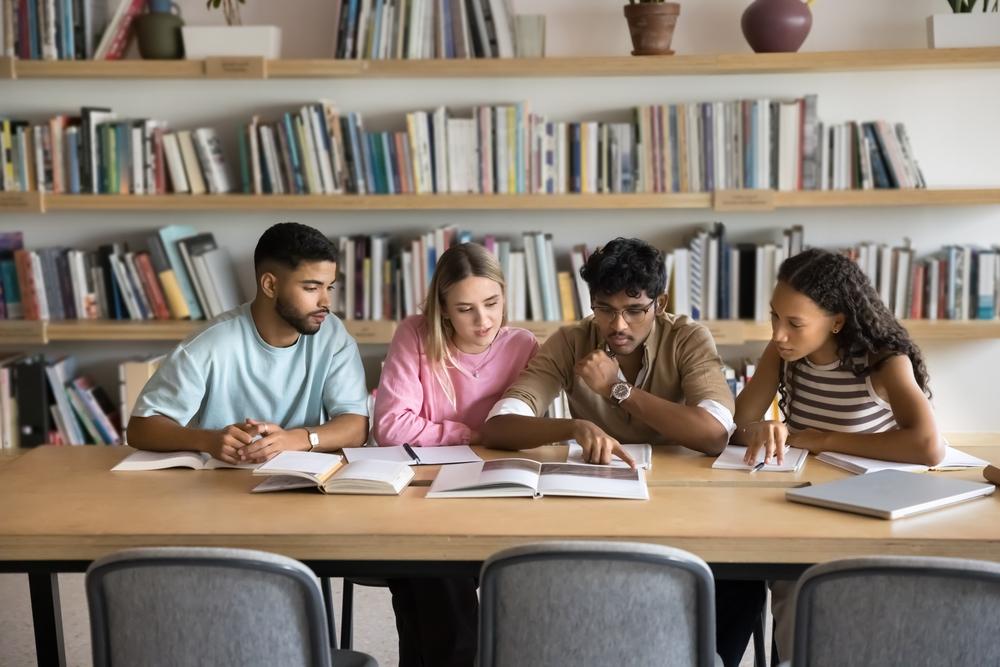
Many students score well on tests yet struggle when a problem looks unfamiliar. They know the facts, but they do not know where to start. This gap shows why problem solving matters as much as subject knowledge, and why teachers and parents pay close attention to it.
Problem solving is a skill, and students build skills through practice. Educational experiences give them that practice. Projects, group challenges, research tasks, and academic programmes push students to think, test ideas, and learn from the results. This article explains how that process works and which experiences help most.
Good programmes also give teenagers a taste of university life while they build these habits. For example, an Oxford AI summer school lets students tackle real technology questions alongside motivated peers and expert tutors. Students practise analysing data, testing ideas, and explaining their reasoning, which are core problem-solving habits.
What Does It Mean to Be a Good Problem Solver?
A good problem solver does more than find answers. This person defines the problem clearly, gathers information, weighs options, makes a decision, and checks the result. Each step needs a different mental tool, so students must practise the full cycle many times. Educational researchers often link this cycle to experiential learning, a model made popular by David Kolb. In it, learners act, reflect, form ideas, and try again.
The Core Skills Behind Problem Solving
Problem solving combines several linked skills. Students need to think clearly, imagine new options, communicate their ideas, and keep going when a task becomes difficult. When teachers support these skills together, students solve problems faster and with more confidence.
Critical Thinking and Analysis
Critical thinking helps students question information, spot weak arguments, and break large problems into smaller parts. Strong analytical skills turn confusion into a clear plan.
Creativity and Flexible Thinking
Creative thinking helps students find more than one path to a solution. When the first idea fails, flexible thinkers try another approach instead of giving up.
Why Textbooks Alone Fall Short
Textbook exercises usually have one correct answer and a clear method. Real problems are messy. They have missing information, competing goals, and no answer key. Students need hands-on learning to handle that uncertainty, because only practice teaches them how to move forward without a script.
Why Problem Solving Matters for University and Careers
Problem solving shapes success long after school ends. Universities expect independent thinkers, and employers look for people who can handle change. Students who build this skill early enter the next stage with a clear advantage.
Stronger University Readiness
University students receive open-ended essays, research projects, and group assignments. Nobody tells them exactly what to do. Students who have already practised planning, testing, and revising their own work adapt faster and show greater academic confidence.
Better Preparation for Future Careers
The World Economic Forum's Future of Jobs Report 2023 lists analytical thinking and creative thinking among the most important skills for workers. Technology also changes jobs quickly, so students must learn new tools and solve new problems throughout their lives.
How Educational Experiences Build Problem-Solving Skills
Strong educational experiences share a few features. They give students real tasks, honest feedback, and room to think for themselves. Each feature trains a different part of the problem-solving process.
Real Challenges Create Real Learning
When a task feels real, students care about the outcome. They ask better questions, search for useful information, and stay focused longer. For example, a student who designs a solution for a local community issue must research, plan, and defend each choice. That effort builds decision making far better than a worksheet does.
Mistakes and Feedback Build Resilience
Failure teaches when students get quick, useful feedback. A tutor who explains why an idea failed helps students adjust and try again. Over time, students stop fearing mistakes and start treating them as information. This resilience is one of the most valuable results of experiential learning.
Teamwork Shows Students New Ways to Think
In group projects, students meet different opinions and methods. They learn to explain their reasoning, listen carefully, and combine ideas. Teamwork also teaches negotiation, which matters when people disagree about the best solution.
Independence Builds Confidence
When students choose their own approach, they take ownership of the result. Success then feels earned, and that feeling fuels the next attempt. Independent work trains students to plan their time, manage tasks, and trust their own judgement.
Types of Educational Experiences That Work Best
Many experiences can build problem solvers, but the best ones involve active, open-ended work. The following options consistently combine challenge, feedback, and collaboration.
Project-Based and Inquiry-Based Learning
In project-based learning, students investigate a question over several weeks and present their findings. They plan, research, test, and improve. The long timeline teaches patience and planning, two habits every strong problem solver needs.
Summer Programmes and University-Style Courses
Summer programmes give students focused time to learn without exam pressure. A well-designed English summer course, for instance, asks students to debate topics, write persuasive arguments, and present ideas to international classmates. In the same way, an Oxford AI summer school introduces students to machine learning concepts and encourages them to question how algorithms make decisions. Both formats mix teaching with hands-on tasks, which helps students apply what they learn.
International and Cross-Cultural Settings
Studying with peers from other countries exposes students to different viewpoints. They must explain their ideas clearly and adapt when others see a problem differently. This experience strengthens communication and flexible thinking at the same time.
Competitions and Research Projects
Debates, science fairs, and coding challenges set clear goals and firm deadlines. Research projects go further by asking students to find their own questions. Both teach students how to organise evidence and defend a conclusion.
How to Choose the Right Experience
The right experience matches a student's interests and offers real challenge. A programme that only delivers lectures will not build problem-solving skills, even if the topic sounds exciting.
Questions Parents Should Ask
Before enrolling, parents can ask a few simple questions:
-
Do students complete hands-on tasks, or do they only listen to lectures?
-
Will tutors give regular, specific feedback?
-
Do students work in teams on open-ended problems?
-
Does the programme include time for reflection?
How Students Can Get More Out of Any Experience
Students should set a clear goal before they start and review their progress at the end of each week. Writing a short journal about the problems they solve helps them notice patterns and recognise growth. They should also ask for feedback often and try new approaches instead of repeating old ones.
Conclusion
Educational experiences turn problem solving from a vague idea into a daily habit. Real challenges, honest feedback, teamwork, and independence help students think clearly and act with confidence. Whether a student joins an Oxford AI summer school, enrols in an English summer course, or leads a project at school, the key is active participation. Parents and educators who support these experiences give students tools they will use for life. Start small, choose experiences with real challenge, and let students learn by doing.
Frequently Asked Questions
What are educational experiences?
Educational experiences are learning activities that go beyond lectures and textbooks. They include projects, workshops, trips, competitions, and programmes where students apply knowledge to real tasks.
How do students develop problem-solving skills?
Students develop these skills through practice. They face open-ended tasks, test ideas, receive feedback, and reflect on the results. Repeating this cycle builds confidence and clear thinking.
At what age should students start building problem-solving skills?
Children can start early with puzzles, simple projects, and curious questions. Teenagers benefit greatly from more complex challenges, such as research tasks and group projects, because these prepare them for university study.
Can a summer programme improve problem solving?
Yes, when it includes hands-on work, teamwork, and feedback. A well-planned English summer course or technology programme gives students time to practise these skills in a focused setting.
What is the difference between critical thinking and problem solving?
Critical thinking means analysing information and judging its quality. Problem solving uses critical thinking, together with creativity and decision making, to reach a workable solution.

 English
 Arabic
 Spanish
 Portuguese
 Deutsch
 Turkish
 Dutch
Dutch
 Italiano
 Russian
 Romaian
 Portuguese (Brazil)
 Greek
Greek
