


What Happens After a House Fire and How to Recover
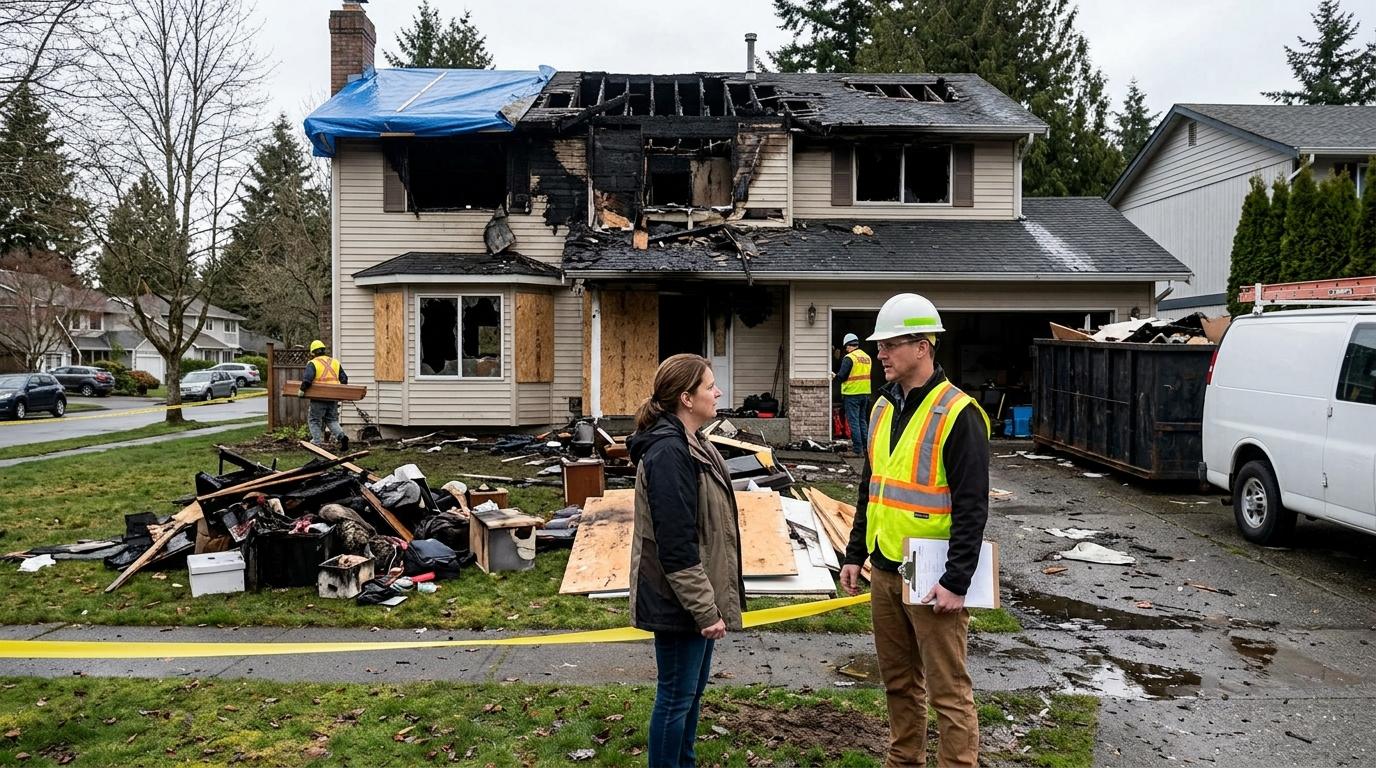
A house fire can change a home in minutes, but the damage does not always stop when the flames are gone. Smoke can spread well beyond the room where the fire started, while heat may affect building materials that look normal from the outside. Water used to put out the fire can create another layer of damage inside walls, ceilings, and floors. The first few days are therefore important because the decisions made during this stage can affect cleanup, repairs, and the condition of the property later.
Homeowners searching for fire damage restoration in kalispell usually need more than basic cleaning. A fire can leave behind soot, smoke odors, damaged materials, wet surfaces, and areas that are unsafe to occupy. The right response starts with making the property safe, documenting the damage, and understanding what needs to be cleaned or removed. A careful process can prevent small problems from becoming larger repair issues.
Is it safe to enter the house after a fire
The end of the fire does not automatically mean the building is safe. Heat can weaken ceilings, walls, framing, and other materials, while water can reach electrical components and create additional hazards. There may also be broken glass, exposed wiring, unstable surfaces, or areas that remain hot. Homeowners should follow instructions from emergency officials and other qualified professionals before entering parts of the property that may have been affected.
A quick look around the house is not enough to identify every problem. Damage can exist behind walls, beneath flooring, inside cabinets, or above ceilings. Smoke can also move through vents and small openings, reaching rooms that were not close to the flames. This is why the condition of the whole property matters, even when only one room appears heavily damaged.
Why smoke damage reaches rooms that did not burn
Smoke moves through a home based on air movement, openings, temperature changes, and the building layout. It can travel through hallways, ventilation systems, wall cavities, door gaps, and other pathways. As it cools, residue can settle on walls, ceilings, furniture, fixtures, and belongings. A bedroom on the other side of the house may therefore need attention even when there are no visible burn marks.
Smoke residue can also be difficult to judge by sight alone. Some surfaces may have a light film that is easy to overlook, while others may have heavier deposits that feel greasy or leave dark marks. Different materials respond differently to smoke exposure, so a cleaning method that works on one surface may damage another. Proper assessment helps determine which areas can be cleaned and which materials may need more extensive treatment.
Smoke odors can remain after the visible damage is gone
Odor is often one of the most frustrating problems after a fire because it can remain in materials that absorbed smoke. Fabrics, carpets, furniture, wood products, insulation, and other porous items can hold odors even after visible residue has been removed. Opening a window may improve the air temporarily, but it does not always solve the source of the smell.
Persistent odor can be a sign that smoke residue remains somewhere in the property. If the source is not addressed, the smell may return after the home is closed up again. Cleaning should therefore focus on affected materials rather than relying only on air fresheners or surface wiping. The condition of each material should guide whether it is cleaned, deodorized, restored, or replaced.
How firefighting water can create another problem
Water damage is common after a significant fire because firefighters may need large amounts of water to control the flames. That water can soak into flooring, drywall, insulation, cabinets, furniture, and structural materials. It can also move from one level of a building to another. Even when standing water is removed, moisture may remain trapped inside materials that are difficult to see.
The longer moisture remains, the greater the chance of additional deterioration. Wood may swell, drywall may lose strength, and some materials may become unsuitable for restoration. Damp enclosed areas can also create conditions that encourage microbial growth. The cleanup plan therefore needs to account for both fire-related damage and water that was introduced while extinguishing the fire.
Drying needs more than visible water removal
A floor or wall can look dry while still holding moisture beneath the surface. This is especially common with layered materials such as finished flooring over a subfloor or drywall around wall cavities. Moisture checks help identify areas that need further drying and reduce the risk of repairing over a wet surface.
Drying methods depend on the property and the materials involved. Air movement and dehumidification may be useful in appropriate conditions, but some situations require materials to be opened or removed so trapped moisture can escape. The goal is to bring affected areas to a condition where repairs can proceed without leaving an unresolved moisture problem behind.
What should you document before cleanup starts
Photographs and videos are valuable immediately after a fire because the condition of the property will change as soon as cleanup begins. Take pictures of each damaged room from several angles and include close views of walls, ceilings, floors, furniture, appliances, and personal belongings. Clear documentation can help show the full extent of the loss and provide a useful record throughout the restoration process.
Written notes are helpful too. Record the date of the fire, the areas that were affected, items that were moved, and any visible water or smoke damage. Keep receipts and records related to temporary expenses and restoration work. A simple organized file can make it much easier to track what happened and what has already been addressed.
Make an inventory of damaged belongings
A detailed inventory can prevent important items from being overlooked during cleanup. Write down major belongings and note their condition, approximate location, and whether they appear damaged by fire, smoke, or water. Photos can be matched with the written record so that items are easier to identify later.
Avoid throwing away damaged possessions simply because they look unusable. Some items may be recoverable, while others may need to remain available for documentation. Decisions about disposal are easier to make after the condition of the property and belongings has been properly reviewed.
Which parts of the home need special attention
Certain materials can require more careful handling after a fire because their condition may not be obvious. Drywall can weaken after heat or water exposure, insulation can hold contamination and moisture, and wood can absorb smoke or water depending on its condition. Cabinets, flooring, fabrics, and other interior materials may also need separate treatment.
Electrical systems deserve particular caution. Fire, heat, and water can damage wires, outlets, switches, electrical panels, fixtures, and appliances. A component that looks intact may still need testing or replacement. Homeowners should avoid using affected electrical equipment until the appropriate inspection has been completed.
Why rushing into repairs can cause more problems
After a stressful loss, it is natural to want the home restored immediately. However, starting demolition or cosmetic repairs before the full condition is understood can create extra work. A wall may be opened unnecessarily, a salvageable item may be thrown away, or a damp area may be covered before it has been properly dried.
The repair sequence should follow the actual condition of the property. Safety issues come first, followed by assessment, water control, smoke and soot cleanup, removal of unsalvageable materials, and then rebuilding or cosmetic repairs. This helps make sure that new materials are not installed over problems that have not yet been resolved.
When professional help becomes especially useful
Some fires cause limited damage that can be handled through a small number of repairs. Larger incidents can affect several rooms and create a combination of smoke, soot, heat, and water damage. Professional restoration becomes particularly useful when the damage extends beyond one visible area, when there is significant smoke throughout the home, or when moisture has entered building materials.
A proper restoration process should be based on the condition of the property rather than a fixed checklist. The work may involve assessment, cleanup, drying, material removal, odor treatment, and preparation for repairs. The exact steps depend on what happened, how far the damage spread, and which materials can realistically be restored.
Getting the home back into usable condition
The most important part of recovery is dealing with the full range of damage rather than focusing only on what looks worst. Smoke can remain in distant rooms, water can sit inside hidden spaces, and damaged materials may continue to cause problems if they are left untreated. A complete assessment gives homeowners a clearer path from emergency cleanup to actual repair.
Keeping records throughout the process also makes the project easier to manage. Photos, inventories, moisture information, receipts, and repair documentation create a clear history of the work. They can be useful when communicating with insurers, contractors, or other professionals who become involved as the home is restored.
Final Thoughts
Recovering after a house fire requires patience and careful decisions. Safety should come before cleanup, and visible damage should not be mistaken for the full extent of the problem. Smoke, soot, water, heat, and damaged materials can affect several areas at once, so the home should be assessed as a whole before major repairs begin.
The effects of soot, which is a fine material produced during incomplete combustion, help explain why fire cleanup can involve much more than removing burned objects. Smoke residue can settle on many surfaces and become difficult to remove if it is left untreated. Understanding this part of the damage helps homeowners make better decisions about cleaning, restoration, and the repairs that follow.

 Arabic
 French
 Spanish
 Portuguese
 Deutsch
 Turkish
 Dutch
Dutch
 Italiano
 Russian
 Romaian
 Portuguese (Brazil)
 Greek
Greek
