


Design Considerations for Wide-Profile Sunglasses
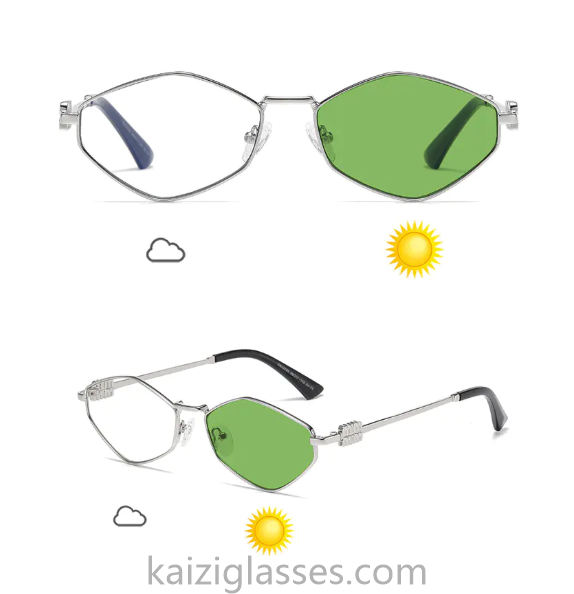
Frame shape plays an important role in how sunglasses look, fit, and appeal to different consumer groups. For brands developing Wide Frame Square Sunglasses, broad proportions and defined geometric lines create a recognizable design direction that can be adapted through different materials, colors, lens shapes, and finishing details. Understanding these elements can help wholesalers and retailers build collections that balance fashion appeal with practical wearing considerations.
Square frames are typically characterized by relatively straight lines and structured corners. When combined with a wider front, the silhouette can create a stronger visual presence than narrower designs. Depending on frame thickness and corner treatment, the same basic shape can appear minimalist, classic, bold, or fashion-oriented. This versatility makes square designs useful for collections serving different age groups and style preferences.
Frame width should be selected with attention to fit and balance. The front structure needs to work with the bridge dimensions and temple length to provide a stable wearing experience. A frame that is excessively wide may move during use, while a narrow design may create pressure or alter the intended appearance. Manufacturers should therefore consider dimensions and ergonomics together during product development.
Corner treatment can significantly change the character of a square silhouette. Sharp corners produce a more angular appearance, while softened edges create a gentler interpretation. Adjustments to lens height, front thickness, and the relationship between the upper and lower edges can create additional variations. These design choices allow brands to develop multiple models without losing the central identity of the collection.
Material selection influences both the appearance and construction of wide frames. Synthetic materials can support diverse colors and shapes, while acetate-style materials may offer polished surfaces, layered patterns, and visual depth. Metal components can introduce a more refined structural element. Mixed-material designs can create contrast between the frame front and temples, giving manufacturers further opportunities for differentiation.
Color development is particularly important because wider frames provide a larger visible surface. Black, brown, gray, and tortoiseshell-inspired patterns can suit versatile collections, while transparent materials and brighter colors may appeal to consumers seeking more expressive styles. Brands can also coordinate frame colors with lens shades to create either a unified appearance or a deliberate contrast.
Lens proportions should complement the frame geometry. Larger lenses can reinforce the visual impact of a broad square silhouette, while smaller lens heights may produce a more restrained look. Lens tint and surface treatment provide further options for different collection themes. For outdoor sunglasses, technical characteristics such as UV protection should be verified independently of lens color and visual appearance.
Comfort remains important even for products positioned primarily as fashion accessories. Overall weight, bridge dimensions, temple length, and the distribution of pressure across the frame can affect long-term wearability. Manufacturers may adjust material thickness or component construction to improve balance while maintaining the intended design. Evaluating physical samples can help buyers identify issues before production is finalized.
Manufacturing precision is especially visible in geometric frames. Differences in symmetry, lens alignment, hinge installation, or surface finishing can become apparent when several units are displayed together. Inspection procedures should therefore address both functional assembly and cosmetic quality. Consistent specifications and approved samples can provide useful references for maintaining uniformity across production batches.
Private-label customization allows brands to adapt square frames to their market positioning. Buyers may request specific colors, logo placement, temple details, lens options, packaging, or model combinations. A coherent collection can then include several variations built around the same general shape. Clear communication about materials, dimensions, artwork, and inspection requirements helps coordinate development with manufacturing.
Retailers can use a range of square-frame variations to address different consumer preferences. Neutral designs may serve everyday wear, while larger silhouettes and distinctive finishes can support fashion-focused collections. By combining different frame widths, colors, and lens treatments, businesses can create assortment variety without relying on unrelated design directions.
Packaging should also be considered when preparing products for distribution. Sunglasses need protection against scratches, pressure, and movement during storage and transportation. Branded packaging can reinforce the collection's visual identity, while appropriate protective materials help maintain product condition during shipping.
As eyewear continues to combine personal expression with practical design, Wide Frame Square Sunglasses offer brands a flexible foundation for developing recognizable sunwear collections. Attention to proportions, materials, lens integration, comfort, quality control, and customization can help businesses create products suited to different retail strategies and international markets.
For additional sunglasses styles and collection options, businesses can explore KAIZI's product range at https://www.kaiziglasses.com/product/sunglasses/, supporting wholesale sourcing and private-label eyewear development for international buyers.

 English
 Arabic
 French
 Spanish
 Portuguese
 Deutsch
 Turkish
 Italiano
 Russian
 Romaian
 Portuguese (Brazil)
 Greek
