


What to Know About Different Options for Replacing Missing Teeth
Choosing the right Dentist St Kilda is an important first step if you have one or more missing teeth and are considering replacement options. Missing teeth can affect chewing, speech, appearance, confidence, and the way your remaining teeth function. Fortunately, modern dentistry offers several ways to replace missing teeth, including dental implants, bridges, and dentures. Understanding how these options differ can help you have a more informed discussion with your dental professional and choose a solution that suits your oral health and lifestyle.
At Chapel Gate Dental, dental treatment is tailored to individual patient needs. The practice provides dental implant and denture services alongside general and preventive dental care, allowing patients to discuss different approaches to replacing missing teeth.
Why Replace a Missing Tooth?
A missing tooth creates a gap that can affect more than your smile. Depending on its location, it may make chewing certain foods more difficult or influence the way your teeth come together.
Over time, neighbouring teeth may move into the empty space. This can change your bite and potentially make some areas more difficult to clean. Missing teeth can also affect speech and facial appearance, particularly when several teeth are absent.
Replacing a missing tooth can help restore function and appearance while providing support for a more balanced bite.
Dental Implants
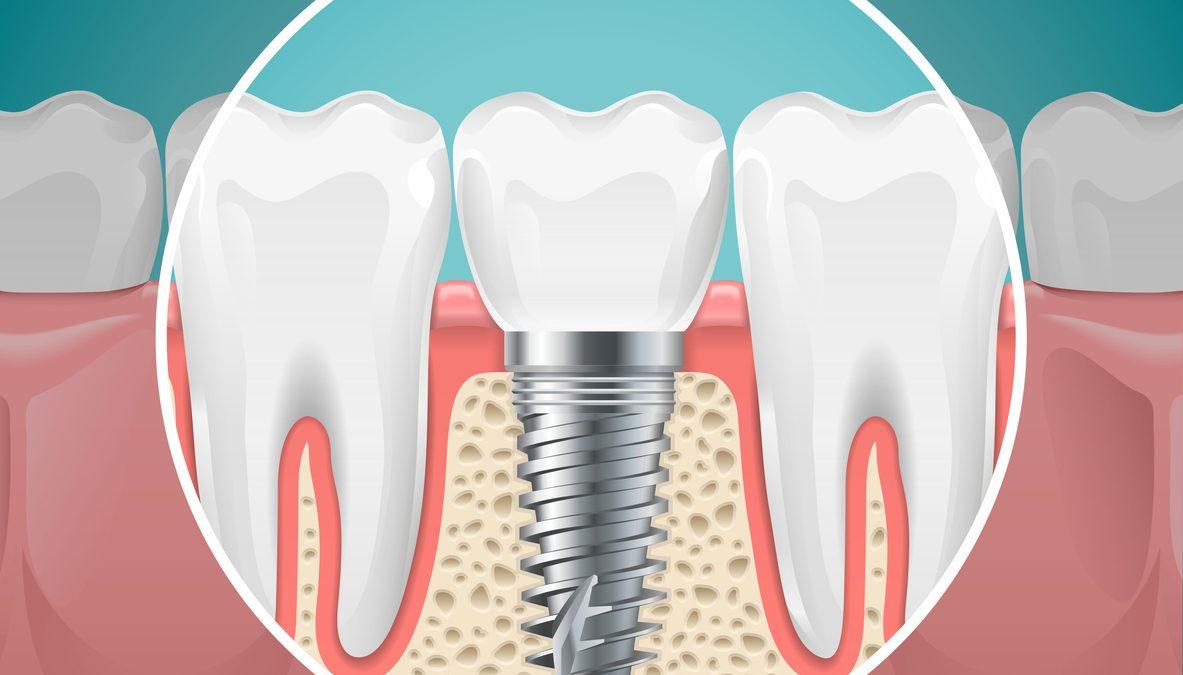
Dental implants are one option for replacing missing teeth. An implant is placed into the jawbone and acts as a replacement for the root of the missing tooth. Once the implant has integrated with the surrounding bone, it can support a crown, bridge, or denture.
For a single missing tooth, an implant-supported crown can provide a fixed replacement without requiring the neighbouring teeth to act as supports.
If you are considering dental implants in St Kilda, your dentist will first assess your teeth, gums, jawbone, and overall oral health to determine whether this approach is suitable.
Potential Benefits of Dental Implants
Dental implants may offer:
-
A fixed tooth replacement
-
Stable support during chewing
-
A natural-looking appearance
-
Replacement of the tooth root as well as the visible tooth
-
Support for certain bridges or dentures
However, implants involve surgical treatment and a healing period. They are not automatically suitable for every patient.
Dental Bridges
A dental bridge is another fixed option for replacing a missing tooth or several missing teeth. A bridge uses artificial teeth to fill the gap and is supported by suitable neighbouring teeth or other structures.
Bridges can restore chewing function and improve the appearance of a smile. They may also provide a fixed alternative to a removable denture.
The condition of the teeth supporting the bridge is an important consideration. Your dentist will assess these teeth and your bite before recommending this treatment.
A bridge may be worth discussing if you want a fixed replacement but dental implants are not appropriate for your circumstances.
Dentures
Dentures are removable appliances designed to replace missing teeth. They can be used to replace several teeth or a complete set of teeth.
Depending on the type of tooth loss, you may be offered:
-
Partial dentures
-
Full dentures
-
Implant-supported dentures
Dentures can improve chewing, speech, and appearance. Because they are removable, they can also be taken out for cleaning and maintenance.
A denture may require adjustments over time to maintain an appropriate fit as the shape of your mouth changes.
Implant-Supported Dentures
For patients missing several or all teeth, implants can sometimes be used to provide additional support for a denture.
Instead of relying entirely on the gums for stability, the denture is attached to strategically placed implants. This can provide additional retention and stability.
Whether this is suitable depends on factors such as the amount of available bone, gum health, number of implants required, and overall treatment goals.
A detailed assessment is important before deciding whether an implant-supported denture is appropriate.
What Determines the Right Option?
There is no single replacement method that is best for everyone. Your dentist will consider several factors before recommending a treatment.
Number of Missing Teeth
Replacing one tooth is different from replacing several or all teeth. A single missing tooth may be treated with an implant and crown or a bridge, while multiple missing teeth may require a bridge, partial denture, implants, or a combination.
Location of the Missing Tooth
Front teeth are highly visible, so appearance may be a major consideration. Back teeth may have a greater impact on chewing.
Gum Health
Healthy gums are important for supporting natural teeth and dental restorations. Existing gum disease may need to be managed before certain replacement treatments are considered.
Jawbone Condition
Jawbone volume and density are particularly relevant when considering implants. Imaging may be required to assess the available bone and plan treatment.
Overall Health
Your medical history, medications, healing ability, and lifestyle factors can influence treatment planning. Tell your dentist about relevant health conditions and medications before treatment.
Consider the Treatment Timeline
Treatment times vary depending on the option chosen and your individual circumstances.
A bridge or denture may be completed over a relatively shorter period, while dental implants generally involve several stages. Implant treatment can include assessment, implant placement, a healing period, and placement of the final restoration.
If additional procedures are required before implant placement, the overall timeline may be longer.
Ask your dentist how long each stage is expected to take so you can plan accordingly.
Think About Comfort and Daily Use
Your replacement tooth should work comfortably as part of your everyday life.
Consider whether you prefer:
-
A fixed or removable solution
-
Maximum stability during eating
-
Easier removal for cleaning
-
A particular appearance
-
A treatment requiring fewer or more appointments
Dental implants and bridges are fixed, whereas conventional dentures can be removed. Each option has different maintenance requirements and may feel different when eating or speaking.
Your Dentist St Kilda can explain what daily use may feel like with each option.
Consider Appearance
For many patients, replacing a missing tooth is partly about restoring confidence in their smile.
The appearance of the final restoration can depend on its colour, shape, size, position, and relationship with neighbouring teeth. This can be particularly important when replacing a front tooth.
Before treatment, discuss your aesthetic expectations with your dental professional. A realistic treatment plan should consider both appearance and function.
Understand the Costs
Cost is an important part of treatment planning, but comparing only the initial price may not give you the full picture.
The overall cost can depend on:
-
Number of teeth being replaced
-
Type of treatment
-
Materials used
-
Diagnostic imaging
-
Additional procedures
-
Complexity of the case
-
Follow-up appointments
-
Long-term maintenance
If you are considering dental implants in St Kilda, ask for a clear treatment plan and cost estimate. Understanding what is included can help you compare options more realistically.
Think About Long-Term Maintenance
Every replacement option requires ongoing care.
Dental implants should be brushed and cleaned around carefully, while bridges require attention around the supporting teeth and underneath the restoration. Dentures need regular cleaning and appropriate storage when removed.
Your remaining natural teeth also need regular brushing, interdental cleaning, and dental examinations.
Good maintenance can help protect your oral health and the longevity of your dental treatment.
What Happens During the Initial Consultation?
Your first appointment is an opportunity to understand your options before making a decision.
Your dentist may:
-
Review your dental and medical history.
-
Examine your teeth and gums.
-
Assess your bite.
-
Check the area where the tooth is missing.
-
Recommend X-rays or other imaging when appropriate.
-
Discuss replacement options.
-
Explain expected treatment stages and costs.
A thorough assessment helps ensure that the recommended solution is based on your individual circumstances rather than simply choosing a standard treatment.
Questions to Ask Your Dentist
Before choosing a replacement option, consider asking:
-
What are my available treatment options?
-
Can my missing tooth be replaced with an implant?
-
Are my gums healthy enough for treatment?
-
Do I have enough bone for an implant?
-
Will I need additional procedures?
-
How long will treatment take?
-
What will the final restoration look like?
-
How should I care for it?
-
What are the estimated costs?
-
What are the risks and alternatives?
These questions can help you understand the advantages and limitations of each approach.
Why Professional Assessment Matters
Online information can help you learn about dental treatments, but it cannot determine which option is right for you. Two people with the same number of missing teeth may have completely different oral health conditions and treatment requirements.
A professional assessment allows your dentist to evaluate the health of your gums, surrounding teeth, jawbone, bite, and overall oral condition.
If you are considering dental implants in St Kilda, personalised planning is especially important because implant treatment involves several factors that need to be assessed before treatment begins.
FAQs
1. What is the best option for replacing a missing tooth?
There is no universal answer. Dental implants, bridges, and dentures may all be suitable depending on your oral health, the number and location of missing teeth, jawbone condition, lifestyle, and preferences.
2. Are dental implants suitable for everyone?
No. Your dentist will assess factors such as gum health, jawbone condition, overall health, medications, and other individual circumstances before recommending implants.
3. How long does replacing a missing tooth take?
The timeframe depends on the treatment selected. Some options can be completed relatively quickly, while implant treatment generally involves multiple stages and a healing period.
4. Are dentures difficult to maintain?
Dentures require regular cleaning and care. They may also require adjustments over time to maintain an appropriate fit. Your dental professional can provide specific instructions based on your type of denture.
Final Thoughts
Replacing a missing tooth is an important decision that should take both your immediate needs and long-term oral health into account. Dental implants, bridges, and dentures each offer different benefits and considerations.
Whether you are exploring dental implants in St Kilda or another tooth replacement option, a consultation with a Dentist St Kilda can help you understand what is suitable for your individual circumstances. At Chapel Gate Dental, patients can discuss their treatment options and receive personalised guidance to help restore the function and appearance of their smile.

 English
 Arabic
 Spanish
 Portuguese
 Deutsch
 Turkish
 Dutch
Dutch
 Italiano
 Russian
 Romaian
 Portuguese (Brazil)
 Greek
Greek
