


Finding the Right Treatment for Different Types of Warts
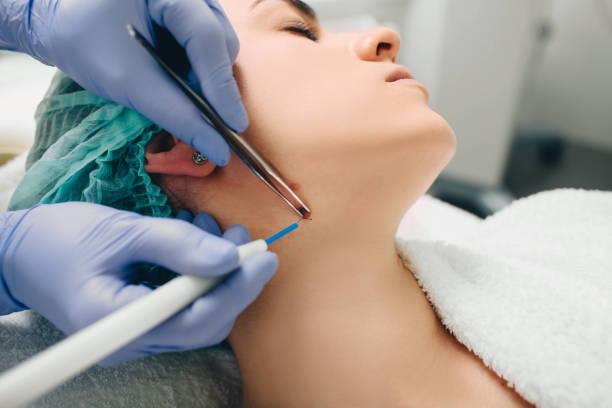
Warts are common skin growths that can develop on the hands, feet, face, and other parts of the body. They are usually caused by certain types of human papillomavirus (HPV) and can vary in appearance, thickness, and location. While some warts disappear naturally, others may persist, spread, or cause discomfort during daily activities. Choosing the right Wart removal in Riyadh (سعر إزالة الثالول بالليزر) treatment begins with identifying the type of wart and understanding which options are suitable for the affected area. Professional assessment helps patients explore appropriate treatments while reducing the risk of unnecessary skin irritation, scarring, or delayed diagnosis.
Understanding the Different Types of Warts
Warts do not all look alike, and their characteristics can influence the recommended treatment. Identifying the type and location of a growth is an important first step before starting any removal procedure.
Common Warts
Common warts are typically firm, raised growths with a rough or grainy surface. They often appear on the fingers, hands, and around the nails. Some may contain tiny dark dots, which are small blood vessels. Treatment may involve topical salicylic acid for suitable cases, cryotherapy, or other professional procedures when the wart persists.
Plantar Warts
Plantar warts develop on the soles of the feet and may grow inward because of pressure from standing or walking. They can cause tenderness and may be mistaken for corns or calluses. Treatment depends on the depth, size, and discomfort associated with the wart. A healthcare professional can recommend suitable options and provide guidance for protecting the surrounding skin.
Flat Warts
Flat warts are usually small, smooth growths that may appear in clusters. They can develop on the face, hands, arms, or legs. Because facial skin is sensitive, treatment requires careful selection to reduce the risk of irritation or pigment changes. Patients should avoid using strong wart-removal products on the face without professional advice.
Filiform Warts
Filiform warts have narrow, finger-like projections and often occur around the nose, mouth, eyelids, or neck. Their location can make self-treatment particularly risky. A clinician can assess the growth and determine whether a carefully selected removal procedure is appropriate.
Periungual Warts
Periungual warts appear around or beneath the fingernails and toenails. They can be challenging to treat because the surrounding tissue is delicate, and aggressive treatment may damage the nail area. Professional assessment helps determine an approach that balances wart removal with protection of nearby skin and nail structures.
How Professionals Choose the Right Treatment
The most suitable method depends on the wart's type, size, location, duration, and response to previous treatment. The patient's age, general health, skin sensitivity, and healing history may also influence the decision. Professional Wart removal in Riyadh allows these factors to be considered before treatment begins.
Cryotherapy
Cryotherapy uses liquid nitrogen to freeze wart tissue. The area may become sore, red, or blistered before healing. Several sessions may be needed, particularly for persistent or thick warts. The clinician will explain the expected response and whether additional treatment is appropriate.
Topical Treatments
Salicylic acid products gradually break down thickened skin and may be suitable for selected common or plantar warts. They generally require consistent use and careful protection of the surrounding skin. They should not be applied to facial or genital lesions, suspicious growths, or damaged skin without professional guidance.
Laser Treatment
Laser treatment may be considered for certain persistent warts that have not responded to other approaches. It targets the affected tissue, but suitability varies by wart type and location. Possible side effects include temporary discomfort, scarring, and changes in skin pigmentation. Laser treatment does not guarantee that a wart will never return.
Electrosurgery and Curettage
For selected cases, a clinician may recommend electrosurgery, curettage, or a combination of these methods. Electrosurgery uses electrical energy to destroy wart tissue, while curettage involves removing the affected tissue with a medical instrument. These procedures may require local anaesthesia and carry risks such as bleeding, infection, scarring, and recurrence.
Why Professional Diagnosis Is Important
Some skin conditions can resemble warts, including corns, calluses, skin tags, and other lesions. Treating a growth without confirming what it is may cause injury or delay appropriate care. A healthcare professional can examine the area and decide whether additional evaluation is needed.
Seek assessment if a growth changes rapidly, bleeds, becomes unusually dark, causes persistent pain, or fails to heal. Warts near the eyes, on the face, or around the genital area also warrant professional guidance before treatment. People with diabetes, poor circulation, reduced sensation, or weakened immunity should be particularly cautious about self-treatment.
Preparing for Treatment and Supporting Recovery
Before an appointment, explain how long the wart has been present and whether you have tried any home or pharmacy treatments. Share relevant medical conditions, allergies, and medicines with your clinician. Avoid cutting, burning, squeezing, or puncturing the growth.
After treatment, follow the recommended wound-care instructions, keep the area clean, and avoid picking blisters or scabs. Temporary redness, soreness, blistering, or crusting may occur depending on the procedure. Contact a healthcare professional if pain worsens, redness spreads, pus develops, or healing appears delayed. Because the virus may remain in surrounding skin, recurrence or the appearance of new warts is possible.
Book an Appointment at Royal Clinic Saudia
Finding an appropriate treatment starts with understanding the type of wart and the needs of your skin. Royal Clinic Saudia ( عيادات رويال كلينك ) can help you arrange a professional assessment and discuss suitable options based on your concerns and medical history. If you are considering Wart removal in Riyadh, a consultation can help you understand the treatment process, expected recovery, possible risks, and aftercare recommendations before making a decision.

 English
 Arabic
 French
 Spanish
 Portuguese
 Deutsch
 Turkish
 Dutch
Dutch
 Italiano
 Russian
 Romaian
 Greek
Greek
