


Reliable Valve Solutions for Specialized Applications
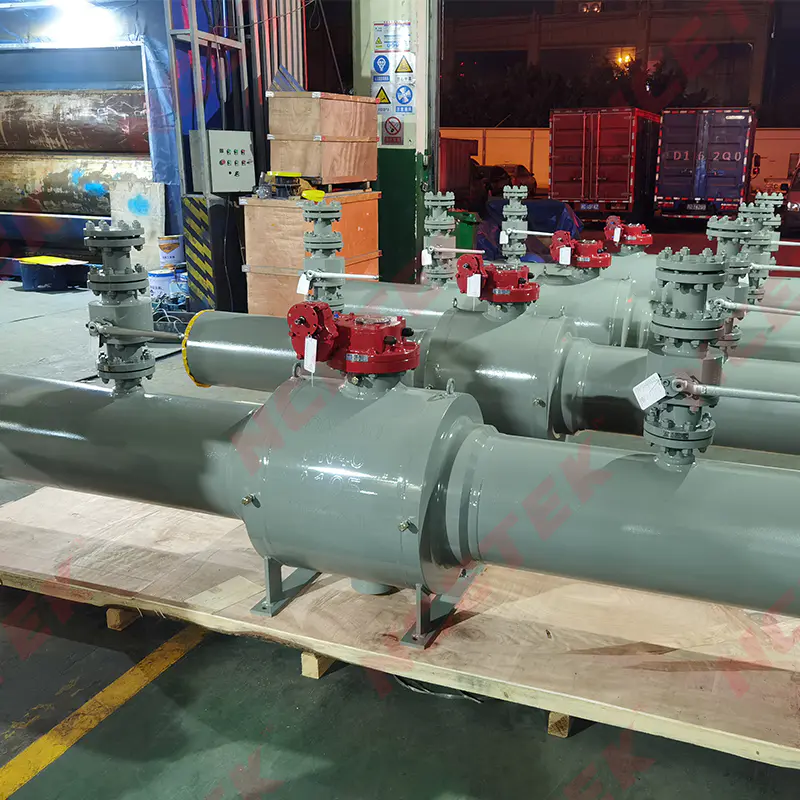
Industrial pipeline operators require isolation equipment that delivers dependable sealing, predictable operation, and convenient maintenance. When evaluating a Rising Stem Ball Valve Manufacturer, buyers should examine the operating mechanism, sealing structure, material options, and compatibility with the intended pipeline. Rising stem configurations may provide a visible indication of operating position, depending on the design, helping personnel monitor valve status during operation. However, the exact stem movement and operating characteristics vary by product, so technical confirmation is important before procurement.
Ball valves are commonly used in industrial systems because their quarter-turn mechanism allows rapid opening and closing. A ball with a central passage rotates to align with the pipeline or block the flow. In a rising stem configuration, the stem arrangement differs from conventional fixed-height stem designs. Depending on the mechanism, the stem may move axially as the valve operates, providing a useful indication of its position. Buyers should confirm the actual design and ensure that the movement requirements are compatible with available installation space.
Material selection should reflect the operating environment. Carbon steel may be suitable for general industrial services where strength and cost efficiency are priorities. Stainless steel can be considered for applications requiring greater corrosion resistance, while alloy steel may be appropriate for specific mechanical or temperature requirements. The selected grade should match the process medium, operating pressure, temperature range, and applicable standards. Providing accurate service information helps manufacturers recommend materials that suit the actual conditions instead of relying on generic specifications.
The sealing arrangement is another essential consideration. Ball valves may use soft seats or metal seats, depending on the application and design. Soft-seated structures can provide effective shut-off in compatible services, while metal-seated configurations may be considered for certain high-temperature or abrasive conditions. The appropriate choice depends on media properties, operating temperature, pressure, and the required leakage criteria. Buyers should confirm these details before ordering to ensure the valve is designed for the intended duty.
Manufacturing accuracy directly affects operating performance. The ball, stem, body, and seats must be machined and assembled to appropriate tolerances. Poor alignment or inconsistent surface finishing can increase operating torque, affect sealing contact, or contribute to premature wear. A reliable production process should include controlled machining, dimensional inspection, assembly verification, and suitable functional testing. These measures help ensure that the finished product meets the approved technical specification and performs consistently in service.
Actuation requirements should be reviewed early in the selection process. Manual operation may be appropriate for accessible pipeline locations with moderate operating demands. Pneumatic or electric actuators can support remote operation, automated process control, and integration with plant monitoring systems. The actuator must be compatible with the valve's operating torque and mechanism. Available power, control signals, environmental protection, and emergency operating requirements should also be considered when choosing the final configuration.
Installation conditions can affect the selection of stem and actuator arrangements. Valves located in confined spaces or near other equipment may require additional clearance for movement and maintenance. Engineers should review the overall dimensions, operating travel, connection arrangement, and access to serviceable components before installation. Where access is restricted, discussing the installation layout with the manufacturer can help prevent interference with nearby structures and reduce modification costs.
Quality verification is particularly important for valves used in critical isolation systems. Depending on the applicable standard and purchase specification, inspection may include material verification, dimensional checks, shell pressure testing, seat leakage testing, and operational checks. Buyers should confirm the required standards, acceptance criteria, and inspection documents before production begins. Clear requirements help ensure that the delivered equipment matches the project's technical and quality expectations.
Industrial applications may include petrochemical facilities, energy systems, process plants, and general pipeline networks. Each installation presents different requirements for pressure, temperature, media compatibility, operating frequency, and maintenance access. Selecting equipment according to the full operating environment helps reduce the risk of an unsuitable configuration and supports long-term reliability.
For industrial buyers, successful procurement depends on clear technical communication, consistent manufacturing, and appropriate testing. Zhejiang Naishi Valve Co., Ltd. provides industrial valve solutions for different pipeline requirements, with product information available at https://www.ncevalve.com/product/ . Working with an experienced Rising Stem Ball Valve Manufacturer helps buyers evaluate operating mechanisms, materials, sealing requirements, and installation conditions before confirming an order.

 English
 Arabic
 French
 Spanish
 Portuguese
 Deutsch
 Turkish
 Dutch
Dutch
 Italiano
 Russian
 Portuguese (Brazil)
 Greek
Greek
