


Can an Auto Folder Gluer Machine Reduce Manual Work in Carton Manufacturing
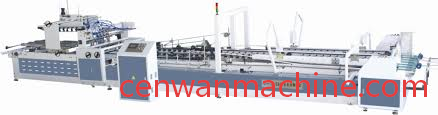
How Does an Auto Folder Gluer Machine Improve Packaging Production?
Packaging manufacturers often face changing order volumes, different carton designs, and strict requirements for delivery schedules. An Auto Folder Gluer Machine can help organize the folding and gluing stage by combining several operations into a coordinated production process. For packaging companies exploring automation, cenwanmachine offers machinery options designed for carton and corrugated box manufacturing. How can an automated folding and gluing system support a smoother workflow while maintaining dependable packaging quality?
Streamlining the Carton Production Process
Traditional carton folding and gluing can involve repeated manual handling, especially when production lines rely heavily on separate workstations. Workers may need to position cardboard blanks, guide folded sections, apply adhesive, and check finished cartons. These activities require coordination, and small differences in handling can affect alignment, bonding, and the final shape of each box.
An automated system organizes these tasks into connected stages. Feeding equipment moves cardboard blanks into the production line, guiding components help maintain their position, and folding sections shape the material according to the carton design. The gluing unit applies adhesive to designated areas before the finished cartons move toward collection or stacking. When these stages operate in coordination, manufacturers can reduce unnecessary transfers between workstations and maintain a more organized production flow.
Automation also helps production teams allocate their time according to operational priorities. Instead of concentrating on repetitive handling throughout the entire process, operators can monitor machine performance, inspect samples, replenish materials, and respond to production changes. The actual staffing requirements depend on the machine configuration, carton specifications, and factory workflow, but reducing repetitive manual tasks can support more orderly daily operations.
Maintaining Folding Accuracy and Gluing Quality
Carton quality depends on several connected factors, including board condition, crease accuracy, folding alignment, adhesive placement, and bonding time. If a blank enters the folding section at an incorrect angle, the finished carton may have uneven edges or a misaligned joint. Inconsistent adhesive application can also cause weak seams, visible glue marks, or cartons that fail to remain securely closed during handling.
A properly configured folder gluer uses feeding guides, adjustable components, and controlled movement to keep cardboard travelling along the intended path. Accurate positioning allows folding sections to follow the creases established during earlier converting processes. Meanwhile, the gluing system must apply the appropriate amount of adhesive in the correct location, taking the board surface and carton structure into account.
Regular inspection remains essential even when production is automated. Operators should check sample cartons, examine bonded seams, and confirm that folding lines match the approved packaging design. Machine settings may require adjustment when the board grade, thickness, dimensions, or carton structure changes. Combining appropriate equipment settings with routine quality checks helps manufacturers maintain consistent output throughout a production run.
Handling Different Carton Materials and Designs
Packaging factories rarely work with only one carton format. Their orders may include shipping boxes, retail packaging, protective containers, and specially designed cartons for particular products. Corrugated board is widely used where packaging needs structural support during storage and transportation, while other paperboard formats serve applications that prioritize appearance, compact construction, or product presentation.
Machine selection should reflect these differences. Board thickness, flute structure, blank dimensions, folding patterns, and adhesive requirements all influence the equipment configuration. A machine designed for a particular carton range may not be suitable for every packaging format without adjustments or additional components. Manufacturers should therefore confirm the intended material range and box styles before choosing a system.
Cenwan Machinery provides folder gluer options for corrugated boxes, cardboard cartons, and selected specialty packaging formats. Its product range includes configurations for different folding requirements, with customization available for certain applications. These options allow packaging manufacturers to evaluate equipment according to their actual production needs rather than selecting a machine based on speed specifications alone. For corrugated box operations, compatibility with the board grades and carton structures used in daily production deserves particular attention.
Improving Workflow Flexibility and Production Planning
Packaging orders may change from one shift to another. A factory could produce a standard shipping carton in the morning and switch to a different box size or folding style later in the day. When adjustments take considerable time, changeovers can interrupt production planning and reduce the time available for manufacturing.
Adjustable guides, accessible setup points, and suitable control systems can make these transitions easier to manage. Certain automated models also provide servo-driven adjustment functions that help operators configure the machine for a new order. The available functions vary by model, so manufacturers should review the technical specifications and ask whether the proposed configuration supports their carton designs and changeover requirements.
Production planning should also consider the equipment before and after the folder gluer. Feeding consistency, material preparation, stacking capacity, and downstream packing arrangements all influence the overall line performance. A machine operating at a high rated speed cannot deliver the expected production flow if cardboard arrives irregularly or finished cartons accumulate at the collection point. Reviewing the complete workflow helps factories identify the equipment configuration that fits their working conditions.
Selecting Equipment for Long-Term Production Needs
Before investing in packaging machinery, manufacturers should assess their regular order types, expected output, available floor space, operator experience, and maintenance arrangements. They should also consider the cost of adhesive, consumable parts, energy use, and production interruptions. These factors provide a practical basis for evaluating equipment suitability and estimating operating expenses.
Supplier communication is another important part of the selection process. Clear discussions about board specifications, carton samples, production targets, installation arrangements, operator training, and technical support can help prevent mismatched expectations. When possible, providing sample carton layouts and material information allows the manufacturer to assess whether a proposed machine configuration matches the intended application.
An automated folding and gluing system can contribute to a more coordinated packaging process when its capabilities match the factory's materials, carton designs, and production schedule. For manufacturers working with corrugated packaging, Cenwan Machinery offers product information and equipment options through its official website. Explore the Auto Folder Gluer Machine range and visit https://www.cenwanmachine.com to review corrugated box solutions, compare available configurations, and discuss which machine arrangement may suit your packaging production requirements.

 English
 Arabic
 French
 Spanish
 Portuguese
 Deutsch
 Turkish
 Dutch
Dutch
 Italiano
 Russian
 Romaian
 Portuguese (Brazil)
