


Botox and Facial Expressions: What to Expect
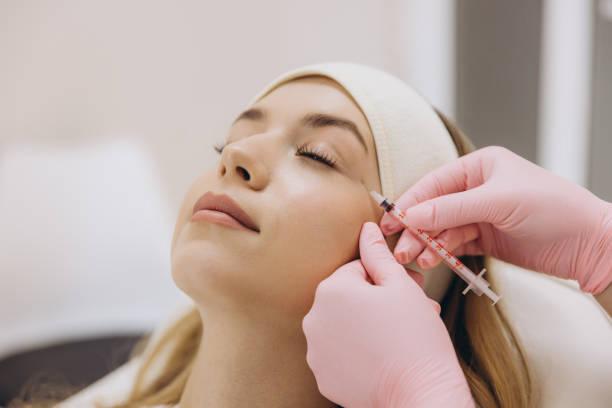
Understanding Botox and Its Effect on Facial Expressions
Facial expressions are an essential part of communication, helping us convey happiness, surprise, concern, and many other emotions. However, repeated facial movements can gradually contribute to the appearance of fine lines and wrinkles. Botox is a popular cosmetic treatment designed to soften these lines while helping individuals maintain a refreshed and natural-looking appearance. Understanding how the treatment works can help you make an informed decision about your aesthetic goals.
When exploring Botox Injections in Riyadh, it is important to understand that successful treatment involves more than simply reducing wrinkles. A personalized approach focuses on maintaining natural facial movement while softening the appearance of expression lines. Consulting the best botox specialist riyadh can help you understand the available options, expected outcomes, and the importance of appropriate treatment planning for your facial features.
How Botox Works on Facial Muscles
Botox is a purified form of botulinum toxin type A that temporarily reduces activity in specific muscles. It works by blocking the release of a chemical messenger responsible for transmitting signals from nerves to muscles. As a result, the targeted muscles contract less forcefully, allowing certain expression lines to become softer.
Dynamic Wrinkles and Muscle Movement
Dynamic wrinkles develop through repeated facial movements, such as smiling, frowning, or raising the eyebrows. Common treatment areas include forehead lines, frown lines between the eyebrows, and crow's feet around the eyes. Botox can help reduce the appearance of these wrinkles by relaxing the muscles responsible for creating them.
Maintaining Natural Facial Expressions
A common concern is whether Botox will make the face look stiff or expressionless. When treatment is appropriately planned, the goal is to soften unwanted lines without eliminating the facial movements that make each person unique. Individual results depend on muscle strength, facial anatomy, treatment placement, and the amount of product used.
What to Expect During a Botox Appointment
A Botox appointment typically begins with a consultation to discuss your concerns, medical history, and desired results. The practitioner evaluates your facial movements and identifies the areas that may benefit from treatment. This assessment helps establish realistic expectations and determine whether Botox is suitable for you.
During the Treatment
The treatment usually involves a series of small injections into selected facial muscles using a fine needle. Most people describe the sensation as a brief pinch or mild discomfort. The procedure generally takes only a short time, depending on the number of areas being treated.
After the injections, you can usually return to your normal daily activities. However, your practitioner may recommend specific aftercare instructions, including avoiding rubbing or massaging the treated areas for a period of time. Following these instructions helps support appropriate treatment outcomes.
When Will You Notice Results?
Botox does not produce its full effect immediately. Some people begin noticing changes within a few days, while the results typically become more apparent over approximately one to two weeks. The duration of the effect varies, but results commonly last around three to four months before muscle activity gradually returns.
Benefits of Botox for Facial Expressions
Botox can soften expression lines, create a more rested appearance, and provide a nonsurgical option for people who want to address selected signs of aging. Treatment can also be tailored to individual preferences, whether the goal is to soften forehead lines or reduce the appearance of crow's feet.
Another benefit is that treatment generally requires minimal downtime. Nevertheless, results vary between individuals, and Botox cannot address every concern related to facial aging. Skin texture, sun damage, and volume loss may require different approaches.
Potential Side Effects and Safety Considerations
Botox is generally well tolerated when administered by a qualified medical professional, but it is not completely free of risks. Temporary redness, swelling, bruising, tenderness, or headache may occur after treatment. Less commonly, patients may experience temporary eyelid or eyebrow drooping, asymmetry, or unwanted changes in facial movement.
Serious complications are rare but can occur. Seek immediate medical attention if you experience difficulty breathing, swallowing, or speaking after treatment. Before proceeding, disclose your medical history, medications, allergies, pregnancy status, and any previous reactions to injectable treatments. A qualified practitioner can assess your suitability and explain the potential risks.
Is Botox Right for Your Facial Features?
Botox may be suitable for adults who want to soften dynamic wrinkles without undergoing surgery. However, the right approach depends on individual anatomy, health considerations, and aesthetic preferences. A thorough consultation helps determine whether treatment is appropriate and how to achieve results that complement your natural expressions.
Choosing a reputable clinic that prioritizes patient safety, realistic expectations, and individualized care is an important part of the process. Rather than aiming for a completely wrinkle-free face, a balanced treatment plan can focus on subtle improvements that preserve your natural appearance.
Frequently Asked Questions
Will Botox change my natural facial expressions?
Botox may reduce movement in the treated muscles, but appropriately planned treatment aims to soften wrinkles while preserving natural expressions. The outcome depends on the treatment approach and individual muscle activity.
How long does Botox take to work?
Initial changes may appear within a few days, with more noticeable results developing over approximately one to two weeks. Individual response times can vary.
Can I smile normally after Botox injections?
Most people can continue smiling and making everyday facial expressions. However, movement in the targeted muscles may be temporarily reduced, depending on the injection sites and treatment plan.
How long do Botox results last?
Results commonly last around three to four months. Muscle activity gradually returns, and maintenance treatments may be considered following professional advice.
Is there any downtime after Botox treatment?
Most people resume their regular activities shortly after treatment. Mild swelling, redness, or bruising may occur temporarily, and following your practitioner's aftercare instructions is important.
Book Your Botox Consultation
If you are considering Botox Injections in Riyadh, a personalized consultation can help you understand the treatment, discuss your concerns, and explore suitable options for maintaining natural-looking facial expressions. Enfield Royal Clinic offers consultations to help patients learn about aesthetic treatments, expected results, and important safety considerations. Contact the clinic to discuss your goals and determine the next steps toward a refreshed, confident appearance.

 English
 Arabic
 French
 Spanish
 Portuguese
 Deutsch
 Turkish
 Dutch
Dutch
 Russian
 Romaian
 Portuguese (Brazil)
 Greek
Greek
