


From Droughts to Floods: Redefining Crop Insurance for Extreme Weather Events
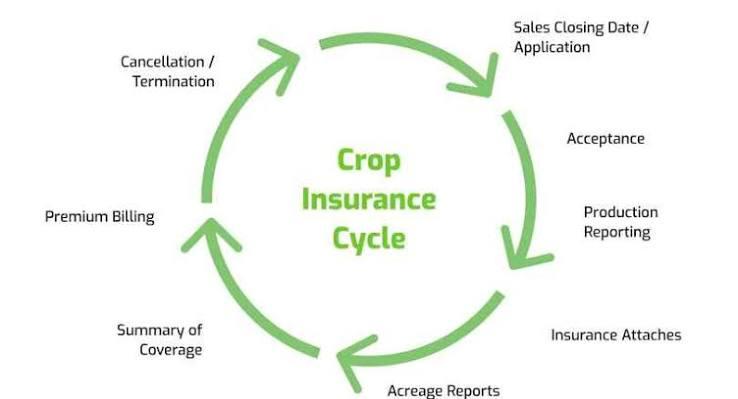
Unpacking the expansive momentum detailed in the Crop Insurance Market Growth narrative illuminates how modern agricultural economies are successfully adapting to the dual pressures of feeding a burgeoning global population and managing escalating environmental volatility. For decades, agricultural stakeholders viewed risk management primarily as a reactive measure, relying on ad-hoc government bailouts that frequently arrived too late to prevent systemic farm closures and rural economic distress. Today, however, the sector is experiencing a profound structural renaissance characterized by the widespread adoption of comprehensive multi-peril crop insurance, index-based products, and innovative revenue protection policies. This upward trajectory is powerfully reinforced by the increasing availability of granular meteorological data and high-resolution satellite imagery, which allow actuaries to price risks with unprecedented precision. Consequently, insurance providers can offer tailored policies that reflect the micro-climates and specific agronomic practices of individual farming communities, drastically reducing basis risk and enhancing farmer trust. Furthermore, the commercialization of agriculture in developing regions has created a massive, untapped consumer base eager for financial safeguards against unseasonal monsoons, prolonged droughts, and catastrophic pest infestations. Governments and international financial institutions are actively fueling this expansion by implementing supportive regulatory frameworks, subsidizing premium payments, and fostering competitive insurance marketplaces that drive down costs and encourage continuous product innovation. As a result, agricultural insurance is no longer perceived merely as a compliance expense, but as a vital engine for economic stability, rural empowerment, and sustainable agricultural intensification across diverse global landscapes.
This remarkable expansion also serves as a critical bridge connecting rural producers with formal financial institutions, thereby unlocking essential capital for long-term farm improvements and technological upgrades. When farmers possess verified, comprehensive coverage against crop failure, commercial banks exhibit significantly higher confidence in extending agricultural credit, leading to increased investments in advanced irrigation systems, high-quality seeds, and precision farming equipment. Yet, sustaining this upward momentum requires continuous collaboration among insurers, technologists, and policymakers to address persistent challenges such as financial illiteracy, infrastructural deficits in rural areas, and the compounding risks of systemic climate change. Industry panels and group discussions often stress the importance of grassroots educational campaigns that demystify policy wordings and demonstrate the direct correlation between insurance adoption and long-term farm profitability. Additionally, the emergence of insurtech startups is revolutionizing the distribution landscape, introducing peer-to-peer insurance models and mobile-based premium payments that make coverage accessible to remote smallholders. Looking ahead, the sustained expansion of this sector will depend heavily on its agility in incorporating climate-smart agricultural incentives into insurance designs, thereby rewarding sustainable farming practices while safeguarding global food systems against future uncertainties.
Frequently Asked Questions
What factors are primarily fueling the recent expansion in agricultural insurance? Key factors include heightened climate volatility, increased availability of precise meteorological data, supportive government subsidies, and the rise of innovative digital distribution platforms that make policies accessible to smallholders.
How does insurance adoption impact a farmer's access to credit? Having comprehensive crop insurance significantly de-risks agricultural lending for commercial banks, making them much more willing to provide loans at favorable interest rates for purchasing modern farming inputs and equipment.
➤➤➤Explore MRFR’s Related Ongoing Coverage In Semiconductor Industry:
Inertial Systems Land Based Applications Market
Inertial Systems Transportation Market
Insurance Bpo Services Industry Market
Integrated Quantum Optical Circuit Market
Intellectual Property Fraud Market
Internet Of Things Iot In Bfsi Market
Lab Automation In Genomic Market

 English
 Arabic
 Spanish
 Portuguese
 Deutsch
 Turkish
 Dutch
 Italiano
 Russian
 Romaian
 Portuguese (Brazil)
 Greek
