


What Shifts Global Demand For Construction Machinery Alternators
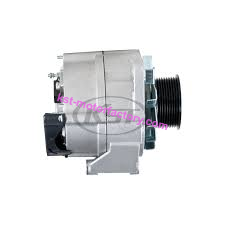
How Is Demand For Construction Machinery Alternators Changing Worldwide
Every excavator, loader, and bulldozer on a job site runs on a charging system that has to survive dust, heat, vibration, and long shifts. When one of those units fails, the machine stops, and the project loses time. That reality sits behind a question buyers and distributors keep asking. How is demand for a Construction Machinery Alternator changing worldwide, and what does that shift mean for the shops that service heavy equipment? The answer touches infrastructure, fleet age, and the parts supply chain.
Infrastructure Work Sets The Pace
Construction activity drives the market for these parts more than any single factor. When governments fund roads, rail, ports, and housing, machine fleets grow, and every new unit needs a charging system. When spending slows, fleets run longer between replacements and buyers turn to rebuilds instead of new parts. Demand does not vanish in a slow year. It changes shape, moving from volume orders to smaller, steady replacement buys.
Fleet Age And Replacement Cycles
Heavy equipment stays in service for many years. As machines age, alternators, starters, and regulators wear out and get replaced. A fleet that bought machines in a busy period will need a wave of replacement parts several seasons later. This cycle repeats across regions, so demand rarely moves in one direction at once. A distributor who tracks fleet age in a local market can predict which parts will move and stock them ahead of the rush.
Harsh Sites Raise The Bar
Modern job sites push equipment harder than before. Dust, mud, vibration, and temperature swings shorten the life of a standard alternator. Buyers now look for units with sealed housings, protection against water and dust, reinforced bearings, and stable voltage output across a wide speed range. This shift raises demand for heavy-duty models built for construction work, and it lowers interest in light-duty parts that fail early. A supplier that tests for vibration, heat, and long-load running meets that demand.
Regional Demand Patterns
Different regions move at different speeds. Markets with active road and rail programs buy new machines and spare parts in volume. Markets with older fleets buy replacements and rebuild kits. Export hubs serve both, which keeps order books mixed. A supplier with a broad model range can serve many regions without retooling for each one. KST, short for Zhejiang KST Automotive Electric Motor, builds alternators and starters for heavy-duty vehicles and construction machinery, and its range covers major machine brands, which lets it serve buyers across Europe, the United States, Southeast Asia, and the Middle East.
What Buyers Ask Before Ordering
Distributors and repair shops ask specific questions. Does the unit match the machine model and OEM number? Does output match the electrical load, especially when extra lights or tools run off the same system? Does the housing resist dust and water on site? Does the regulator hold voltage steady when loads change? Can the supplier provide a sample for testing? These questions decide which alternators move off the shelf and which sit.
Supply Chain And Lead Time
Demand shifts also affect lead time. When several regions order at once, factories run at capacity and delivery dates stretch. A supplier with its own production lines and a broad model catalog can plan output and hold dates, while a trading operation may wait on someone else. Buyers who place orders early and confirm lead time avoid a stalled repair bay.
How The Market Moves Forward
Three forces will shape demand in the years ahead. Infrastructure programs in growing economies will add machines and parts. Fleet renewal in mature markets will replace aging units. And rising standards for durability will push buyers toward heavy-duty alternators built for harsh sites. Together, these forces point to steady global demand, with regional peaks and troughs rather than one flat curve.
A distributor who follows these forces can plan stock with confidence. A repair shop that stocks the right models can finish jobs faster. And a supplier that builds for real site conditions can serve both.
A shop that keeps a Construction Machinery Alternator matched to each machine model spends less time chasing returns and more time on billable work, and KST supports that goal with heavy-duty units built for excavators, loaders, bulldozers, cranes, and mining trucks, along with the OEM numbers and model data buyers need to order the right part the first time. You can compare voltage, current, pulley, and application details at https://www.kst-motorfactory.com/ and match a unit to the equipment sitting in your bay.

 English
 Arabic
 French
 Spanish
 Portuguese
 Deutsch
 Turkish
 Dutch
Dutch
 Russian
 Romaian
 Portuguese (Brazil)
 Greek
Greek
