


Injured in a Bus Accident? Steps to Protect Your Health and Legal Rights
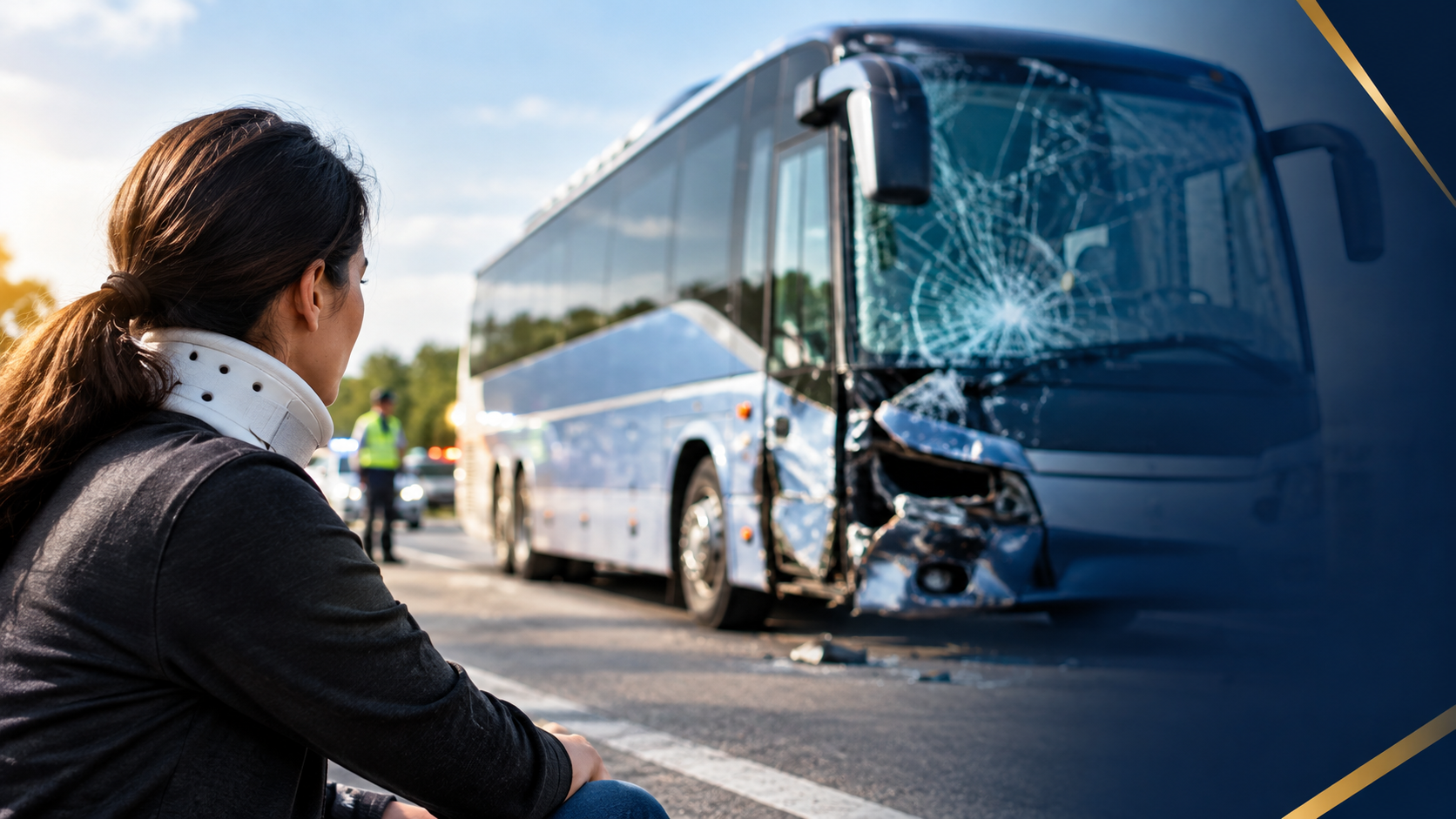
A bus accident can leave passengers, pedestrians, cyclists, and occupants of other vehicles dealing with painful injuries, unexpected expenses, and uncertainty about what to do next. Unlike a typical car crash, a bus collision may involve a public transportation agency, a private bus company, a school district, or another commercial operator. Understanding who may be responsible is an important step toward protecting your rights.
A bus accident lawyer can help injured people understand their legal options, identify potentially responsible parties, and navigate the insurance claims process. If you were injured in New Jersey, knowing what to do after the collision can help you preserve important evidence and make informed decisions about your recovery.
What Should You Do Immediately After a Bus Accident?
The steps you take after a bus accident can affect both your health and your ability to document what happened. Even if your injuries seem minor at first, it is important to take the situation seriously.
1. Get Medical Attention
Your health should come first. Call emergency services if anyone has serious injuries or needs immediate assistance. Some injuries, including concussions, soft-tissue damage, and internal injuries, may not produce obvious symptoms immediately.
Follow your healthcare provider’s recommendations and keep copies of medical records, prescriptions, treatment plans, and bills. These documents may help establish the connection between the accident and your injuries.
2. Report the Accident
Notify the bus operator, transportation company, or appropriate authorities about the collision. If police respond, ask how you can obtain the accident report. Record the date, time, location, bus number, and any available route information.
An official report can provide useful details, although it may not determine fault by itself.
3. Collect Evidence Safely
If you are physically able, gather evidence without putting yourself in danger. Useful information may include:
-
Photographs of the vehicles, visible injuries, road conditions, and the surrounding area
-
Names and contact information of witnesses
-
The bus company’s name and vehicle identification details
-
Driver and insurance information, when available
-
Medical records and receipts related to the accident
Bus surveillance footage, onboard camera recordings, and nearby security videos may also be important. Some recordings are retained for limited periods, so prompt preservation requests may be necessary.
4. Be Careful When Speaking With Insurers
An insurance representative may contact you to ask questions or request a statement. Provide accurate information, but avoid guessing about details you cannot remember. Do not sign documents or accept a settlement before understanding what it covers.
You may not know the full extent of your injuries or future treatment needs immediately after a collision. Getting appropriate medical and legal guidance can help you make a more informed decision.
Who Can Be Held Responsible for a Bus Accident?
Determining responsibility is often more complicated than identifying the driver. The circumstances of the collision and the evidence available will help establish which parties, if any, may be legally liable.
Potentially responsible parties may include:
-
The bus driver: Negligent driving, distraction, speeding, fatigue, or failure to follow traffic rules may contribute to a crash.
-
The bus company or operator: A company may be responsible in certain circumstances involving employee conduct, inadequate training, or negligent operational practices.
-
A maintenance provider: Faulty brakes, worn tires, steering problems, or other mechanical failures may point to improper inspection or repairs.
-
Another motorist: A driver who causes a collision with a bus may be responsible for resulting injuries.
-
A government transportation agency: A public entity may be involved when an accident concerns a government-operated bus or another qualifying public transportation service.
Not every accident involves negligence, and the applicable rules depend on the facts. A legal investigation may examine driver records, maintenance documents, video footage, witness statements, and accident reconstruction evidence to determine what happened.
What Types of Injuries Can Result From a Bus Crash?
Buses carry multiple passengers, and many do not have individual seat belts or the same protective features found in passenger cars. Sudden braking, sharp turns, and collisions can cause people to fall or strike nearby surfaces.
Common bus accident injuries include:
-
Head injuries and concussions
-
Neck and back injuries
-
Broken bones and fractures
-
Shoulder, knee, and other joint injuries
-
Cuts, bruises, and soft-tissue damage
-
Spinal cord injuries and other serious trauma
The impact may affect passengers inside the bus, people boarding or leaving it, pedestrians, cyclists, and occupants of other vehicles. Some injuries require ongoing rehabilitation or prevent a person from returning to work for an extended period.
Keep track of medical appointments, missed work, mobility limitations, and other ways the injury affects your daily life. This information can help document the practical consequences of the accident.
What Compensation May Be Available After a Bus Accident?
Depending on the facts, an injured person may be able to pursue compensation for certain losses caused by another party’s negligence. The amount and types of recoverable damages depend on the evidence, applicable law, insurance coverage, and any relevant limitations.
Potential damages may include:
-
Medical expenses and necessary rehabilitation
-
Future medical treatment related to the injuries
-
Lost wages during recovery
-
Reduced future earning capacity
-
Pain and suffering, where legally recoverable
-
Other documented losses recognized under applicable law
For example, a passenger who suffers a broken leg may face emergency treatment costs, follow-up appointments, physical therapy, and time away from work. A claim may need to account for more than the initial hospital bill.
Keep receipts, pay records, medical documentation, and correspondence with insurers. A bus accident lawyer can review the available evidence and explain which losses may be included in a claim.
Why Are Bus Accident Claims Different From Car Accident Claims?
Bus accident claims can involve additional legal and practical challenges. A collision may involve several injured passengers, commercial insurance policies, transportation regulations, and multiple potentially responsible parties.
Claims involving public buses can be particularly complicated because special rules may apply when a government agency is involved. New Jersey's Tort Claims Act may impose specific notice requirements and shorter deadlines for certain claims against public entities. In some circumstances, a notice of claim must be filed within 90 days of the claim's accrual, subject to applicable exceptions and court rules.
That deadline does not apply to every bus accident claim, and other deadlines may govern claims against private operators or individuals. Do not assume that the ordinary personal injury filing period is the only deadline that matters.
Early legal review can help identify the correct defendant, applicable notice requirements, and steps needed to preserve evidence. If you are unsure whether a government agency operates the bus, investigate that issue promptly.
How Can a Bus Accident Lawyer Help With Your Claim?
Recovering from an injury is difficult enough without having to manage a complex insurance dispute. An attorney experienced in personal injury matters can explain the claims process and help you understand the evidence needed to support your case.
Depending on the circumstances, legal assistance may include:
Investigating the accident: Reviewing reports, photographs, witness accounts, vehicle records, and available video footage.
Identifying responsible parties: Examining whether the driver, bus operator, maintenance provider, another motorist, or a public entity may be liable.
Documenting losses: Organizing medical expenses, lost income, and other evidence of the impact of the injury.
Communicating with insurers: Handling claim-related correspondence and evaluating settlement offers against the documented losses and legal issues.
Explaining deadlines: Identifying relevant filing periods and special notice requirements that may affect the claim.
Evaluating settlement or litigation options: Explaining potential next steps if the parties disagree about liability or the value of the claim.
When searching for the best personal injury lawyer for your situation, look beyond advertising claims. Ask about experience with injury cases involving buses or commercial vehicles, communication practices, fee arrangements, and how the attorney plans to investigate your particular accident.
How Can You Strengthen a Bus Accident Injury Claim?
A well-documented claim can make it easier to explain what happened and how the injury affected you. While no single piece of evidence guarantees a successful outcome, consistent records can help clarify important facts.
Start by following your treatment plan and keeping copies of your medical records. Write down your recollection of the accident while the details are still fresh. Save receipts for accident-related expenses and maintain records of missed work or reduced working hours.
Avoid posting assumptions about the crash or detailed discussions of your claim on social media. If an insurer requests records or a recorded statement, understand what is being requested before responding.
Most importantly, do not delay seeking legal advice when a serious injury, disputed liability, or possible government defendant is involved. Prompt action can help protect evidence and clarify deadlines.
Frequently Asked Questions About Bus Accident Claims
How long do I have to file a bus accident claim in New Jersey?
The deadline depends on who may be responsible and the facts of the case. Certain claims against public entities may require notice within 90 days, while other deadlines can apply to private parties. Seek legal advice promptly to determine the deadline for your situation.
Can I file a claim if I was a passenger on the bus?
Possibly. An injured passenger may have a claim if another party's negligence caused the accident and the applicable legal requirements are met. The evidence and circumstances determine whether a claim is available.
What if another driver caused the bus accident?
You may be able to pursue a claim against the other driver or another responsible party. Depending on the circumstances, additional insurance policies or defendants may also need to be considered.
What if I did not feel injured until the next day?
Some injuries develop symptoms gradually. Seek medical attention as soon as possible, explain when your symptoms began, and keep records of your treatment. Delayed symptoms do not automatically prevent a claim, but medical documentation is important.
Do I need a lawyer after a bus accident?
Not every accident requires legal representation. However, an attorney may be especially helpful when injuries are serious, fault is disputed, multiple parties are involved, or a public transportation agency may be responsible.
Protect Your Next Steps After a Bus Accident
A bus accident can create medical, financial, and personal challenges that continue long after the crash. Getting medical care, reporting the incident, preserving evidence, and understanding the applicable deadlines can help you make informed decisions.
If you were injured in a New Jersey bus accident, the Law Office of Aaron can be a starting point for learning about your personal injury legal options. Consider discussing the facts of your accident with a qualified attorney who can explain your rights, evaluate potential claims, and help you understand the steps available under New Jersey law.

 English
 Arabic
 French
 Spanish
 Portuguese
 Deutsch
 Dutch
Dutch
 Italiano
 Russian
 Romaian
 Portuguese (Brazil)
 Greek
Greek
