


A Smart Way to Upgrade Your Kitchen Without a Full Remodel
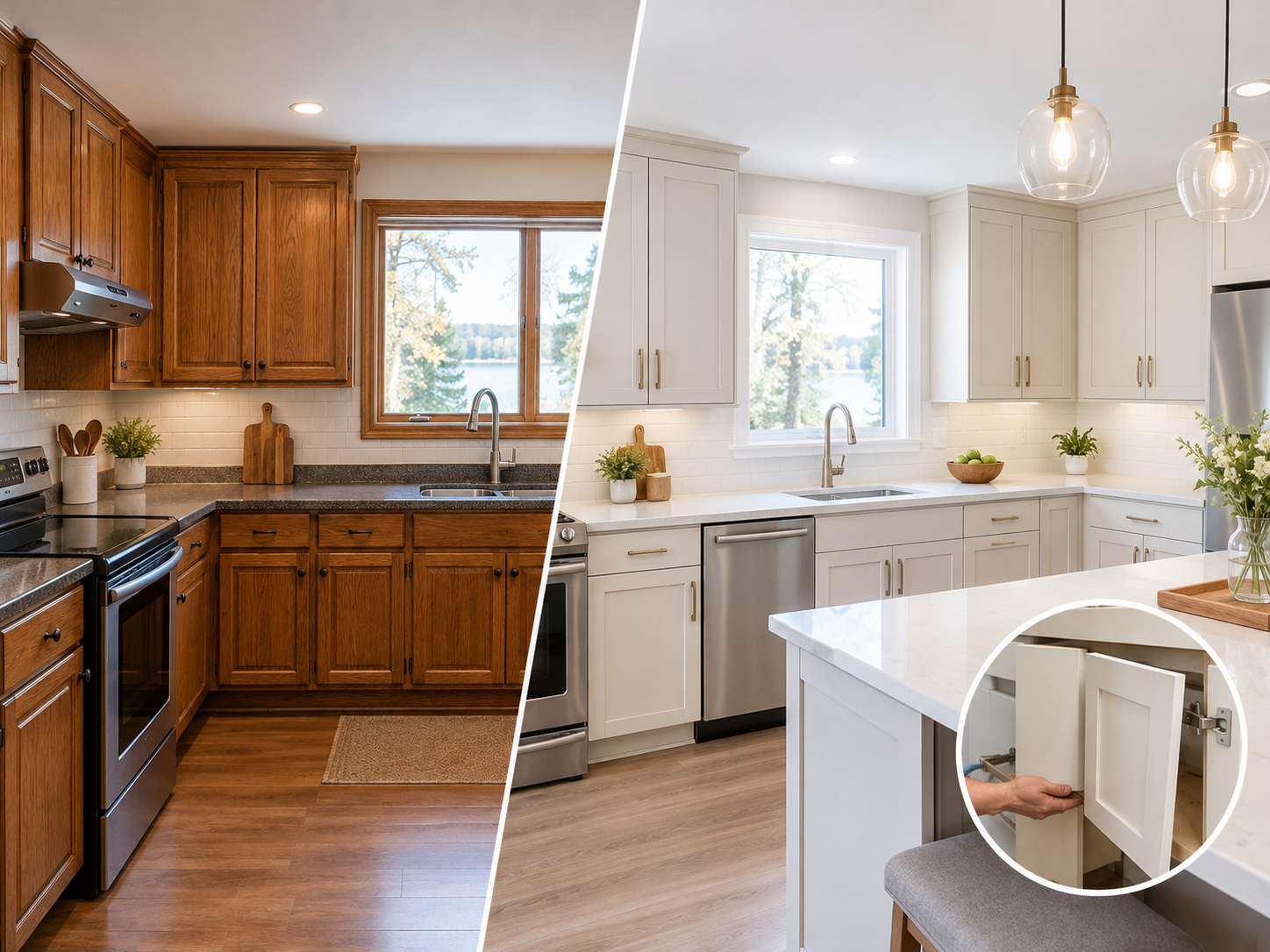
An outdated kitchen can make your entire home feel less inviting. Worn cabinet doors, faded finishes, dated hardware, and limited storage can affect both the appearance and functionality of the space. However, replacing every cabinet and renovating the entire kitchen is not always necessary. In many homes, a carefully planned cabinet update can deliver impressive results without the expense and disruption of a complete renovation.
Kitchen refacing services offer a practical solution for homeowners who want a fresh kitchen design while keeping their existing cabinet structures. By updating cabinet doors, drawer fronts, exterior finishes, and hardware, homeowners can achieve a more modern appearance without starting from scratch.
The key is understanding when refacing makes sense, which materials provide lasting value, and how to plan the project around your household's needs. With the right approach, you can create a beautiful, functional kitchen while making thoughtful use of your renovation budget.
What Are Kitchen Refacing Services?
Kitchen cabinet refacing involves updating the visible parts of existing cabinets rather than removing and replacing the entire cabinetry system. Depending on the condition of the cabinets and the chosen service, the work may include installing new doors and drawer fronts, applying a new exterior finish, replacing handles, and updating selected design details.
This approach is particularly useful when cabinet boxes remain structurally sound but look outdated.
For example, a kitchen with sturdy wooden cabinets may feel old-fashioned because of dark finishes, decorative doors, and bulky handles. Replacing those elements with simple cabinet fronts, a lighter finish, and contemporary hardware can create a cleaner, more welcoming appearance.
Refacing is different from cabinet refinishing. Refinishing typically involves preparing and repainting or restaining existing cabinet surfaces, while refacing generally replaces the visible doors and drawer fronts and updates the exterior surfaces. The right choice depends on your budget, existing materials, and desired result.
When Is Cabinet Refacing a Better Choice Than Full Renovation?
Choosing between refacing and a complete kitchen remodel can be difficult. The best decision depends on what is working well in your current kitchen and what needs to change.
Your Existing Cabinets Are Structurally Sound
Start by checking the cabinet boxes, shelves, and mounting points. If they are stable, dry, and free from significant damage, keeping them may be a sensible option.
Cabinets with swollen particleboard, persistent moisture damage, severe warping, or weak connections may need repair or replacement. Covering damaged structures with new doors will not solve underlying problems.
You Want a New Look Without Changing the Layout
If your kitchen has a practical work triangle, sufficient counter space, and convenient access to appliances, you may not need to change its layout. New cabinet fronts, updated colours, and coordinated hardware can make the room feel noticeably different.
However, if you need to move plumbing, relocate appliances, remove walls, or add substantial storage, a broader renovation may provide better long-term value.
You Need to Manage Renovation Costs
Keeping usable cabinetry can reduce the amount of demolition, material replacement, and installation work required. The final cost still depends on the number of cabinets, material quality, labour, repairs, and customisation.
Request an itemised estimate before making a decision. Compare the complete cost of refacing with the cost of replacing the cabinets, including any necessary countertop, plumbing, electrical, and finishing work.
How to Choose Cabinet Materials That Last
Cabinet materials influence appearance, maintenance, and durability. Before choosing a style, consider how frequently you cook, how much wear your kitchen receives, and how much maintenance you are comfortable performing.
Painted Cabinet Doors
Painted doors work well in kitchens that need a lighter, brighter appearance. White, warm beige, soft grey, and muted green can complement a wide range of countertops and flooring.
For a sophisticated finish, choose a durable coating designed for cabinetry. Proper surface preparation and professional application are important because kitchen cabinets are regularly exposed to grease, moisture, and frequent handling.
Wood and Wood-Look Finishes
Natural wood and wood-look surfaces can add warmth to contemporary and traditional kitchens. Oak-inspired finishes, walnut tones, and subtle wood grain can work especially well with neutral walls and stone-look countertops.
When selecting a finish, consider how it will look under your kitchen's natural and artificial lighting. Request samples when possible rather than relying entirely on online photographs.
Modern Cabinet Hardware
Handles and knobs may seem like small details, but they can influence the overall appearance of your kitchen. Matte black, brushed nickel, and understated brass finishes can complement different cabinet colours.
Choose hardware that feels comfortable to use and fits the existing cabinet construction. If you are replacing handles, confirm the hole spacing before ordering to avoid unnecessary drilling or repair work.
Practical Ways to Improve Kitchen Storage During Refacing
A kitchen can look beautiful and still feel inconvenient if everyday items are difficult to reach. Refacing provides an opportunity to review your storage needs, although the amount of internal improvement possible depends on your existing cabinet structure.
Consider these practical options:
-
Drawer organisers: Keep utensils, cooking tools, and cutlery arranged for easier access.
-
Pull-out shelves: Make frequently used items easier to reach in suitable base cabinets.
-
Vertical dividers: Store baking trays, chopping boards, and serving platters more efficiently.
-
Under-sink organisers: Use available space for cleaning products while keeping plumbing accessible.
-
Corner storage solutions: Improve access to awkward spaces when the cabinet design allows modifications.
-
Dedicated pantry areas: Group dry goods, small appliances, and frequently used ingredients in convenient locations.
Before purchasing accessories, measure the cabinet interiors carefully. Check the clearance around hinges, plumbing, drawers, and appliances to ensure the new features will fit properly.
If your current cabinet layout cannot support the storage improvements you need, discuss selective cabinet replacement or a more extensive kitchen renovation with a qualified professional.
How to Plan a Kitchen Refacing Project Step by Step
A little preparation can help prevent delays, unnecessary expenses, and disappointing results.
1. Identify Your Main Problems
Write down what you dislike about your current kitchen. Perhaps the cabinet doors are dated, the finish is worn, or the room feels too dark. Separate cosmetic concerns from functional problems so you can prioritise the changes that matter most.
2. Establish a Realistic Budget
Set a budget that includes materials, labour, hardware, delivery, preparation, and any repairs. Keep a contingency amount for unexpected issues, particularly if the cabinets have not been inspected recently.
Avoid choosing a contractor based solely on the lowest quotation. A detailed proposal should explain the work included, the materials being supplied, the expected timeline, and any exclusions.
3. Select a Coordinated Design
Choose cabinet finishes alongside your countertop, backsplash, flooring, and wall colours. You do not need to replace every surface to achieve a coordinated look.
For example, warm-white cabinet fronts paired with natural wood accents and a neutral backsplash can create a welcoming, timeless kitchen. In a smaller space, lighter finishes and simple door profiles can help the room feel less crowded.
4. Inspect the Existing Cabinetry
Before work begins, confirm that the cabinet boxes, hinges, shelves, and mounting points are suitable for the planned upgrades. Address moisture issues and structural damage before installing new fronts.
5. Confirm the Project Details
Ask about surface preparation, installation methods, hardware, cleanup, warranty coverage, and expected completion dates. Confirm whether countertop removal or other trades are required.
A clear agreement helps you understand exactly what the project includes and reduces the risk of unexpected costs.
Can Kitchen Refacing Help Small Homes and Growing Communities?
Homeowners in smaller communities often want practical upgrades that improve daily comfort without committing to a major construction project. Refacing can be appealing when existing cabinets are serviceable and a complete remodel would be unnecessary.
The same principle applies when people research the best franchise for small town opportunities. Business owners and aspiring entrepreneurs may look for services that address recurring local needs, including home maintenance, kitchen updates, and property improvements.
However, a successful home improvement business depends on more than the popularity of a service. Local demand, competition, operating costs, contractor skills, customer trust, and the availability of materials all influence its prospects. Anyone considering a renovation-related franchise should evaluate the business model and local market carefully rather than assuming that cabinet refacing guarantees profitability.
For homeowners, the practical takeaway is simple: choose improvements that solve real problems. For service providers, understanding those needs can help shape useful offerings and build stronger relationships with the local community.
Common Mistakes to Avoid
Even a relatively straightforward cabinet update can disappoint when important details are overlooked.
Ignoring structural damage: New cabinet fronts cannot compensate for deteriorating cabinet boxes or unresolved moisture problems.
Choosing finishes without samples: Colours can appear different under warm lighting, daylight, and artificial illumination.
Forgetting about functionality: A visually attractive kitchen still needs accessible storage, comfortable work surfaces, and convenient appliance placement.
Underestimating the total cost: Include installation, hardware, repairs, and related finishing work when comparing quotations.
Expecting refacing to fix every problem: If the layout is inefficient or the cabinets cannot accommodate necessary changes, a partial or complete remodel may be more appropriate.
Avoiding these mistakes helps you focus your budget on improvements that deliver meaningful benefits.
Conclusion
Updating a kitchen does not always require removing every cabinet and rebuilding the entire space. When the existing cabinetry is in good condition, replacing outdated doors, refreshing exterior finishes, and improving selected storage features can create a more attractive and functional room.
The best results begin with an honest assessment of your current kitchen, a realistic budget, durable materials, and a design that supports everyday use. Comparing professional estimates and understanding the limits of refacing will also help you choose the right approach.
Whether you want a brighter cooking space, a more contemporary appearance, or a practical upgrade before selling your home, a well-planned cabinet transformation can be a worthwhile investment in comfort and usability. The goal is not simply to make your kitchen look newer, but to create a space that works better for the way you live.

 English
 Arabic
 French
 Spanish
 Portuguese
 Turkish
 Dutch
Dutch
 Italiano
 Russian
 Romaian
 Portuguese (Brazil)
 Greek
Greek
