


How to Fix Common Concrete Problems Before They Get Worse
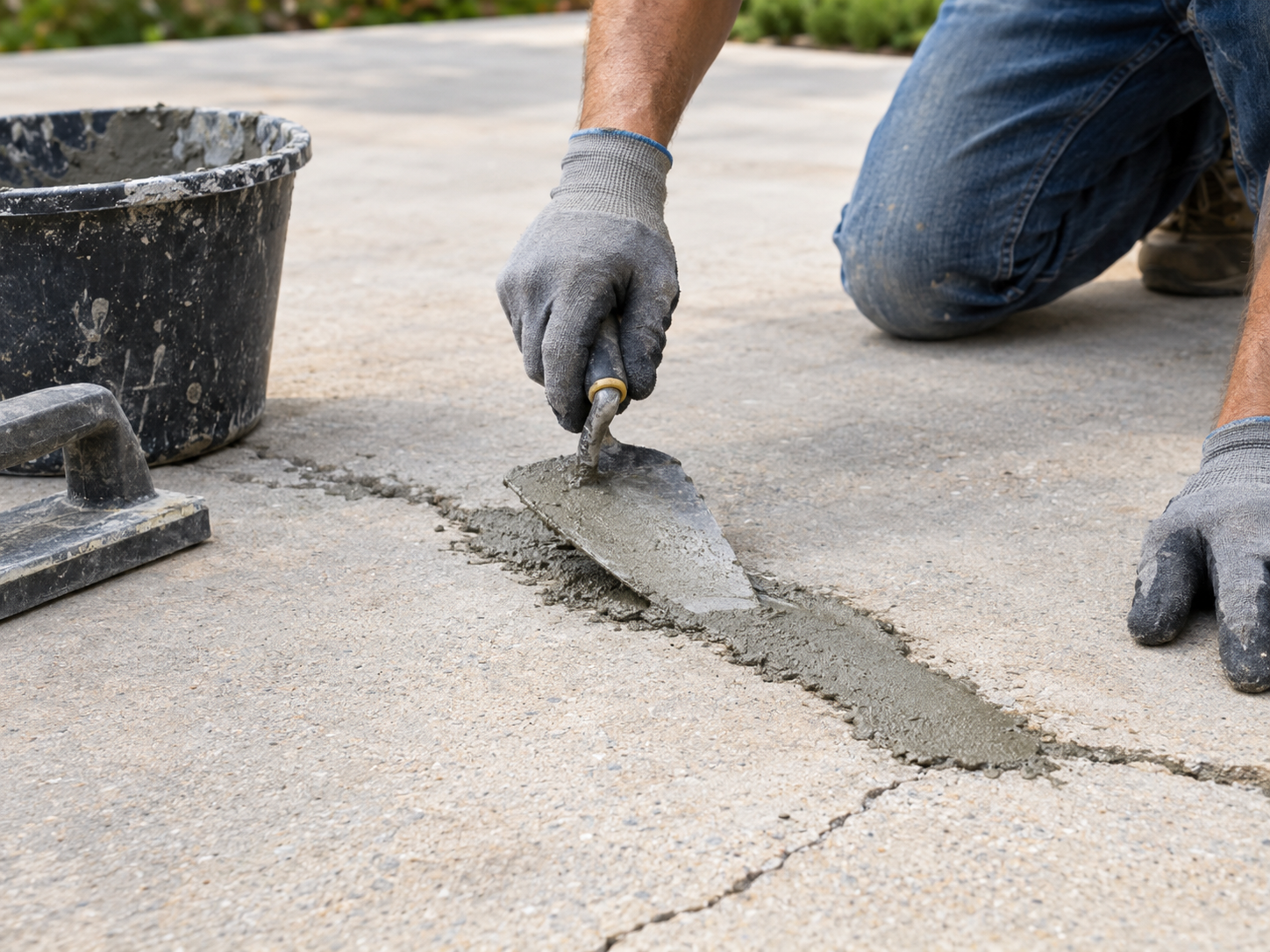
Concrete is known for its strength and durability, but it is not completely resistant to damage. Over time, concrete surfaces can develop cracks, chips, holes, uneven areas, discoloration, and other signs of wear. Small defects may seem harmless at first, but some can become larger problems when exposed to moisture, heavy traffic, changing temperatures, or continued structural stress.
Understanding when and why concrete needs attention can help property owners avoid unnecessary repairs and expenses. Proper concrete repair can restore the appearance of a damaged surface while also helping maintain its strength, safety, and usable life.
What Is Concrete Repair?
Concrete repair is the process of restoring damaged or deteriorated concrete to improve its condition and function. The appropriate repair method depends on the type, size, location, and cause of the damage.
Repair work may involve filling cracks, patching damaged sections, resurfacing worn concrete, leveling uneven areas, or replacing severely deteriorated sections. A simple surface crack may require a very different solution from concrete that has experienced major settlement or structural damage.
The goal is not simply to cover visible damage. A successful repair should address the underlying issue whenever possible so the problem does not quickly return.
Common Signs That Concrete Needs Repair
Knowing what to look for can help property owners respond before minor damage becomes more difficult to manage.
Cracks in the Surface
Cracks are among the most common signs of concrete deterioration. Hairline cracks can sometimes result from normal shrinkage, while wider or spreading cracks may indicate movement, settlement, drainage problems, or other concerns.
Cracks should not automatically be treated as purely cosmetic. Their location, size, direction, and progression can provide useful information about what is happening beneath or around the concrete.
Spalling and Chipping
Spalling occurs when the surface of concrete begins to break, flake, or chip away. It can happen because of moisture penetration, weather exposure, poor installation, corrosion of reinforcing materials, or repeated freeze-thaw cycles in colder climates.
Damaged areas should be assessed and repaired before deterioration spreads to surrounding concrete.
Uneven Concrete
Sidewalks, patios, driveways, and other concrete surfaces can become uneven because of soil movement, settlement, erosion, tree roots, or drainage issues. Uneven surfaces can create trip hazards and may also allow water to collect in certain areas.
Concrete leveling or slab correction may be appropriate depending on the cause and severity of the problem.
Surface Wear and Deterioration
Heavy traffic, weather, chemicals, water exposure, and normal aging can gradually wear down concrete. A surface that appears rough, faded, or heavily deteriorated may benefit from resurfacing or another restoration method.
What Causes Concrete Damage?
Concrete problems can develop for several reasons, and identifying the cause is an important part of selecting the right repair.
Moisture is one of the most common contributors to concrete deterioration. Water can enter small cracks and pores, potentially causing additional damage as conditions change.
Poor drainage can also contribute to problems by allowing water to remain around or beneath a concrete slab. Soil movement and settlement may cause cracking or uneven surfaces, while tree roots can place pressure on nearby slabs.
Temperature changes can also affect concrete. Repeated expansion and contraction may contribute to cracking over time. Heavy loads or excessive traffic can create additional stress, especially when a surface was not designed for that level of use.
Why Early Concrete Repair Matters
Ignoring small concrete problems can sometimes make them more expensive and complicated to address later. A small crack may allow water to enter the concrete, while a minor uneven area can become more noticeable as the supporting soil continues to shift.
Early maintenance gives property owners an opportunity to identify potential causes and select an appropriate repair strategy. It can also help reduce safety concerns associated with damaged walkways, driveways, entrances, and other frequently used surfaces.
Regular inspection is especially useful for concrete exposed to heavy traffic, moisture, weather conditions, or repeated loading.
How Is Damaged Concrete Repaired?
The repair process varies according to the condition of the surface.
For minor cracks, a suitable crack-filling or sealing material may help prevent moisture from entering the damaged area. Small chips and holes may be addressed through concrete patching materials designed for the specific application.
For larger areas of surface deterioration, resurfacing can provide a renewed finish without necessarily replacing the entire slab. If a section has significant settlement or movement, leveling or lifting techniques may be considered.
Severely damaged concrete may require partial or complete replacement. This can be appropriate when the existing material has extensive deterioration, major structural concerns, or a failed supporting base.
Choosing the Right Concrete Repair Solution
There is no single repair method that works for every concrete problem. Before starting a repair, consider the size of the damaged area, the condition of the surrounding concrete, drainage, soil stability, expected traffic, and the cause of deterioration.
A professional assessment can help determine whether a repair, resurfacing project, leveling solution, or replacement is more appropriate.
Working with an experienced provider such as TCC Concrete Service can also help property owners better understand the condition of their concrete and the available repair options.
How to Help Prevent Future Concrete Damage
Proper maintenance can help extend the useful life of concrete. Keep drainage systems clear so water does not continuously collect around slabs. Address cracks before they become larger openings, and avoid placing loads on surfaces that were not designed to support them.
It is also helpful to monitor areas that experience frequent traffic or repeated exposure to water and changing weather conditions. Regular cleaning can remove substances that may contribute to surface deterioration.
When new concrete is installed, proper preparation, suitable materials, adequate curing, and appropriate drainage are important factors in long-term performance.
When Should You Call a Professional?
Professional assistance may be worthwhile when cracks are widening, slabs are becoming uneven, large sections are deteriorating, or the cause of the damage is unclear.
A professional can evaluate visible symptoms and look for contributing factors such as drainage problems, settlement, soil movement, or excessive surface stress. This can help prevent spending money on a repair that only addresses the appearance of the problem.
Final Thoughts
Concrete can provide years of dependable service, but even durable surfaces eventually require maintenance. Cracks, spalling, uneven slabs, surface deterioration, and water-related damage should be evaluated rather than ignored.
The right concrete repair approach depends on the type and cause of the damage. Addressing problems early, maintaining proper drainage, and using appropriate repair methods can help protect concrete surfaces and extend their service life.
For homeowners and property managers, understanding the warning signs is the first step toward making better maintenance decisions. A timely evaluation can help determine whether a damaged area needs simple patching, resurfacing, leveling, or more extensive work.

 English
 Arabic
 French
 Spanish
 Portuguese
 Deutsch
 Turkish
 Dutch
Dutch
 Russian
 Romaian
 Portuguese (Brazil)
 Greek
Greek
