


HIPAA Compliance Services: How to Protect Patient Data
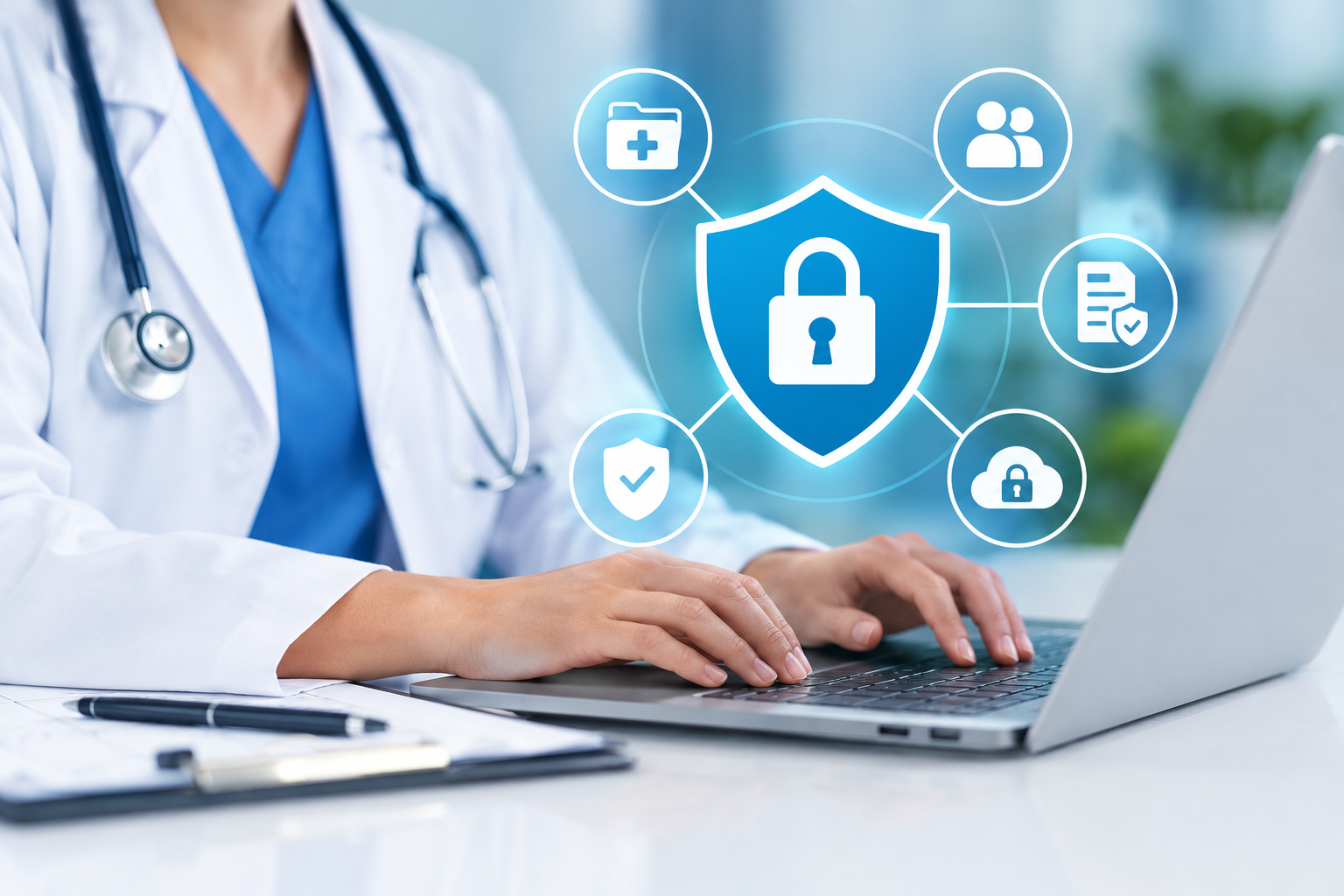
Healthcare organizations handle sensitive patient information every day, from medical histories and treatment records to insurance details and billing information. Protecting this data is essential for maintaining patient trust, reducing cybersecurity risks, and meeting applicable federal requirements. However, managing electronic health records, staff access, cloud applications, and connected devices can make data protection challenging.
HIPAA Compliance Services help healthcare providers and other regulated organizations identify security weaknesses, strengthen information protection practices, and manage their HIPAA-related responsibilities. With the right combination of technical safeguards, employee training, documented procedures, and ongoing risk management, organizations can build a more secure IT environment without unnecessarily disrupting daily operations.
What Are HIPAA Compliance Services?
HIPAA compliance services help covered entities and business associates understand and address their responsibilities under the Health Insurance Portability and Accountability Act (HIPAA). Depending on the provider, these services may include security risk assessments, policy development, access control reviews, employee awareness training, incident response planning, and technical security improvements.
The HIPAA Security Rule establishes standards for protecting electronic protected health information (ePHI). It requires appropriate administrative, physical, and technical safeguards to protect the confidentiality, integrity, and availability of this information.
These services are particularly valuable for medical practices, healthcare clinics, hospitals, billing companies, and technology vendors that handle protected health information.
Rather than focusing only on installing security software, an effective compliance program considers how information moves through the organization, who can access it, how risks are managed, and how security procedures are documented.
Why Healthcare Organizations Need HIPAA Compliance Support
Healthcare businesses face a combination of operational, technical, and regulatory challenges. A single weakness in an organization's IT environment can expose sensitive information or interrupt access to important systems.
Here are several common problems that HIPAA compliance support can help address.
1. Preventing Unauthorized Access to Patient Records
Employees may need different levels of access to electronic health records, billing systems, and administrative applications. When permissions are too broad, confidential information can become accessible to people who do not need it for their roles.
HIPAA-focused security services can help organizations review user permissions, implement role-based access controls, strengthen authentication, and remove access when employees leave or change positions.
Multi-factor authentication (MFA) adds another layer of protection by requiring an additional verification step when users sign in. Regular access reviews can also help identify outdated accounts and unnecessary permissions.
2. Reducing Ransomware and Cybersecurity Risks
Ransomware can prevent healthcare staff from accessing essential systems and may expose sensitive information. Phishing emails, outdated software, weak passwords, and poorly secured remote connections can increase these risks.
HIPAA compliance services may include vulnerability assessments, security monitoring, endpoint protection, patch management, and backup planning. These measures can help organizations identify weaknesses and improve their ability to prevent, detect, and respond to security incidents.
The appropriate safeguards should be selected based on the organization's documented risk analysis and operating environment. No security solution can eliminate every threat, but a layered approach can reduce exposure and improve resilience.
3. Maintaining Compliance Documentation
Healthcare organizations need more than technical controls. They also need appropriate policies, procedures, records, and evidence of their compliance activities.
Depending on the organization's circumstances, documentation may include security risk assessments, workforce training records, access management procedures, incident response plans, and agreements with relevant business associates.
Well-maintained records make it easier to identify responsibilities, review security practices, and demonstrate what actions have been taken. A compliance partner can help organize this documentation and establish a process for reviewing it as the business changes.
What Do HIPAA Compliance Services Typically Include?
The exact scope varies by provider, but a comprehensive service may cover several important areas.
Security Risk Assessments
A security risk assessment helps an organization identify where ePHI is stored, how it is accessed, and what threats or vulnerabilities could compromise it.
The assessment may examine workstations, servers, cloud platforms, connected medical devices, backup systems, remote access, and third-party applications. Findings can then be used to prioritize corrective actions according to risk.
HHS guidance identifies risk analysis as a foundational requirement under the HIPAA Security Rule. Organizations should reassess risks when relevant changes occur and maintain an ongoing risk management process.
Technical Security Safeguards
Technical safeguards help protect electronic information through appropriate access controls, authentication, audit controls, and transmission security.
Depending on the risk assessment, a provider may recommend encryption, endpoint detection, firewall management, secure remote access, vulnerability remediation, and centralized logging. Organizations should also review whether security settings are configured appropriately across their systems.
These protections work best when they are supported by clear policies, trained employees, and regular monitoring.
Employee Training and Security Awareness
Employees can unintentionally expose patient information by clicking malicious links, sharing credentials, sending information to the wrong recipient, or using unapproved applications.
Security awareness training helps staff recognize suspicious activity, understand their responsibilities, and report potential incidents promptly. Training should reflect the organization's actual workflows and be reinforced when procedures or threats change.
Incident Response and Backup Planning
A security incident can affect patient services, business operations, and access to medical records. Healthcare organizations should establish clear procedures for identifying, containing, investigating, and responding to incidents.
HIPAA compliance support may help develop response plans, define escalation responsibilities, test recovery procedures, and review backup arrangements. Organizations should also understand their applicable breach assessment and notification obligations.
Backups should be protected against unauthorized access and tested regularly to confirm that critical systems and information can be restored when needed.
Business Associate Risk Management
Healthcare organizations frequently work with billing providers, IT vendors, cloud service providers, and other external partners. Some of these relationships involve access to or handling of protected health information.
Organizations should determine whether a vendor qualifies as a business associate and whether a business associate agreement is required. They should also review the vendor's security practices, incident reporting procedures, and relevant subcontractor arrangements.
Working with third parties does not remove an organization's own compliance responsibilities.
How Managed IT Services Support HIPAA Compliance
Technology management plays an important role in maintaining a secure healthcare environment. Managed IT services can complement HIPAA compliance efforts by helping organizations maintain their infrastructure, manage updates, monitor security controls, and resolve technical problems.
For example, a managed IT provider may assist with:
-
Monitoring network activity and identifying suspicious behavior.
-
Applying security patches and maintaining supported software.
-
Managing user accounts and authentication policies.
-
Protecting endpoints, email systems, and remote connections.
-
Maintaining and testing data backup and recovery procedures.
-
Documenting IT changes and helping coordinate incident response.
These activities can support an organization's broader compliance program, but managed IT services alone do not guarantee HIPAA compliance. The organization must ensure that its policies, workforce practices, risk management activities, and vendor relationships address applicable requirements.
When evaluating a provider, healthcare businesses should ask how it handles protected information, documents security activities, supports incident response, and addresses business associate obligations when applicable.
How to Choose the Right HIPAA Compliance Provider
Selecting a suitable provider starts with understanding your organization's current security posture and business needs.
Consider the following factors before making a decision:
Healthcare IT experience: Look for a provider that understands electronic health records, healthcare workflows, patient data protection, and the operational impact of system downtime.
Risk assessment capabilities: Ask how the provider identifies vulnerabilities, evaluates risks, prioritizes remediation, and documents findings.
Clear service responsibilities: Confirm which services are included, who manages each security control, and which responsibilities remain with your organization.
Incident response procedures: Understand how potential security incidents are reported, investigated, escalated, and documented.
Vendor and agreement support: Determine whether the provider can address relevant business associate agreements and explain how it safeguards any ePHI it handles.
Ongoing support: Compliance is not a one-time project. Choose a partner that can support continuing reviews, technical maintenance, staff awareness, and adjustments when your environment changes.
Be cautious of providers that promise guaranteed compliance through a single product or assessment. Effective compliance requires an organization-specific approach supported by continuing oversight.
Practical Steps to Improve HIPAA Compliance
Healthcare organizations can begin strengthening their security practices by following a structured process.
-
Identify sensitive information: Determine where ePHI is created, received, stored, and transmitted.
-
Assess current risks: Review systems, user permissions, vendors, devices, and existing safeguards.
-
Prioritize security improvements: Address significant vulnerabilities and establish a documented remediation plan.
-
Review policies and training: Ensure employees understand their responsibilities and know how to report incidents.
-
Test backups and response procedures: Confirm that the organization can respond to disruptions and recover critical information.
-
Monitor and reassess: Review controls regularly and reassess risks when systems, vendors, or business operations change.
Smaller healthcare practices can benefit from this structured approach just as larger organizations can. The specific measures required will depend on the organization's size, activities, risks, and applicable obligations.

 English
 French
 Spanish
 Portuguese
 Deutsch
 Turkish
 Dutch
Dutch
 Italiano
 Russian
 Romaian
 Portuguese (Brazil)
 Greek
Greek
