


Classic Auto Insurance Companies: How to Choose the Right Coverage
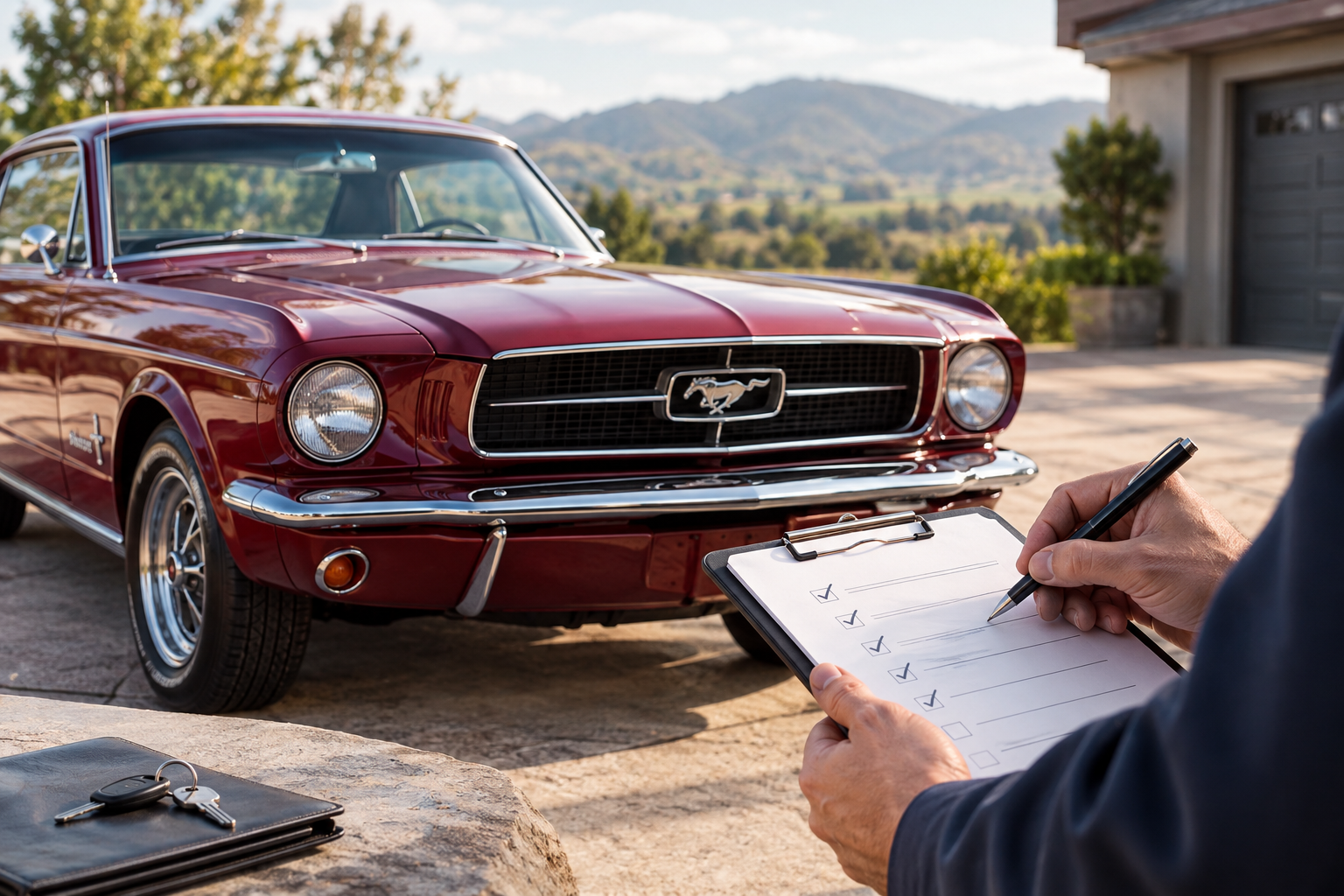
Owning a classic car is about more than transportation. Whether you have a vintage Mustang, a restored Chevrolet, an antique roadster, or a collectible sports car, protecting its value requires the right insurance. However, finding suitable coverage can be challenging because not every auto insurance provider understands the unique needs of classic vehicle owners.
The best classic auto insurance companies offer specialized protection designed for collectible vehicles, including agreed value coverage, flexible mileage options, and access to experienced repair professionals. Understanding these features can help you compare policies, avoid coverage gaps, and select protection that fits your vehicle and budget.
What Are Classic Auto Insurance Companies?
Classic auto insurance companies specialize in protecting vintage, antique, and collectible vehicles. Unlike standard auto insurance providers that primarily cover everyday transportation, these insurers consider factors such as a vehicle's rarity, restoration quality, collectible value, and limited use.
Many classic car policies are designed for vehicles driven occasionally for pleasure, exhibitions, club gatherings, and weekend trips. Eligibility requirements differ between providers, so a car's age alone may not determine whether it qualifies.
Depending on the insurer, eligible vehicles may include:
-
Vintage and antique automobiles
-
Classic muscle cars
-
Restored historic vehicles
-
Collectible sports cars
-
Limited-production vehicles
-
Certain modified or custom-built cars
Before purchasing a policy, confirm that your vehicle meets the insurer's requirements for age, condition, storage, and intended use.
How Is Classic Car Insurance Different From Standard Auto Insurance?
Standard auto insurance is generally designed for vehicles used regularly. Classic car insurance accounts for the special needs of collectible automobiles, including their potential appreciation and the difficulty of finding replacement parts.
One important difference is how the vehicle's value is determined. A standard policy may calculate a total-loss payment using actual cash value, which considers depreciation. A specialty policy may offer agreed value coverage, where you and the insurer agree on an insured amount when the policy begins.
Other differences can include:
-
Mileage restrictions: Classic policies may limit annual driving or restrict commuting.
-
Storage requirements: Secure garage storage may be required.
-
Specialized repairs: Some policies offer flexibility for qualified restoration shops or specialist mechanics.
-
Spare parts protection: Certain plans provide coverage for eligible replacement parts.
-
Vehicle eligibility: Insurers may require a separate everyday-use vehicle.
These features can make specialized coverage a better fit for collectible cars, provided the policy's restrictions match your actual driving habits.
What Coverage Should You Look For?
Comparing coverage details is essential when evaluating classic auto insurance companies. A lower premium may not provide the same protection as a slightly more expensive policy.
1. Agreed Value Coverage
Agreed value coverage is one of the most important features to investigate. You and the insurer establish the covered vehicle's value when arranging the policy, subject to its terms and conditions.
For example, suppose your restored classic car is insured for an agreed value of $45,000. If it suffers a covered total loss, the policy generally uses that agreed amount to determine the payment, subject to applicable deductibles and policy terms.
Ask whether the agreed value needs to be supported by an appraisal, photographs, restoration records, or comparable vehicle sales. You should also review how and when the insured amount can be updated.
2. Liability Coverage
Liability insurance can help cover eligible bodily injury or property damage claims for which you are legally responsible following a covered accident. State requirements and policy limits vary.
Choose limits that meet applicable legal requirements and reflect your financial circumstances. Remember that liability coverage generally protects against claims made by others, rather than automatically paying to repair your own classic vehicle.
3. Comprehensive and Collision Coverage
Collision coverage can help pay for covered damage to your insured vehicle following a collision, subject to the deductible and policy terms.
Comprehensive coverage may protect against specified non-collision events, such as theft, vandalism, fire, or certain weather-related damage.
Review exclusions and deductibles carefully to understand what is and is not covered.
4. Restoration and Spare Parts Coverage
If you are restoring a vintage vehicle, ordinary coverage may not fully address the value of unfinished work, tools, or stored replacement parts.
Ask whether the insurer offers protection for vehicles undergoing restoration, spare parts, or recently completed upgrades. Confirm whether coverage changes as the car moves from a project vehicle to a completed, roadworthy automobile.
How to Compare Classic Auto Insurance Companies
Choosing a provider involves more than comparing monthly or annual premiums. The right insurer should offer suitable protection, understandable policy terms, and reliable claims support.
Use these steps to make a more informed decision.
Compare Multiple Quotes
Request quotes from several providers that insure vehicles similar to yours. Supply consistent information about the vehicle's value, condition, annual mileage, storage arrangements, and intended use.
Compare equivalent coverage limits and deductibles so you can identify genuine differences in price.
Review Mileage and Usage Restrictions
Some classic policies limit annual mileage or prohibit daily commuting. Others offer more flexible arrangements for occasional driving.
Estimate how often you plan to use your car before choosing a policy. If you regularly drive it to work or use it for errands, ask whether the policy permits that activity. Never assume that a classic vehicle policy allows unrestricted driving.
Check Storage and Driver Requirements
Insurers may require secure garage storage, a clean driving history, minimum driving experience, or access to another vehicle for everyday transportation.
Ask for the eligibility requirements in writing before purchasing coverage. This helps prevent misunderstandings that could affect a future claim.
Evaluate Claims Support
A classic vehicle can require specialist parts, careful restoration, or repair work from a mechanic familiar with older automobiles.
Ask how the company assesses collectible vehicle damage, whether you can select a qualified repair shop, and how disputes about vehicle value are handled.
Read Exclusions and Policy Conditions
Review restrictions concerning racing, commercial use, modifications, unattended storage, and unauthorized drivers. Pay particular attention to the conditions that could limit or exclude a claim.
A policy that looks affordable may be unsuitable if it does not cover the way you actually use your vehicle.
What Affects the Cost of Classic Auto Insurance?
The cost of classic car insurance depends on several factors. There is no single premium that applies to every vintage or collectible automobile.
Common pricing factors include:
-
Vehicle value: Higher insured values can increase the potential cost of a claim.
-
Driving history: Accidents and violations may affect eligibility or pricing.
-
Annual mileage: Limited use may reduce exposure to road-related risks.
-
Storage location: Secure storage can influence eligibility and rates.
-
Vehicle condition: Restoration quality and modifications may affect underwriting.
-
Coverage choices: Liability limits, optional benefits, and deductibles influence the final premium.
-
Location: Local risks, insurance regulations, and claim patterns can affect prices.
To manage costs, maintain accurate vehicle records, ask about available discounts, and select coverage that fits your needs. Avoid reducing important protection simply to obtain the lowest quote.
How to Protect Your Classic Car's Insured Value
Insurance works best when your documentation accurately reflects the vehicle you own.
Keep photographs of the exterior, interior, engine, and other important features. Save receipts for restoration work, replacement parts, and significant upgrades. Maintain maintenance records and consider a professional appraisal when the vehicle's value warrants one.
Review your policy after major restoration work or when collectible vehicle values change significantly. Contact your insurer before making substantial modifications, as they may affect eligibility or require an adjustment to your coverage.
Good records can make it easier to establish the vehicle's condition and value when applying for coverage or reporting a claim.
How Insurance for Contractors Relates to Classic Car Protection
Business owners and independent professionals may have different insurance needs from classic car collectors. For example, insurance for contractors can help protect eligible business activities, while a classic auto policy is designed for qualifying collectible vehicles.
If you work in construction, electrical services, plumbing, painting, or another trade, you may need separate policies for business liability, workers' compensation where required, commercial vehicles, and business property.
A classic car used for personal enjoyment should not automatically be treated as a commercial vehicle, and a personal collector policy may restrict business-related use. If you use a vintage vehicle for work, deliveries, advertising, or other commercial activities, explain that use to your insurance provider before purchasing coverage.
Keeping personal vehicle protection separate from business coverage can help you identify gaps and select policies that match each risk.
Common Mistakes to Avoid When Choosing a Policy
Classic car owners can make several avoidable mistakes when shopping for coverage.
Choosing the cheapest quote without comparing benefits: Lower premiums may come with stricter mileage limits, lower protection amounts, or fewer optional benefits.
Assuming every old car qualifies: Insurers use different definitions and eligibility requirements for classic and collectible vehicles.
Overlooking agreed value terms: Confirm how the insured value is established and how a total-loss claim is settled.
Ignoring usage restrictions: Commuting, regular errands, racing, and commercial activities may be excluded under some policies.
Forgetting to update coverage: Restoration work and changing market values may affect the amount of protection you need.
Reviewing these details before buying can help you avoid unpleasant surprises when you need to make a claim.
Final Thoughts
Finding the right classic auto insurance companies starts with understanding your vehicle's value, how you plan to drive it, and the protection you need. Compare multiple quotes, review policy restrictions, and pay close attention to agreed value coverage and claims procedures.
Whether you own a restored antique, a vintage sports car, or a collectible muscle car, carefully selected insurance can help protect the time and money you have invested in it. Review your coverage regularly and choose a policy that provides appropriate protection without paying for features you do not need.

 English
 Arabic
 French
 Spanish
 Portuguese
 Deutsch
 Turkish
 Italiano
 Russian
 Romaian
 Portuguese (Brazil)
 Greek
Greek
