


AI Garden Design Generator | Transform Your Outdoor Space with Artificial Intelligence
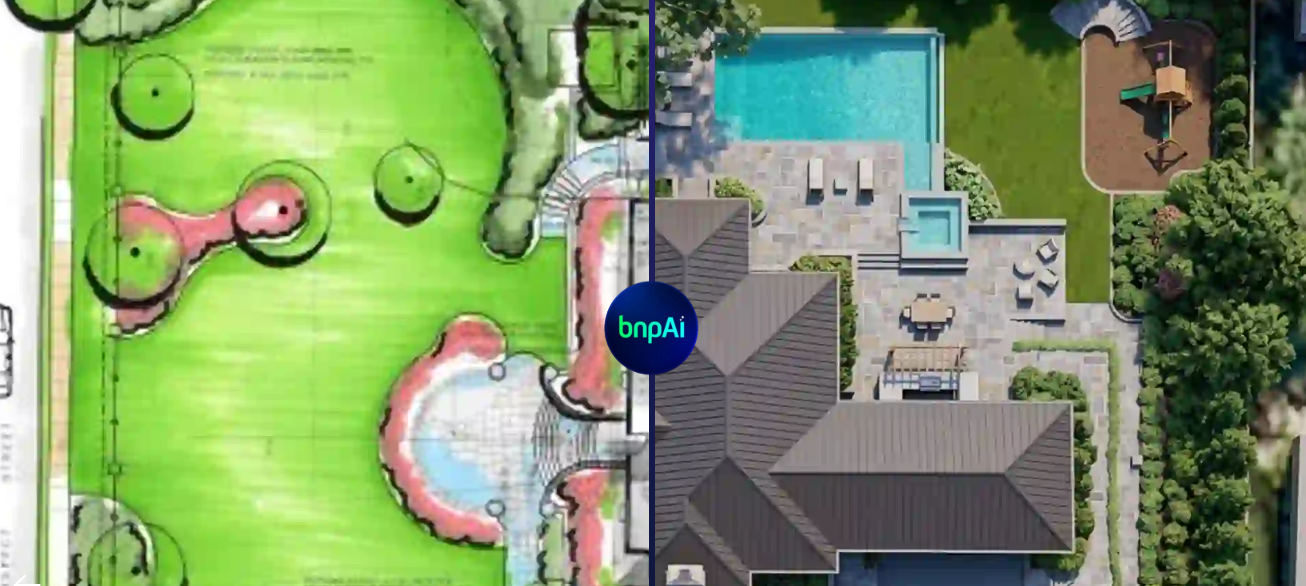
A beautiful garden can make any property feel more peaceful, attractive, and welcoming. Whether you have a small backyard, a spacious lawn, a rooftop terrace, or a compact balcony, the right garden design can completely change the appearance of your outdoor space. However, planning a garden from scratch can be challenging when you do not know which plants, colors, layouts, or decorative elements will work best together. This is where an AI Garden Design Generator becomes a useful solution.
An AI-powered garden design tool helps homeowners, landscape designers, architects, and gardening enthusiasts explore creative ideas without spending hours preparing designs manually. By using artificial intelligence, these tools can turn simple ideas, existing garden photos, or design references into visual concepts. They make it easier to experiment with different landscaping styles and plan an outdoor environment that suits your needs, preferences, and available space.
What Is an AI Garden Design Generator?
An AI Garden Design Generator is a digital tool that uses artificial intelligence to create garden design concepts based on user instructions, uploaded images, or selected preferences. Depending on the platform, users can generate ideas for lawns, flower beds, pathways, patios, outdoor seating areas, vertical gardens, and other landscape features.
Instead of relying entirely on imagination, users can see a visual representation of their proposed garden before making physical changes. For example, someone who wants to create a modern backyard can explore designs featuring clean pathways, decorative stones, green lawns, flowering plants, and comfortable seating areas.
These tools are useful for beginners who need design inspiration as well as professionals who want to develop initial concepts more efficiently. Although AI-generated designs provide valuable guidance, the final layout should also consider local weather, soil quality, drainage, sunlight, and plant maintenance requirements.
How Does an AI Garden Design Generator Work?
Most AI garden design tools follow a straightforward process. Users provide information about their outdoor space, choose a preferred style, and allow the software to generate design ideas.
1. Provide Your Garden Details
The first step is to describe the area you want to improve. You can mention its size, shape, existing plants, sunlight conditions, and intended purpose. Some platforms also allow you to upload a photograph of your current garden.
For example, you might describe a small backyard that needs more greenery, a relaxing seating corner, and low-maintenance plants.
2. Select a Garden Style
Different properties require different landscaping approaches. You can explore modern, tropical, minimalist, traditional, cottage, Mediterranean, or Japanese-inspired garden styles.
Selecting a preferred style helps the tool generate concepts that match your taste. You can also experiment with multiple themes to discover which design complements your property.
3. Generate Garden Design Ideas
After receiving your instructions, the AI system creates one or more visual concepts. Depending on the tool, these designs may include suggested plant arrangements, lawn layouts, garden furniture, pathways, lighting, and decorative features.
4. Review and Improve the Design
You can compare different concepts and adjust your preferences. For instance, you may request more flowering plants, a larger sitting area, fewer decorative objects, or a design that makes a narrow garden appear more spacious.
This process allows you to explore alternatives before purchasing materials or starting landscaping work.
Benefits of Using an AI Garden Design Generator
Saves Time During the Planning Process
Traditional garden planning may involve sketches, reference photographs, multiple revisions, and discussions with designers. An AI Garden Design Generator can help speed up the early planning stage by producing visual concepts within a short period.
Users can quickly compare several layouts and identify ideas worth developing further. This is particularly helpful when you are exploring possibilities but have not finalized a design.
Makes Garden Design Accessible to Beginners
Not everyone has professional landscaping knowledge. Some homeowners struggle to understand how different plants, colors, materials, and outdoor features will look together.
AI-based tools simplify the process by turning written instructions into visual inspiration. Beginners can experiment with different arrangements without learning complicated design software.
Helps Explore Different Landscaping Styles
Choosing the right garden style can be difficult because online photographs may not reflect your property's actual dimensions or existing features.
AI-generated concepts provide another way to explore design possibilities. You can compare a contemporary garden with a natural landscape, a colorful flower garden, or a minimalist outdoor retreat before deciding which direction to follow.
Supports Better Budget Planning
A garden makeover may involve expenses for plants, soil, paving, furniture, lighting, irrigation, and professional installation. Visualizing the design beforehand can help you prioritize important features and avoid unnecessary purchases.
For example, you might discover that a simple gravel pathway and carefully arranged plants provide the appearance you want without requiring an expensive paved surface.
However, AI images do not automatically provide accurate construction estimates. Actual costs should be calculated using local material prices, measurements, and installation requirements.
Encourages Creative Ideas
Sometimes, the biggest challenge is knowing where to begin. AI garden tools can suggest combinations that you might not have considered, such as raised planting beds, vertical greenery, decorative borders, or multifunctional outdoor seating.
These ideas can serve as a starting point for developing a garden that reflects your personality.
Popular Garden Designs You Can Create with AI
Modern Garden Design
Modern gardens often feature geometric shapes, simple color combinations, clean pathways, and carefully arranged greenery. An AI tool can help visualize these elements alongside outdoor lighting, contemporary furniture, and decorative stone features.
This style is suitable for homeowners who prefer a neat and organized outdoor environment.
Small Backyard Design
Small outdoor areas require thoughtful planning because every section needs to serve a purpose. An AI Garden Design Generator can help explore compact seating arrangements, vertical planters, narrow pathways, and space-saving furniture.
The goal is to make the area attractive and practical without overcrowding it with unnecessary elements.
Tropical Garden Design
Tropical gardens typically feature lush foliage, layered greenery, and bold plant textures. AI-generated concepts can help you explore the arrangement of broad-leaved plants, decorative pots, shaded seating areas, and natural-looking pathways.
Before choosing specific plants, make sure they are suitable for your local climate and available growing conditions.
Rooftop and Terrace Gardens
Rooftop gardens offer an opportunity to create a relaxing outdoor space even when a property has limited ground-level greenery. AI tools can visualize container plants, seating zones, privacy screens, and decorative lighting.
Actual rooftop projects require additional checks for structural load capacity, waterproofing, drainage, and wind exposure. A visual concept alone cannot confirm that a rooftop is safe for landscaping.
Flower Garden Design
Flower gardens can introduce color, fragrance, and seasonal interest to an outdoor area. AI can help explore flower-bed shapes, plant groupings, borders, and color combinations.
For a successful result, select flowers according to the local climate, flowering season, sunlight requirements, and water availability.
How to Create a Garden Design Using AI
Creating a garden concept does not need to be complicated. Following a few basic steps can help you obtain more useful results.
Step 1: Identify your goals. Decide whether you want a family-friendly backyard, a decorative front garden, a peaceful sitting area, or a space for growing vegetables.
Step 2: Collect reference images. Take clear photographs of your garden from different angles. Include existing trees, walls, pathways, and other important features.
Step 3: Write a detailed prompt. Explain the approximate dimensions, preferred style, color palette, plant types, and features you would like to include.
Step 4: Generate several concepts. Compare different designs instead of immediately selecting the first result. Look for ideas that balance appearance, available space, and everyday usability.
Step 5: Refine the preferred design. Adjust the layout, furniture placement, plant density, and decorative elements until the concept better matches your requirements.
Step 6: Check practical requirements. Confirm measurements, drainage, sunlight, soil conditions, accessibility, and maintenance needs before beginning the actual project.
This method helps turn general inspiration into a more practical garden plan.
Tips for Getting Better Results
The quality of an AI-generated garden design often depends on the clarity of your instructions. Instead of entering a short prompt such as "design my garden," describe the space and your expectations in greater detail.
For example, you could write: "Create a modern design for a small rectangular backyard with a simple stone pathway, low-maintenance plants, a compact seating area, warm outdoor lighting, and enough open space for children."
You can also mention your preferred budget, the amount of time you can spend on maintenance, and whether you need space for pets or outdoor activities.
Whenever possible, use accurate photographs and measurements. Remember that AI tools may alter existing structures or generate plants and furniture that do not fit the actual space. Treat the output as a visual reference rather than a guaranteed construction plan.
Who Can Benefit from an AI Garden Design Generator?
An AI Garden Design Generator can benefit a wide range of users.
Homeowners can use it to refresh front yards, backyards, balconies, and terraces. Gardening enthusiasts can experiment with planting arrangements and discover new landscaping styles. Landscape designers can use AI-generated concepts to communicate early ideas to clients. Architects and property developers can explore outdoor design options during the initial planning stage.
Real estate professionals may also use garden concepts to demonstrate how an underdeveloped outdoor area could look after landscaping improvements.
While professional projects still require technical planning and site-specific decisions, AI-generated visuals can make the early creative process easier and more engaging.
Limitations to Consider
Despite its advantages, AI garden design technology has some limitations. Generated images may contain incorrect plant varieties, unrealistic dimensions, unsuitable materials, or features that are difficult to build.
The tool may not fully understand local environmental conditions or identify plants that require specific soil and climate characteristics. Some platforms may also restrict image uploads, advanced editing features, or high-resolution exports to paid plans.
Before implementing a design, verify the suitability of each plant, calculate the actual dimensions, and consult a qualified landscaping professional when necessary. For complex projects, drainage, irrigation, electrical work, retaining walls, and structural requirements should receive appropriate technical attention.
The Future of AI-Powered Garden Design
Artificial intelligence is making outdoor design more visual, accessible, and interactive. As these tools develop, users may gain access to improved image editing, more realistic material previews, detailed planting suggestions, and better integration with three-dimensional design software.
These improvements could help homeowners and professionals compare landscaping ideas more effectively while reducing uncertainty during the initial planning stage.
However, successful gardens will continue to depend on more than attractive images. Healthy plants, appropriate materials, thoughtful layouts, and regular maintenance remain essential for creating outdoor spaces that last.
Conclusion
An AI Garden Design Generator offers a convenient way to explore landscaping possibilities, visualize creative ideas, and plan outdoor improvements. From compact balconies and modern backyards to flower gardens and rooftop retreats, AI-powered design tools can help users discover styles that match their needs and preferences.
By combining detailed prompts, reference photographs, accurate measurements, and practical landscaping knowledge, you can turn an initial idea into a more organized garden plan. The best results come from using artificial intelligence as a creative assistant while relying on real-world measurements and professional guidance for important technical decisions.
Whether you are planning a complete garden makeover or making a few simple improvements, AI-based garden design can help you begin the process with greater confidence, flexibility, and inspiration.

 English
 Arabic
 French
 Spanish
 Portuguese
 Deutsch
 Turkish
 Italiano
 Russian
 Romaian
 Portuguese (Brazil)
 Greek
Greek
