


The Importance of Routine Medical Testing for Early Disease Detection
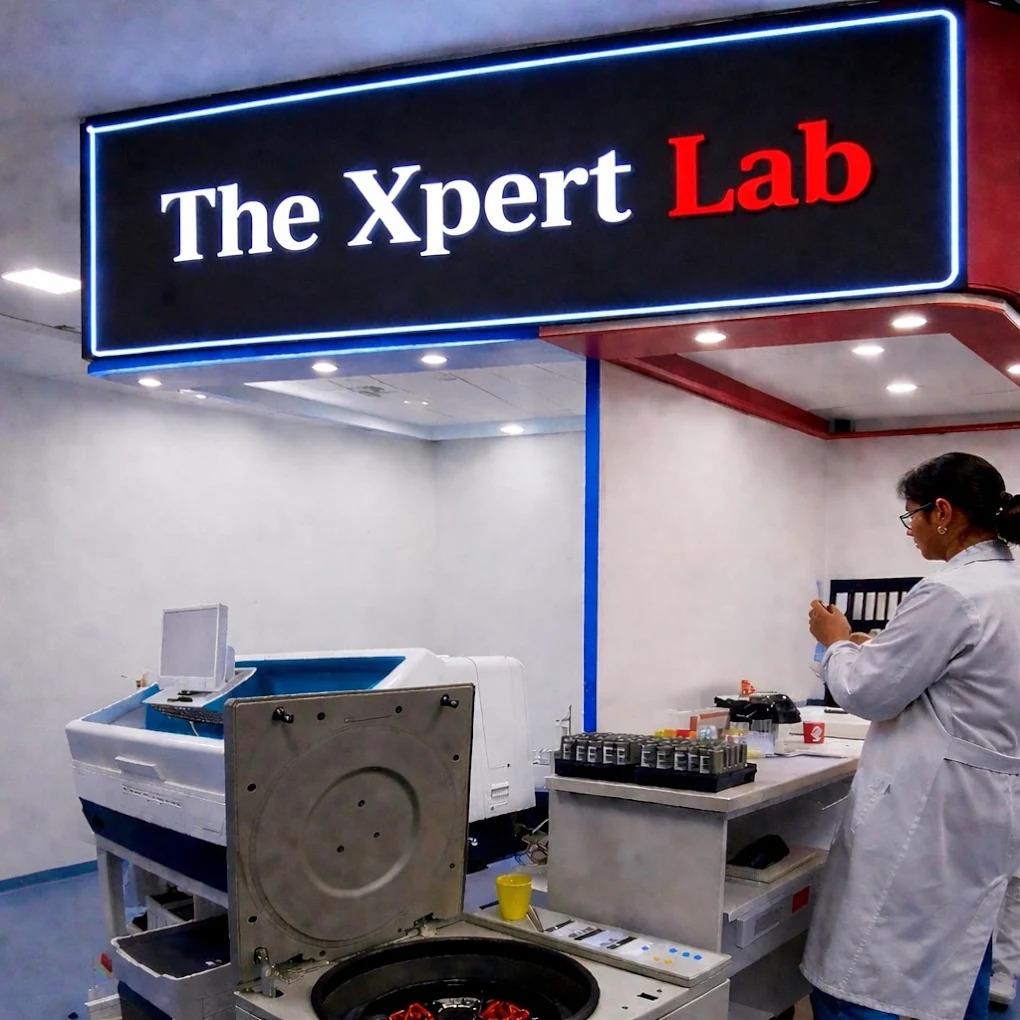
Staying healthy requires regular monitoring, a balanced lifestyle, and timely medical attention. Many health conditions develop gradually without noticeable symptoms, making routine diagnostic testing an essential part of preventive healthcare. Tests such as a Lipid Profile and Cholesterol Test in Faridabad help assess cardiovascular health by measuring different types of cholesterol and triglycerides in the blood. These tests can help identify potential risk factors for heart disease and guide decisions about diet, exercise, and medical treatment. Whether you are a young adult, a working professional, or an older individual, regular health assessments can help you understand your body's needs and take appropriate steps toward long-term wellness.
Why Is Early Disease Detection Important?
Early disease detection allows healthcare professionals to identify potential health problems before they progress or cause serious complications. Conditions such as diabetes, kidney disorders, high cholesterol, and certain infections may remain unnoticed during their initial stages. Diagnostic testing helps doctors investigate these concerns and recommend suitable treatment or preventive measures.
Regular medical checkups are particularly beneficial for people with a family history of chronic diseases, sedentary lifestyles, unhealthy eating habits, or existing medical conditions. However, the appropriate frequency of testing varies from person to person. Consulting a qualified healthcare professional helps determine which investigations are necessary based on your age, symptoms, medical history, and risk factors.
Essential Diagnostic Tests for Better Health
Different diagnostic tests provide valuable information about specific bodily functions. Understanding their purposes can help you make informed decisions about your healthcare.
1. Lipid Profile for Heart Health
A lipid profile measures total cholesterol, LDL cholesterol, HDL cholesterol, and triglycerides. These measurements help doctors evaluate cardiovascular risk and identify abnormal lipid levels that may require attention.
High cholesterol generally does not cause obvious symptoms. Regular testing is therefore useful for people with diabetes, high blood pressure, obesity, or a family history of cardiovascular disease. Depending on the results, a doctor may recommend dietary improvements, regular exercise, medication, or follow-up testing.
2. Urine Testing for Kidney and Urinary Health
Urine testing is a common diagnostic procedure used to assess urinary and kidney health. A routine urinalysis examines the appearance, chemical composition, and microscopic contents of urine. It can help detect possible urinary tract infections, blood or protein in the urine, dehydration, and other abnormalities.
If you experience burning during urination, frequent urination, unusual urine colour, or lower abdominal discomfort, your doctor may recommend a Urine Test in Faridabad. Additional tests, such as a urine culture or kidney function assessment, may be necessary depending on your symptoms.
Following proper sample collection instructions is important for obtaining reliable results. Your doctor can interpret the findings and determine whether further investigation or treatment is needed.
3. Beta HCG Test for Pregnancy Detection
The Beta HCG test measures human chorionic gonadotropin, a hormone associated with pregnancy. It is commonly recommended when pregnancy is suspected, menstrual periods are delayed, or early pregnancy requires medical evaluation.
A Beta HCG Test in Faridabad can help detect pregnancy by measuring the hormone in a blood sample. Quantitative testing provides a numerical measurement, which healthcare professionals may use alongside symptoms and ultrasound findings when assessing early pregnancy.
The timing of testing is important because testing too early may produce a negative result. If pregnancy remains possible, your doctor may recommend repeating the test after an appropriate interval.
How to Prepare for Medical Tests
Following the correct preparation instructions helps improve the reliability of diagnostic results. Before your appointment, consider these essential steps:
- Confirm fasting requirements: Some blood tests may require fasting, depending on the investigation and your doctor's instructions.
- Share medical information: Inform your healthcare professional about medications, supplements, existing conditions, and recent illnesses.
- Follow sample collection guidelines: Use the recommended method for collecting urine or other specimens.
- Stay hydrated appropriately: Follow the laboratory's instructions regarding water intake before testing.
- Discuss your reports: Avoid self-diagnosis and seek professional guidance when results fall outside the expected reference ranges.
Choosing a Diagnostic Laboratory in Faridabad
Selecting a suitable diagnostic laboratory is an important part of managing your health. Consider laboratory hygiene, sample handling procedures, qualified personnel, transparent pricing, and timely reporting when comparing available services.
Clear instructions, convenient appointment scheduling, and reliable communication can make the testing process easier. Always choose a provider that follows appropriate quality standards and encourages consultation with a healthcare professional when results require further evaluation.
Conclusion
Routine diagnostic testing supports early disease detection and helps individuals make informed healthcare decisions. From monitoring cholesterol levels to evaluating urinary health and detecting pregnancy, appropriate investigations can provide valuable information about your body's condition. If you experience persistent fever, weakness, abdominal discomfort, or other concerning symptoms, consult a doctor for an appropriate evaluation. When typhoid fever is suspected, a Typhoid Widal Test in Faridabad may be recommended as part of the diagnostic process, although its results have limitations and must be interpreted alongside clinical findings and other appropriate investigations. Combining regular checkups with healthy habits and professional medical guidance can help you protect your health and work toward a healthier future.

 English
 Arabic
 French
 Spanish
 Portuguese
 Deutsch
 Turkish
 Italiano
 Russian
 Romaian
 Portuguese (Brazil)
 Greek
Greek
