


Choosing Pneumatic Slide Cylinders for Practical Industrial Applications
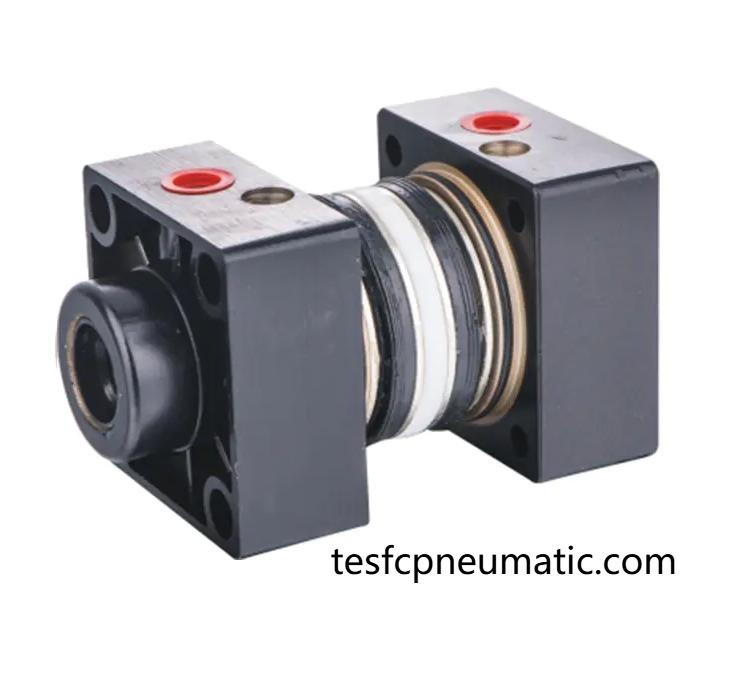
In automated machinery, moving a component along a controlled path requires more than a basic pushing or pulling action. A Pneumatic Slide Cylinder combines pneumatic actuation with a guided movement structure, helping equipment carry out positioning, transferring, clamping, and handling tasks within a production process. Its value depends on how well the actuator, guide mechanism, mounting arrangement, and control system work together. Understanding these elements allows equipment designers and purchasing teams to evaluate the component according to the needs of the application rather than treating it as an interchangeable part.
Material selection influences the stability, durability, and maintenance of a guided cylinder. Aluminum alloy is commonly considered for actuator bodies where a balance between structural strength and manageable weight is important. Steel may be used in guide elements, mounting parts, or other components that need to withstand repeated contact and mechanical stress. Stainless steel can be appropriate for selected parts when corrosion resistance or a particular working environment is a concern. Seals and other internal components also require careful consideration because they help maintain pneumatic pressure and support smooth movement. The right material combination depends on factors such as surrounding conditions, expected contact, lubrication practices, and exposure to contaminants. Buyers should consider the complete assembly instead of judging material quality by the outer body alone.
Selecting a suitable model begins with examining the actual movement required by the machine. Buyers should identify the object being moved, its shape, how it is supported, and whether the operation involves pushing, lifting, positioning, or transferring. They should also consider the available installation space, mounting orientation, connection layout, and relationship between the moving assembly and nearby equipment. A guided actuator may be useful when the application requires more support against unwanted movement than a basic cylinder can provide. However, the guide structure must match the direction of travel and the demands of the working process. Discussing these details with a supplier can help narrow the available choices and prevent difficulties during installation or later operation.
The working principle combines compressed-air actuation with mechanical guidance. Air enters the cylinder through its pneumatic connections and drives the internal piston, creating linear movement. The guide mechanism supports the moving section and helps maintain its intended travel path. Depending on the design, guide rods, sliding elements, bearings, and mounting plates may contribute to the stability of the assembly. These components are particularly relevant when the machine must move a fixture or workpiece while limiting unwanted rotation or lateral movement. The actuator and guide system must be selected as a compatible unit because the guidance arrangement influences how external forces are managed. Appropriate valves, tubing, air preparation, and control logic also help the cylinder operate as part of a coordinated automation system.
The operator experience depends on how easily the cylinder can be installed, adjusted, inspected, and incorporated into routine work. Accessible air connections can simplify hose routing, while a logical mounting arrangement helps technicians position the component within a machine frame. When the cylinder works with sensors or automated controls, clear coordination between movement and the surrounding equipment can make the process easier to monitor. Maintenance planning is equally important. Regular checks of fasteners, guide surfaces, seals, air connections, and signs of wear can help identify developing problems before they interfere with production. Clean air, suitable lubrication where required, and alignment with the manufacturer's installation guidance also contribute to reliable operation. Safety procedures should account for unexpected movement and stored pneumatic energy during inspection or servicing.
Design and appearance influence how a guided cylinder fits into a complete machine. A compact body can help equipment designers organize components in confined workspaces, while a well-arranged guide structure may simplify the layout of fixtures and moving platforms. Mounting faces, connection positions, and the shape of the moving plate can affect how conveniently the actuator connects with adjacent mechanisms. A clean exterior finish may also make routine inspection easier by helping technicians notice dirt accumulation, damage, or loose connections. Yet appearance should not outweigh functional compatibility. The most suitable design is one that provides the required movement, integrates with the machine structure, and leaves sufficient access for operation and maintenance.
For manufacturers developing assembly equipment, packaging machinery, handling systems, or customized automation stations, component compatibility is an important part of the planning process. Zhejiang Feishengya Pneumatic Components Co., Ltd. supplies pneumatic components, including guided cylinder solutions designed for linear-motion applications. When evaluating a cylinder, businesses can discuss the working environment, mounting requirements, moving load, guidance needs, and control arrangements with the supplier. These details help establish whether a particular construction is appropriate for the intended task and how it may connect with the wider pneumatic system. Further information about the company's pneumatic products and component options is available at https://www.tesfcpneumatic.com/.

 English
 Arabic
 French
 Spanish
 Portuguese
 Deutsch
 Turkish
 Dutch
Dutch
 Italiano
 Russian
 Romaian
 Greek
Greek
