


Sigma Blast Pipe Manufacturers in India
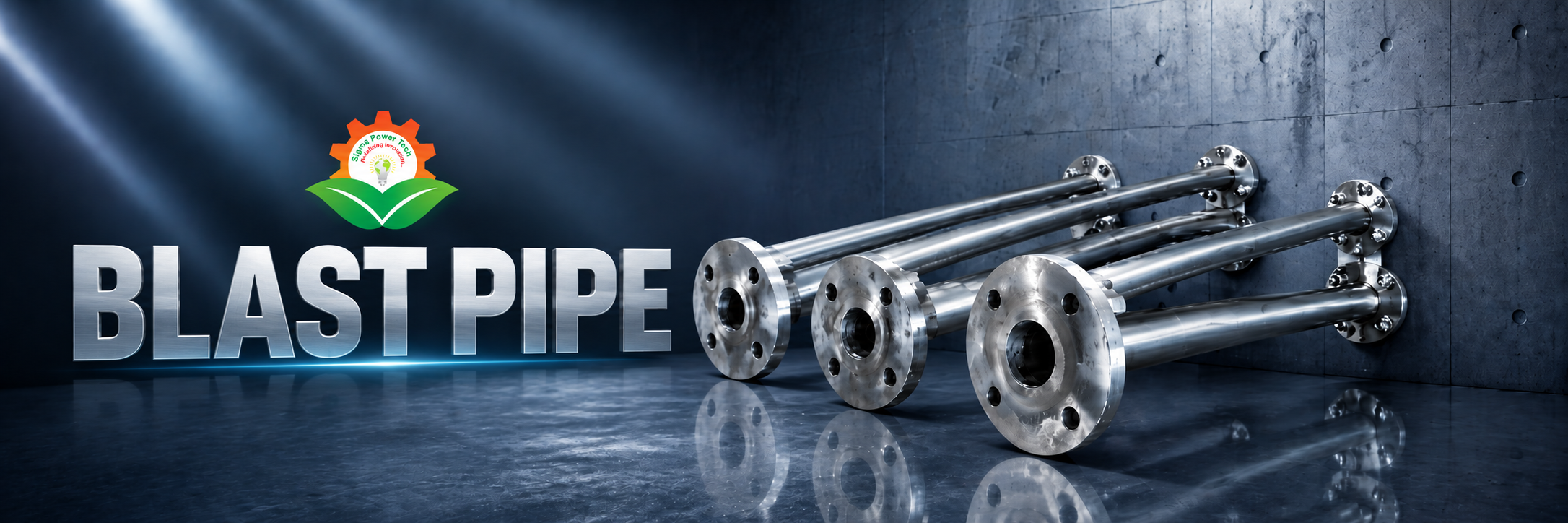
A petrochemical processing facility is completing the installation of a blast-protected control room located near high-risk production units. Every structural component has been carefully engineered, but the project team spends extra time inspecting each Blast Pipe that passes through the reinforced walls. They understand that even the strongest ventilation system can become a weak point if the blast pipe is poorly designed or incorrectly installed. In facilities where explosions are a potential risk, the performance of blast-resistant ventilation components can make a significant difference in protecting people, equipment, and critical operations.
Understanding the factors that influence blast-resistant pipe performance helps engineers, consultants, and facility owners make informed decisions that improve both safety and long-term reliability.
What is a Blast Pipe?
A blast Pipe is a specially engineered steel component that allows ventilation ducts to safely pass through blast-resistant walls without reducing their structural strength. Unlike standard industrial ducting, it is specifically designed to withstand explosion pressure while protecting the integrity of the surrounding structure.
A Blast Resistant Pipe reinforces vulnerable wall penetrations and provides a secure path for airflow, ensuring that protective ventilation systems continue operating even under extreme conditions.
Its role extends beyond ventilation, making it an essential element of a complete blast protection strategy.
How Blast Pipes Perform During an Explosion
When an explosion occurs, an intense pressure wave travels through nearby structures. Ventilation openings are naturally vulnerable because they interrupt the continuity of reinforced walls.
A properly engineered blast pipe exhaust is designed to absorb and distribute these blast loads across its reinforced steel construction. Rather than allowing pressure to concentrate around the wall opening, it spreads the forces more evenly, helping maintain structural integrity and reducing the likelihood of cracking or failure.
This engineered load distribution protects both the ventilation system and the building, allowing critical operations to continue after a blast event.
Key Factors That Affect Blast Resistant Pipe Performance
Several engineering and installation factors determine how effectively a blast-resistant pipe performs during an explosion.
Material Quality
High-grade structural steel provides the strength and toughness required to withstand repeated blast loading without permanent deformation or premature failure.
Wall Thickness
Proper wall thickness plays a major role in resisting blast pressure. Pipes that are too thin may deform, while unnecessarily thick designs can increase costs without delivering proportional benefits.
Manufacturing Precision
Accurate fabrication ensures the pipe fits securely within blast-resistant walls and maintains consistent structural performance throughout its service life.
Installation Quality
Even a well-designed blast pipe can underperform if installed incorrectly. Proper anchoring, alignment, and integration with surrounding structures are essential.
Corrosion Resistance
Protective coatings help maintain long-term structural integrity, particularly in chemical plants, coastal environments, and humid industrial facilities.
A professionally engineered Sigma Power Tech Blast Pipe is designed by considering all of these performance factors to deliver reliable protection in demanding environments.
Integration with Complete Ventilation Protection Systems
A blast pipe delivers maximum effectiveness when integrated into a complete protected ventilation system.
It commonly works together with:
- Blast valves that automatically isolate incoming pressure waves
- Gas-tight valves that prevent contaminated air infiltration
- CBRN filtration systems that remove hazardous airborne contaminants
- Protected HVAC and air handling systems
Together, these components provide safe airflow while protecting occupants and equipment during blast or contamination events.
Where Blast Resistant Pipes are Used
Blast-resistant pipes are installed in facilities where explosion protection and secure ventilation are mission critical.
Typical applications include:
- Military bases and defense installations
- Underground bunkers and emergency shelters
- Nuclear power plants
- Thermal and hydroelectric generating stations
- Oil and gas facilities
- Chemical processing plants
- Petrochemical refineries
- Government security infrastructure
- Critical industrial manufacturing facilities
Each installation requires engineering solutions based on project-specific blast loads, ventilation requirements, and structural design.
Factors That Affect Blast Pipe Pricing
Several technical considerations influence the cost of blast-resistant pipes.
Major pricing factors include:
- Steel grade and material quality
- Pipe diameter and length
- Wall thickness
- Required blast pressure rating
- Protective coatings
- Manufacturing precision
- Engineering certifications
- Custom fabrication requirements
Although lower-cost alternatives may appear attractive, investing in properly engineered products often results in lower lifecycle costs and improved operational reliability.
Choosing Reliable Blast Pipe Manufacturers in India
Selecting experienced Blast Pipe Manufacturers in India is essential for achieving dependable performance.
Before selecting a manufacturer, evaluate whether they provide:
- Expertise in blast protection engineering
- Advanced manufacturing capabilities
- Custom engineering solutions
- Technical support during design and installation
- Compatibility with complete ventilation systems
- Product testing, documentation, and quality assurance
Experienced manufacturers understand the demanding requirements of blast-resistant infrastructure and can recommend solutions suited to each project.
Common Mistakes to Avoid
Several procurement and design errors can significantly reduce system performance.
Avoid these common mistakes:
- Installing conventional industrial pipes instead of engineered blast-resistant components
- Ignoring reinforcement requirements for wall penetrations
- Choosing products based solely on purchase price
- Overlooking compatibility with blast valves and filtration systems
- Failing to verify engineering specifications or testing documentation
- Not involving blast protection specialists during project planning
Addressing these issues early improves both safety and long-term performance.
Improve Your Facility's Safety
If your facility includes protected ventilation systems, now is an excellent opportunity to review your facility's ventilation safety setup and verify that every component is designed for blast protection.
You should also consider upgrading your blast protection systems if existing infrastructure no longer aligns with current engineering standards.
To stay informed about modern blast protection technologies and best engineering practices, explore more safety insights before planning your next infrastructure project.
Conclusion
The performance of a Blast Resistant Pipe depends on far more than its size or material. Factors such as steel quality, wall thickness, manufacturing precision, installation practices, corrosion resistance, and system integration all influence its ability to protect facilities during an explosion.
Whether installed in defense facilities, nuclear plants, chemical processing units, refineries, or underground shelters, a properly engineered blast pipe strengthens structural integrity and supports reliable protected ventilation. By working with experienced Blast Pipe Manufacturers in India and selecting trusted solutions such as the Sigma Power Tech Blast Pipe, organizations can reduce operational risk, improve infrastructure resilience, and ensure long-term protection where safety is critical.

 English
 Arabic
 French
 Spanish
 Portuguese
 Deutsch
 Turkish
 Dutch
Dutch
 Italiano
 Romaian
 Portuguese (Brazil)
 Greek
Greek
