


Lymphatic Massage in Riyadh for a Relaxing and Restorative Experience
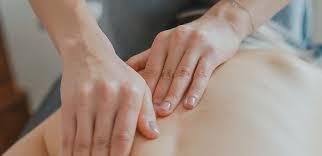
Lymphatic massage is a gentle massage technique designed to encourage the movement of lymph fluid through the body's lymphatic system. It has gained attention among people interested in relaxation, swelling management, and supportive wellness treatments. In Riyadh, interest in lymphatic massage reflects a growing desire for personalized body care and restorative experiences that complement a healthy lifestyle.
Understanding how lymphatic massage works, who may benefit from it, and what to expect during a session can help individuals make informed decisions. Whether you are exploring lymphatic drainage for general wellness or seeking professional guidance for swelling, learning about the treatment is an important first step.
What Is Lymphatic Massage?
Lymphatic massage, also known as manual lymphatic drainage, is a specialized technique that uses slow, gentle, and rhythmic movements to support the flow of lymph fluid. The lymphatic system is part of the body's immune and fluid-balance network. It transports lymph, which contains fluid and immune cells, through a network of vessels and lymph nodes.
Unlike traditional massage, which may involve deeper pressure to address muscle tension, lymphatic massage generally uses light pressure and carefully directed movements. The approach follows the natural pathways of lymphatic circulation rather than focusing primarily on muscles.
People searching for Lymphatic Massage in Riyadh may encounter different massage techniques and wellness services. It is important to understand that proper manual lymphatic drainage is a specialized method, and the appropriate approach depends on an individual's needs and health history.
How Does Lymphatic Drainage Massage Work?
The lymphatic system helps maintain fluid balance by collecting excess fluid from body tissues and returning it to the bloodstream. Lymph nodes filter lymph and contribute to immune function. When lymphatic circulation is impaired, fluid can accumulate in certain areas, potentially causing swelling known as lymphedema.
Manual lymphatic drainage uses light, repetitive movements to encourage lymph movement toward functioning lymphatic pathways. A trained professional assesses the relevant areas and applies a technique suited to the person's circumstances.
The treatment does not directly remove toxins from the body or replace the normal functions of the liver and kidneys. Instead, its principal therapeutic purpose is to support lymphatic fluid movement when clinically appropriate. Understanding this distinction helps people evaluate wellness claims and choose evidence-informed treatments.
Potential Benefits of Lymphatic Massage
The benefits of lymphatic massage depend on the reason for treatment, the person's health, and the technique used. It is particularly relevant in certain cases of lymphatic dysfunction, while evidence for broader wellness claims is more limited.
Supporting Swelling Management
Manual lymphatic drainage may help manage swelling associated with lymphedema and selected medical conditions. It is sometimes included in a broader treatment plan involving compression garments, exercise, skin care, and professional monitoring.
People experiencing persistent swelling should obtain a medical assessment before beginning massage. Swelling can have several causes, and identifying the underlying condition is essential for appropriate care.
Encouraging Relaxation
The slow, gentle movements used during lymphatic massage may create a calming experience. Some people find the treatment relaxing and appreciate the quiet, restorative environment in which it is performed.
Relaxation can support general wellbeing, but individual experiences vary. Lymphatic massage should not be presented as a guaranteed treatment for stress, sleep problems, or other medical conditions.
Supporting Postoperative Care
In some circumstances, healthcare professionals may recommend manual lymphatic drainage as part of postoperative care, particularly when swelling is present. However, the suitability and timing of treatment depend on the procedure, healing progress, and the surgeon's instructions.
Anyone considering lymphatic massage after surgery should receive approval from their treating clinician. Massage should not be used to replace follow-up appointments or other prescribed recovery measures.
Improving Awareness of Body Care
Learning about lymphatic health can encourage people to pay attention to hydration, movement, skin care, and changes in swelling. These habits can complement an appropriate treatment plan, although they do not guarantee improved lymphatic function.
Why Consider Lymphatic Massage in Riyadh?
Riyadh offers a range of wellness and personal care options for people seeking relaxation and specialized massage treatments. Individuals researching Lymphatic Massage in Riyadh may want to understand the available techniques, the qualifications of the practitioner, and whether the treatment suits their particular needs.
A well-informed decision begins with identifying the purpose of the session. Someone seeking relaxation may have different needs from a person managing diagnosed lymphedema or recovering from surgery. In medical situations, a qualified healthcare professional can help determine whether manual lymphatic drainage is appropriate.
It is also useful to ask about the practitioner's training, hygiene practices, assessment process, and aftercare recommendations. Choosing a provider based on appropriate qualifications and clear communication is more important than relying on broad promises about detoxification or rapid body changes.
Lymphatic Massage in Saudi Arabia: What to Expect
Interest in Lymphatic Massage in Saudi Arabia extends to people looking for gentle, specialized approaches to body care. Although the precise experience varies by provider and treatment purpose, a session generally begins with a discussion of health history, current concerns, and treatment goals.
Before the Session
The practitioner may ask about previous surgeries, existing medical conditions, medications, and areas of swelling. This information helps identify circumstances in which massage may require medical approval or should be avoided.
Wear comfortable clothing and share any concerns before treatment begins. If you have unexplained swelling, a history of blood clots, active infection, or a significant heart or kidney condition, seek medical advice before arranging a session.
During the Session
Manual lymphatic drainage typically involves gentle, rhythmic movements applied to selected areas of the body. The practitioner may begin by addressing relevant lymphatic pathways before working on the area of concern.
The pressure should generally remain light. Lymphatic massage is not intended to be painful, and stronger pressure does not necessarily produce better results. Communicate immediately if you experience discomfort, dizziness, or any unusual symptoms.
After the Session
Some individuals feel relaxed after treatment, while others may notice little immediate difference. Results depend on the underlying reason for massage, the severity of any swelling, and the wider treatment plan.
Follow the practitioner's guidance and any instructions provided by your healthcare professional. Do not assume that temporary changes in body measurements indicate lasting fat loss or detoxification.
Who May Benefit From Lymphatic Massage?
Manual lymphatic drainage may be appropriate for people with certain forms of lymphatic swelling when recommended by a qualified professional. It may also be considered within supervised recovery plans when a treating clinician determines that it is suitable.
However, lymphatic massage is not appropriate for everyone. People with suspected blood clots, acute infections, uncontrolled heart failure, or certain kidney conditions may need to avoid treatment or receive specific medical guidance. New or unexplained swelling requires assessment rather than self-treatment.
For general relaxation, individuals should understand that lymphatic massage is a specialized technique and not necessarily more beneficial than other suitable relaxation practices. The best choice depends on personal goals, medical history, and professional advice.
How to Choose the Right Lymphatic Massage Treatment
Selecting a suitable treatment involves more than finding a service described as lymphatic drainage. The practitioner should understand lymphatic anatomy, recognize contraindications, and adapt the technique to the individual's needs.
Ask whether the practitioner has specific training in manual lymphatic drainage and experience relevant to your concerns. If treatment is intended to address a medical condition, consider a healthcare professional with appropriate clinical expertise.
Look for clear explanations of expected benefits, limitations, potential risks, and aftercare. Be cautious of claims promising guaranteed detoxification, permanent weight loss, or immediate treatment of complex medical conditions. A responsible provider will explain when medical assessment is necessary and will not discourage appropriate healthcare.
Frequently Asked Questions
What Is the Main Purpose of Lymphatic Massage?
The main purpose of manual lymphatic drainage is to encourage lymph fluid movement using gentle, rhythmic techniques. It may help manage certain types of swelling when used appropriately and can also provide a relaxing experience.
Is Lymphatic Massage in Riyadh Suitable for Everyone?
No. Suitability depends on medical history, current symptoms, and treatment goals. People with unexplained swelling, suspected blood clots, acute infections, or significant heart or kidney conditions should obtain medical advice before treatment.
How Long Does a Lymphatic Massage Session Take?
Session length varies according to the technique, the areas being treated, and the individual's needs. The practitioner should explain the planned duration during the initial consultation rather than promise a standard result for everyone.
Can Lymphatic Massage Help With Swelling?
It may help manage some forms of swelling, particularly lymphedema, as part of an appropriate treatment plan. However, swelling can have many causes, so medical assessment is important before starting treatment.
What Is the Difference Between Lymphatic Massage and Traditional Massage?
Lymphatic massage uses light, rhythmic movements intended to support lymph flow. Traditional massage often focuses on muscles, tension, and soft tissues and may involve deeper pressure. The techniques serve different purposes.
Is Lymphatic Massage in Saudi Arabia a Detox Treatment?
Lymphatic massage supports lymph fluid movement but does not provide a proven general detoxification effect. The liver and kidneys perform essential waste-processing functions, and massage should not be viewed as a substitute for their normal activity or for medical care.
Conclusion
Lymphatic massage can be a useful option for selected swelling-management needs and may offer a gentle, relaxing body-care experience. Understanding its purpose, potential benefits, limitations, and safety considerations allows individuals to make informed choices. Professional qualifications, appropriate screening, and realistic expectations are essential when selecting a treatment.
For people exploring Lymphatic Massage in Riyadh or learning about Lymphatic Massage in Saudi Arabia, the priority should be finding an approach that aligns with their health needs and personal goals. Enfield Royal Clinic Saudi can be considered as a starting point for exploring available treatment information, with prospective patients encouraged to confirm the current services, practitioner qualifications, and suitability of any proposed treatment before proceeding.

 English
 Arabic
 French
 Spanish
 Portuguese
 Deutsch
 Turkish
 Italiano
 Russian
 Romaian
 Portuguese (Brazil)
 Greek
Greek
