


Quality Considerations for Petroleum Handling Systems
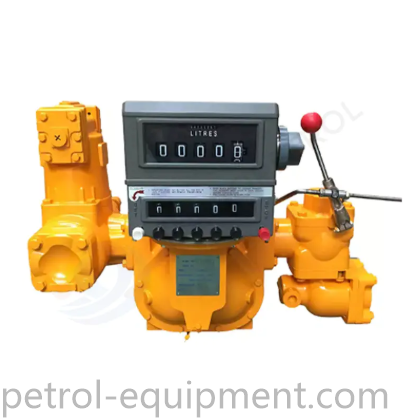
Petroleum operations require dependable systems for moving, storing, and managing liquid fuels under a variety of working conditions. Fuel Handling Equipment supports these activities by helping operators control the movement of fuel between storage facilities, vehicles, processing areas, and designated delivery points. For commercial fuel businesses and industrial facilities, suitable equipment can contribute to organized workflows, consistent operation, and safer handling practices. Selecting the right solution requires attention to the application, equipment construction, material compatibility, installation conditions, and maintenance procedures.
Different fuel-handling tasks create different equipment requirements. A fixed installation may prioritize stable connections and long-term serviceability, while a mobile system may need to accommodate vibration, movement, and frequent connection changes. Storage-related operations may place greater emphasis on sealing integrity and environmental protection. Understanding the intended task allows purchasing teams to assess which equipment characteristics are most important and helps avoid choosing products that do not fit the actual working environment.
Material compatibility is central to equipment reliability. Petroleum products vary in composition, and materials that perform well in one application may not be appropriate for another. Manufacturers need to consider the intended fluid, operating conditions, mechanical loads, and exposure to the surrounding environment when selecting metals, seals, and other construction materials. Properly selected materials help maintain structural integrity and reduce the risk of deterioration caused by incompatible fluids or unsuitable environmental conditions.
The quality of manufacturing processes can influence both performance and service life. Components may require accurate machining, controlled forming, appropriate surface finishing, and careful assembly. Connection surfaces and sealing areas need particular attention because defects or dimensional inconsistencies may affect installation and create potential leakage points. Manufacturers that apply consistent production controls can reduce variation between batches, helping distributors and equipment integrators maintain predictable purchasing and replacement processes.
Sealing performance is especially important wherever fuel passes through connected equipment. Seals must be suitable for the fluid and conditions in which they operate. Their effectiveness can be influenced by material selection, installation quality, surface condition, and repeated mechanical movement. Buyers should therefore consider the design of sealing interfaces as well as the compatibility of associated connections. Proper installation and scheduled inspection can help identify deterioration before it affects normal operation.
Equipment layout and accessibility also deserve consideration. Operators need to access relevant connections, valves, inspection points, and service areas without creating unnecessary difficulty during routine work. A well-planned installation can make normal operating procedures easier to follow and simplify maintenance activities. When selecting products for a new facility or upgrading an existing system, businesses should evaluate how the equipment will interact with surrounding structures and other installed components.
Safety management extends beyond the physical equipment. Fuel handling procedures should address appropriate operation, inspection, storage, spill prevention, and response to abnormal conditions. Equipment should be used within its intended limits and maintained according to relevant manufacturer instructions. Personnel should understand the correct operating sequence and know how to identify visible damage, unusual leakage, loose connections, or changes in performance. Clear procedures and appropriate training help reduce avoidable operating risks.
Environmental exposure can affect equipment throughout its working life. Outdoor installations may encounter rain, dust, temperature variation, and corrosive conditions, while mobile applications may experience vibration and repeated physical contact. Protective finishes, suitable housing materials, and appropriate installation methods can help address these challenges. Equipment selection should reflect the actual environment rather than relying on appearance alone as an indication of durability.
Preventive maintenance supports consistent operation. Inspection schedules may include checking connection integrity, seals, external surfaces, moving parts, and areas vulnerable to wear. Cleaning should follow suitable procedures to avoid damaging components or introducing contaminants into the system. When replacement is necessary, compatible parts should be selected according to the equipment design. Recording inspection results and maintenance actions helps businesses track recurring issues and make better-informed service decisions.
Procurement teams should also evaluate supplier reliability. Relevant factors include manufacturing experience, consistency between orders, quality inspection procedures, technical communication, and the ability to clarify application requirements. Documentation can help customers confirm whether equipment is suitable for the intended system. For businesses managing multiple facilities or purchasing through distributors, a supplier with organized production and communication processes can simplify coordination and long-term sourcing.
In demanding petroleum applications, selecting appropriate Fuel Handling Equipment requires a balanced assessment of safety, material suitability, manufacturing consistency, installation, and maintenance. HAIBO supports businesses seeking petroleum equipment solutions for practical industrial and commercial applications. Companies reviewing equipment options for their operations can visit https://www.petrol-equipment.com/product/petrol-chemical-tank-truck-parts/ to explore related products and identify solutions relevant to their requirements.

 English
 Arabic
 French
 Spanish
 Portuguese
 Turkish
 Dutch
Dutch
 Italiano
 Russian
 Romaian
 Portuguese (Brazil)
 Greek
Greek
