


Aluminum Welding Wire ER5087 for Advanced Fabrication
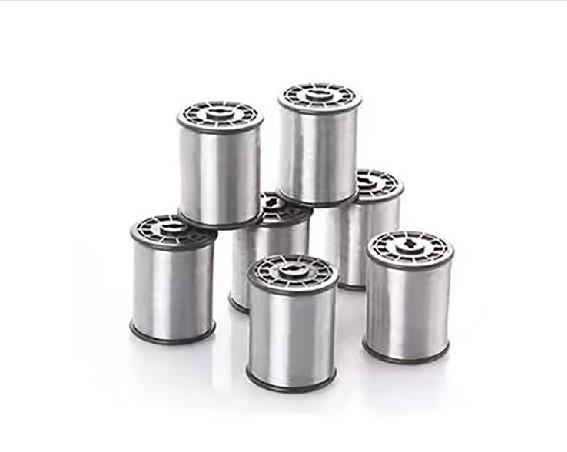
Modern aluminum fabrication requires filler materials that balance mechanical strength, dependable weld quality, and compatibility with demanding applications. When manufacturers evaluate Aluminum Welding Wire ER5087 , they often focus on projects involving magnesium-containing aluminum alloys and structures exposed to challenging service conditions. Selecting Aluminum Welding Wire ER5087 requires attention to base-metal composition, joint design, welding methods, and the performance standards expected from the finished product. Understanding these factors helps fabricators make informed material choices and establish a more consistent production process.
Understanding Material Compatibility
Choosing a suitable filler alloy starts with identifying the base material and its intended application. ER5087 is an aluminum-magnesium filler alloy used in selected welding applications where mechanical properties and structural performance are important considerations. Its suitability depends on the specific alloys being joined, the required joint properties, and the applicable welding specifications.
Material compatibility should be assessed before production begins. Engineers need to consider the base alloy, thickness, joint configuration, service environment, and relevant design requirements. A filler metal that performs well in one assembly may not be the best choice for another, even when both involve aluminum.
Reviewing technical data sheets and applicable material standards helps establish whether the proposed filler meets project requirements. This preparation can reduce avoidable material-selection errors and provide a sound foundation for procedure qualification.
Supporting Marine Construction Requirements
Marine fabrication presents several challenges, including exposure to moisture, saltwater, cyclic loading, and changing environmental conditions. Aluminum is often selected for marine structures because its relatively low density can help reduce weight while supporting efficient vessel design.
For suitable aluminum alloys and qualified procedures, ER5087 may be considered for particular marine welding applications. However, the performance of a completed joint depends on more than filler-metal selection. Joint geometry, weld quality, corrosion protection, fatigue resistance, and the compatibility of connected materials must all be evaluated.
Fabricators should follow the applicable marine construction standards and engineering specifications when choosing materials. In demanding environments, appropriate inspection and maintenance planning are also important. A carefully selected filler alloy, combined with sound design and controlled production practices, can contribute to dependable welded structures.
Improving Process Consistency and Weld Quality
A consistent welding process begins with clean materials and properly prepared joint surfaces. Aluminum naturally forms an oxide layer, and surface contamination can affect weld quality if preparation is inadequate. Following approved cleaning and handling procedures helps create more predictable welding conditions.
Operators should use qualified welding procedures that define the appropriate process settings, shielding gas, wire feed speed, travel speed, and heat input. These parameters must match the base material, thickness, and joint configuration. Uncontrolled adjustments can lead to inconsistent penetration, distortion, or other weld imperfections.
Inspection procedures should reflect the importance and intended use of the component. Visual inspection may identify surface defects, while additional testing can be required by project specifications. Recording material batches and welding parameters also supports traceability and makes it easier to investigate production issues.
Kunliwelding Materials for Industrial Applications
Industrial buyers typically evaluate welding wire according to technical specifications, supply consistency, packaging, and documentation. They may also need confirmation of alloy classification, batch identification, and compliance with purchasing requirements.
When sourcing ER5087, buyers should provide details about the base alloy, welding process, component design, and applicable standards. This information helps clarify the intended use and identify which product documentation is necessary. Where a project has strict mechanical or inspection requirements, engineering approval and procedure qualification remain essential.
Clear communication between purchasing teams, engineers, and suppliers can also help prevent delays. Confirming product availability, order quantities, packaging conditions, and delivery schedules supports more effective material planning, especially for large fabrication projects with multiple production stages.
Making an Informed Filler Metal Choice
The most appropriate filler wire is the one that satisfies the project’s technical requirements and works reliably within its approved welding procedure. Buyers should compare material specifications carefully instead of relying on a single performance claim. Strength, corrosion exposure, fatigue loading, fabrication conditions, and inspection requirements all influence the final decision.
Manufacturers can improve purchasing confidence by reviewing technical documentation, checking storage recommendations, and retaining material records throughout production. Regular communication with welding engineers and quality personnel helps ensure that material selection remains aligned with the finished structure’s requirements.
For businesses researching aluminum welding materials for marine, transportation, and industrial fabrication, visit https://www.kunliwelding.com/ to explore product information and identify options suited to specific welding applications.

 English
 Arabic
 French
 Portuguese
 Deutsch
 Turkish
 Dutch
Dutch
 Italiano
 Russian
 Romaian
 Portuguese (Brazil)
 Greek
Greek
