


Are Dental Activators Suitable for Growing Children?
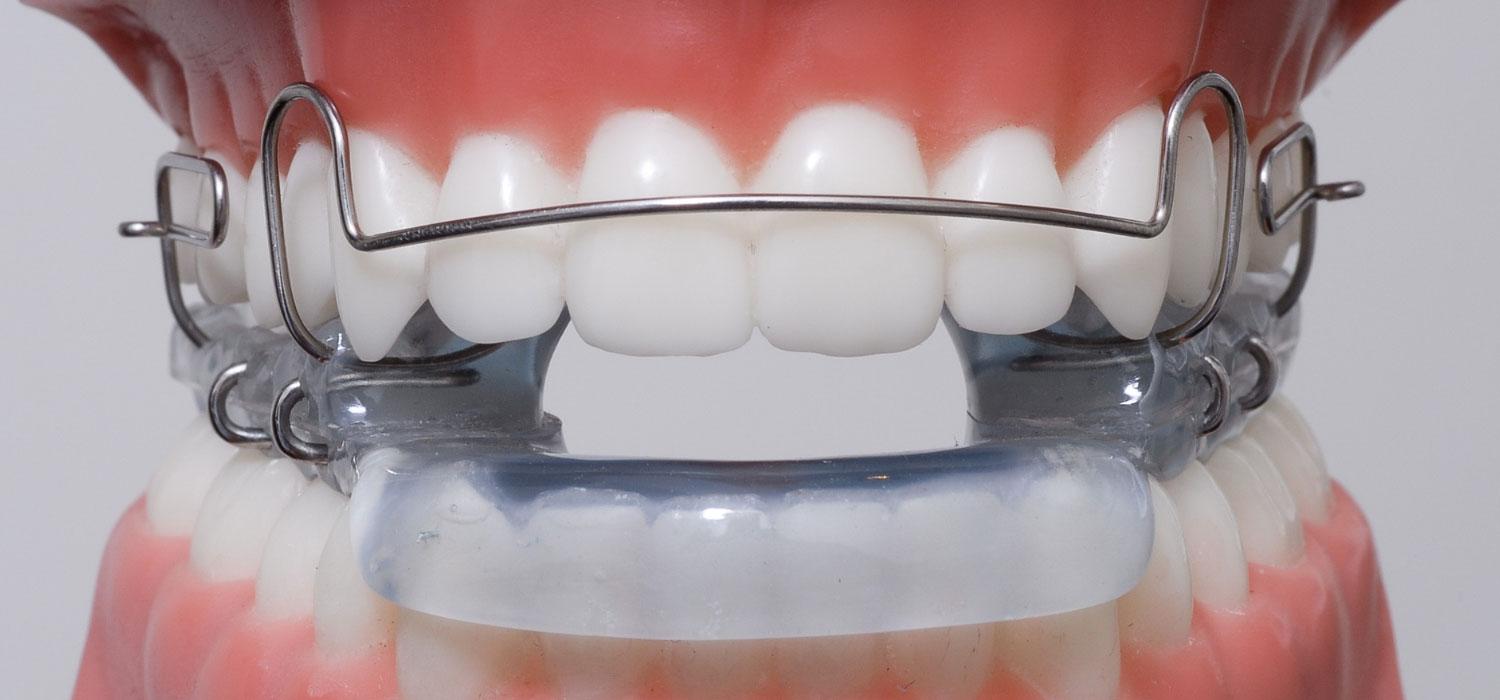
A child’s smile develops gradually, and the growth of the teeth and jaws plays an important role in long-term oral health. During childhood, certain orthodontic concerns can be easier to manage because the jawbones are still developing. Dental Activators in Dubai are one orthodontic option that may help guide jaw growth, improve the relationship between the upper and lower teeth, and support better bite alignment in suitable young patients. However, whether this appliance is appropriate depends on the child’s age, dental development, bite pattern, and individual orthodontic needs. Understanding how dental activators work can help parents make informed decisions about their children’s dental care.
What Are Dental Activators?
Dental activators are removable orthodontic appliances designed to influence the relationship between the jaws as a child grows. They are often used in certain cases involving bite problems, particularly when the lower jaw appears positioned farther back than the upper jaw.
Unlike traditional braces, which primarily move individual teeth into better positions, an activator works by holding the jaw in a planned position. This can encourage favorable changes in jaw function and support improved bite development during the growing years.
How Do Dental Activators Work?
A dental activator typically fits over the teeth of both the upper and lower arches. Its design encourages the child to close the mouth in a specific position determined by the orthodontist.
Depending on the appliance and the child’s needs, treatment may help improve the relationship between the jaws and reduce certain bite discrepancies. The results depend on several factors, including growth patterns, consistency of use, and the type and severity of the orthodontic problem.
Why Can Dental Activators Be Helpful for Growing Children?
Childhood is an important period for orthodontic assessment because the jaws are still developing. Early evaluation can help identify problems that may benefit from treatment before growth is complete.
Supporting Better Jaw Alignment
Some children develop an uneven relationship between the upper and lower jaws. This can affect their bite, facial balance, and the way their teeth meet when chewing. In selected cases, an activator may help guide jaw development and improve the bite relationship.
However, these appliances are not suitable for every jaw alignment problem. An orthodontist must determine whether the child’s specific condition is likely to respond to functional appliance treatment.
Improving Certain Bite Problems
Dental activators are commonly associated with the treatment of some forms of Class II malocclusion, where the upper teeth or jaw are positioned ahead of the lower teeth or jaw. In growing children, an activator may help improve the relationship between the dental arches.
The appliance may also be considered when the orthodontist identifies a suitable growth-related correction. Other concerns, such as crowding or complex tooth positioning, may require additional orthodontic treatment.
Encouraging Balanced Dental Development
When the jaws meet more favorably, children may experience improvements in how their teeth fit together. Proper bite development can support everyday activities such as biting and chewing.
Nevertheless, dental activators do not guarantee perfectly aligned teeth or eliminate the need for braces later. Treatment goals should be realistic and based on the child’s individual dental development.
At What Age Can Children Use Dental Activators?
There is no single age that is appropriate for every child. The ideal time to consider an activator depends more on dental maturity, jaw growth, and the specific orthodontic concern than on age alone.
Why Growth Stage Matters
Functional appliances often work best when a child has sufficient remaining jaw growth for the intended correction. An orthodontist may assess the child’s teeth, bite, jaw relationship, and growth stage before recommending treatment.
An early consultation can help parents understand whether treatment should begin immediately or whether monitoring the child’s development would be more appropriate.
What Should Parents Consider Before Treatment?
Although dental activators can be useful for selected children, successful treatment requires careful planning and cooperation.
Comfort and Daily Wear
Because activators are generally removable, children need to follow the orthodontist’s instructions regarding when and how long to wear the appliance. Some initial discomfort, increased saliva, or temporary changes in speech may occur while the child adjusts.
Parents can help by encouraging consistent use, keeping the appliance clean, and attending scheduled follow-up appointments.
Oral Hygiene and Appliance Care
Good oral hygiene remains essential throughout orthodontic treatment. Children should brush their teeth regularly and clean the appliance according to professional instructions.
The activator should be stored safely when removed to prevent damage or loss. Parents should contact the orthodontist if the appliance becomes uncomfortable, breaks, or no longer fits properly.
Are Dental Activators Better Than Braces?
Dental activators and braces serve different purposes, so one is not universally better than the other. Activators primarily address selected jaw relationships and bite discrepancies during growth, whereas braces are commonly used to align individual teeth and correct their positioning.
Some children may benefit from an activator alone, while others may need a combination of functional appliance therapy and braces. The appropriate approach depends on the diagnosis, treatment objectives, and the child’s response to therapy.
How Can Parents Know If an Activator Is Right for Their Child?
The most reliable way to determine suitability is through an orthodontic examination. The orthodontist can assess the bite, jaw development, tooth alignment, and remaining growth potential before recommending a treatment plan.
Parents considering Dental Activators in Dubai should look for an individualized assessment that explains the purpose of the appliance, expected benefits, possible limitations, and the importance of regular use. Asking questions about treatment duration, follow-up visits, and the possibility of needing braces later can also help families prepare.
Conclusion
Dental activators can be suitable for growing children when specific orthodontic problems may benefit from functional appliance treatment. By taking advantage of the developing jaw, these appliances may improve certain bite relationships and support healthier dental development. However, results vary, and not every child needs or benefits from an activator. Early orthodontic assessment, consistent appliance use, good oral hygiene, and regular monitoring are essential for successful care. With professional guidance, parents can better understand their child’s options and choose an approach that supports a healthy, confident smile as they grow.

 English
 Arabic
 French
 Portuguese
 Deutsch
 Turkish
 Dutch
Dutch
 Italiano
 Russian
 Romaian
 Portuguese (Brazil)
 Greek
Greek
