


Key Factors in Industrial Equipment Reliability
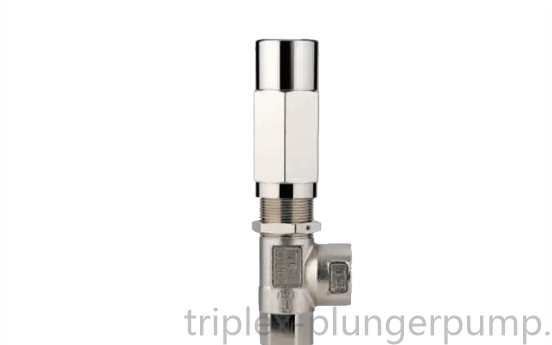
Many industrial processes depend on equipment capable of moving fluids reliably under challenging operating conditions. A High Pressure Pump can support applications that require elevated fluid pressure and controlled delivery, provided its design matches the intended working environment. Selecting suitable equipment requires consideration of mechanical construction, material compatibility, sealing performance, operating conditions, and maintenance accessibility. Evaluating these elements together helps buyers make practical decisions and avoid problems caused by mismatched equipment.
The mechanical structure must withstand the forces generated during operation. Pressure-bearing components require appropriate strength, while moving parts need accurate dimensions to function correctly within the assembly. Manufacturing precision influences the interaction between internal components and can affect wear, vibration, and service requirements. A carefully designed structure helps maintain mechanical stability and supports consistent operation throughout repeated working cycles.
Material compatibility is particularly important when the equipment handles different types of liquid. Water, cleaning solutions, industrial chemicals, and particle-containing fluids can create different demands on internal surfaces. Corrosion resistance, hardness, temperature tolerance, and resistance to abrasion should be considered according to the application. Selecting a material based only on its general reputation may not provide sufficient protection under every operating condition. A review of fluid properties and environmental exposure helps establish a more appropriate specification.
Sealing arrangements contribute directly to operating reliability. Seals must contain the working fluid while accommodating movement and pressure changes within the assembly. Their performance depends on material compatibility, installation accuracy, surface condition, and operating temperature. Poor alignment or inappropriate seal selection can lead to leakage and accelerated wear. Periodic inspection helps identify deterioration and allows maintenance to be scheduled before it causes significant disruption.
Valves regulate fluid movement and support the intended operating cycle. Because valve components experience repeated movement and pressure changes, their condition can influence overall system performance. Contaminants may affect contact surfaces or prevent valves from closing properly. Suitable filtration, fluid management, and routine inspection can help reduce these risks. When components require replacement, correct sizing and material compatibility should be confirmed before installation.
The drive mechanism should be evaluated as part of the complete assembly. Bearings, shafts, connecting components, and other moving parts experience mechanical forces during operation. Correct alignment helps minimize unnecessary friction, while appropriate lubrication supports the condition of moving surfaces. A secure mounting arrangement can reduce unwanted vibration and help maintain stable operation. Changes in sound, temperature, or vibration may indicate that inspection is needed.
Application requirements should be established before equipment is purchased. Important factors include fluid composition, operating temperature, required pressure, delivery needs, operating frequency, and duty cycle. Equipment intended for continuous operation may require different service arrangements from equipment used for occasional tasks. Installation space, environmental exposure, and access for maintenance should also be considered during the selection process.
Routine maintenance supports dependable equipment performance. Operators can inspect seals, valves, connections, lubrication points, and visible mechanical parts according to the working conditions and manufacturer guidance. Leakage, unusual noise, vibration, or changes in delivery behavior should be investigated promptly. Keeping maintenance records can help identify recurring issues and support better planning for replacement components and service intervals.
Installation practices also affect reliability. The mounting surface should provide sufficient stability, and piping should be arranged to avoid excessive stress on connection points. Proper alignment between the equipment and its drive system helps limit unnecessary mechanical loads. Adequate space around the installation makes inspection and servicing easier. The effects of dust, moisture, temperature changes, and chemical exposure should also be assessed where relevant.
For industrial buyers, a High Pressure Pump should be selected according to the complete process rather than a single performance figure. Mechanical construction, materials, sealing systems, operating conditions, installation quality, and maintenance requirements all influence its suitability. Reviewing these factors in advance can help businesses choose equipment that aligns with their operational needs. Additional information about available products and configurations can be found at https://www.triplex-plungerpump.com/product/pumps/ for further evaluation.

 Arabic
 French
 Spanish
 Portuguese
 Deutsch
 Turkish
 Dutch
Dutch
 Italiano
 Russian
 Romaian
 Portuguese (Brazil)
 Greek
Greek
