


How Can Pharma Factories Plan Upgrades Without Disrupting Production?
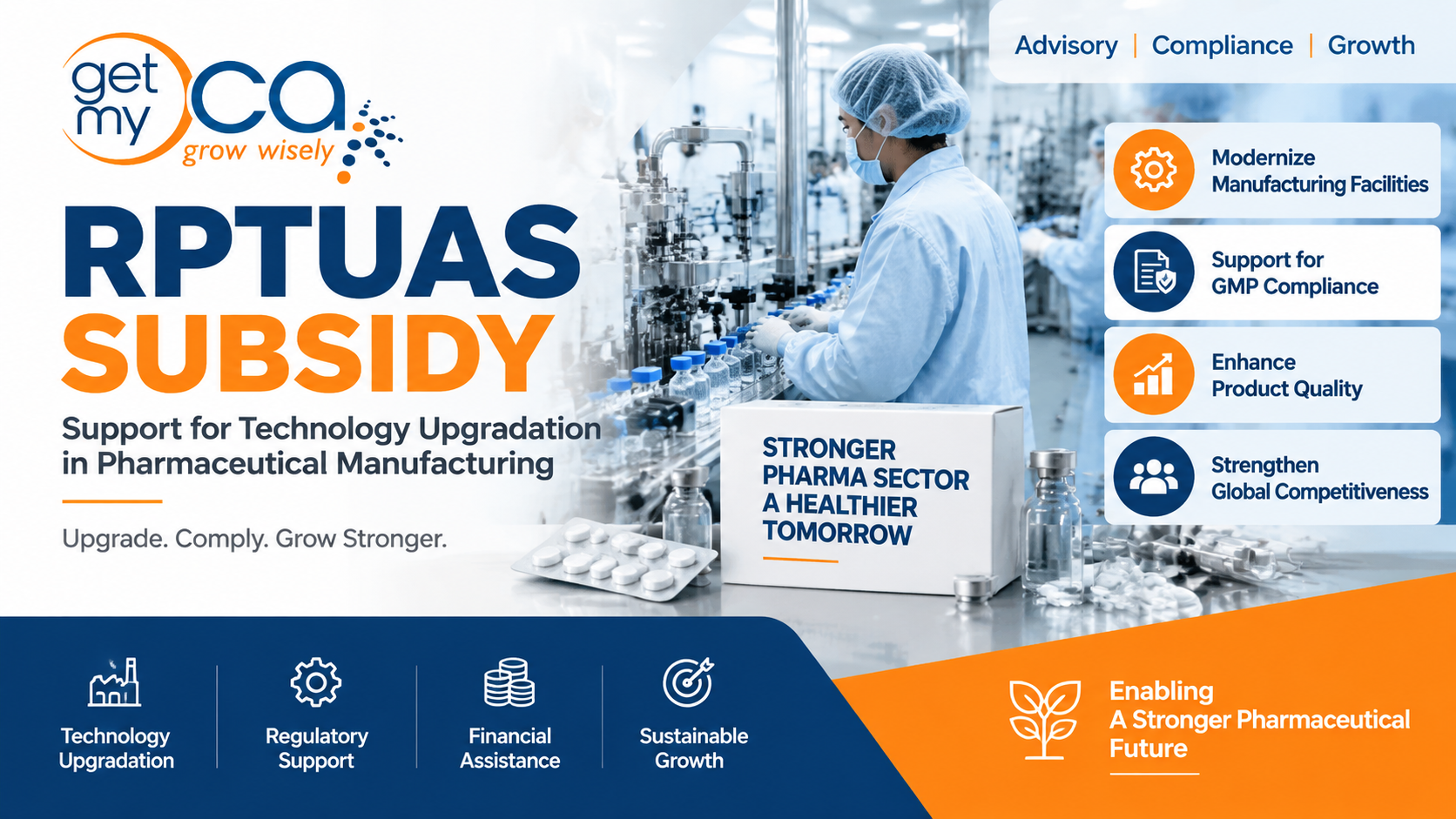
Upgrading a pharmaceutical factory involves more than installing new machinery. Manufacturers must consider production schedules, quality standards, energy consumption and investment costs.
Without proper planning, even small improvements can interrupt daily operations and increase expenses.
What Should Pharma Manufacturers Upgrade First?
Before purchasing equipment, manufacturers should conduct a facility gap assessment.
Common areas requiring attention include:
-
Cleanroom and HVAC systems
-
Water purification facilities
-
Quality-control laboratories
-
Production equipment
-
Testing and validation systems
The RPTUAS Scheme was introduced to support eligible existing pharmaceutical units upgrading their facilities to meet Revised Schedule M and WHO-GMP standards.
Under the scheme, financial assistance ranges from 10% to 20% of eligible investment, subject to a maximum of ₹2 crore.
Manufacturers reviewing RPTUAS facility upgrade requirements should examine eligible expenditure, documentation and current application availability.
Can Energy-Efficient Machinery Reduce Operating Costs?
Pharmaceutical factories often consume substantial electricity through ventilation, cooling and manufacturing equipment.
Replacing inefficient machinery may reduce long-term energy expenses.
India's ADEETIE Scheme provides interest subvention on eligible energy-efficiency loans:
-
Micro and small enterprises: 5%
-
Medium enterprises: 3%
Businesses exploring ADEETIE energy audit support should verify their industrial cluster, Udyam registration and the minimum 10% energy-saving requirement.
What Documents Are Needed?
Manufacturers should maintain:
-
Manufacturing licences
-
Machinery quotations and invoices
-
Financial statements
-
Technical assessment reports
-
Energy consumption records
-
Relevant compliance certificates
Frequently Asked Questions
Is every pharma factory eligible for RPTUAS?
No. Eligibility depends on existing manufacturing operations, turnover, qualifying investment and scheme conditions. Fresh application availability must be verified separately.
Can all MSMEs apply for ADEETIE?
No. The scheme covers eligible MSMEs in notified industrial sectors and clusters, subject to technical and financing conditions.
Conclusion
Successful factory modernisation starts with identifying actual operational needs.
Manufacturers should compare investment costs, compliance requirements and potential energy savings before replacing equipment. Careful planning can reduce unnecessary expenditure and support more efficient production.

 English
 Arabic
 French
 Portuguese
 Deutsch
 Turkish
 Dutch
Dutch
 Italiano
 Russian
 Romaian
 Portuguese (Brazil)
 Greek
Greek
