


Buying a Medical Bed What Actually Drives the Cost in Pakistan
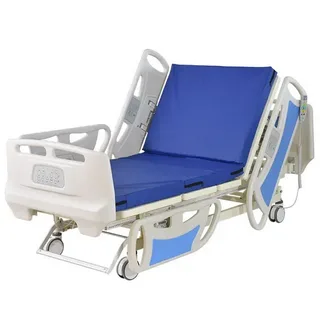
Medical beds are a significant purchase, whether for a hospital ward, a clinic, or a home care setup. Unlike ordinary furniture, they must meet specific functional and safety requirements, and that difference is reflected in the price. Buyers who start by checking the medical bed price in pakistan often find a wide range of figures and wonder what separates a basic model from a premium one. Understanding the underlying cost drivers makes the comparison far easier.
The Main Categories of Medical Beds
Medical beds are not a single product line. They fall into several categories, each designed for a different level of care:
-
Manual beds — adjusted with hand cranks; simple and cost-effective.
-
Semi-electric beds — a mix of powered and manual functions.
-
Fully electric beds — all major positions controlled electronically.
-
ICU beds — built for critical care with advanced positioning.
-
Home care beds — lighter and simpler versions for residential use.
-
Paediatric beds — sized and designed for younger patients.
Moving up this list generally means more features and a higher price, though not every setting requires the top tier.
What Actually Drives the Price
Several practical factors determine where a bed falls on the price scale:
-
Mechanism type — manual models cost less than electric ones.
-
Number of functions — backrest, knee rest, height, and tilt options.
-
Frame construction — heavier-duty frames cost more but last longer.
-
Safety features — side rails, locking casters, and stability features.
-
Mattress quality — basic foam versus pressure-relief mattresses.
-
Accessories — IV poles, overbed tables, and remote controls.
-
Warranty and after-sales support — an often overlooked cost factor.
Because of these variables, two beds of similar size can differ significantly in price. A needs assessment before purchase prevents both overspending and underbuying.
Home Care vs Clinical Use: Different Requirements
One of the most common mistakes is treating all medical beds as interchangeable. The requirements differ considerably:
-
Hospitals and clinics prioritise durability, adjustability, and ease of cleaning.
-
Home care focuses on comfort, compact size, and simple operation.
-
Long-term care facilities need beds that are easy for staff to reposition.
-
Post-surgical recovery may require specific positioning capabilities.
A bed that suits a hospital ward may be unnecessarily complex for a home setting, and vice versa.
Features Worth Paying Attention To
When comparing options, certain details matter more than marketing claims:
-
Adjustability — how smoothly the bed moves through positions.
-
Weight capacity — should comfortably exceed the intended use.
-
Caster quality — smooth movement and reliable locking.
-
Surface materials — should withstand regular cleaning and disinfection.
-
Assembly and setup — some models require professional installation.
In clinical settings, buyers should confirm that beds meet applicable safety and quality requirements and that staff are trained in correct operation.
Maintenance and Safety Considerations
Like all medical equipment, beds need proper care to remain safe and functional. Moving parts should be checked periodically, wheels and locking mechanisms kept in good order, and any damage reported promptly. Users and caregivers should always follow the manufacturer's instructions regarding weight limits, operation, and cleaning. In home settings, arranging the room so the bed is accessible from both sides makes daily care easier.
Final Thoughts
A medical bed is a long-term investment, and the right choice balances patient comfort, caregiver convenience, and budget. Buyers who take time to compare features rather than focusing only on the lowest price generally make better decisions. For readers interested in more updates on healthcare, equipment, and industry topics, additional articles are regularly published on SocioMint, where a variety of content is shared for a broad audience.

 Arabic
 French
 Spanish
 Portuguese
 Deutsch
 Turkish
 Dutch
Dutch
 Italiano
 Russian
 Romaian
 Portuguese (Brazil)
 Greek
Greek
