


What Makes Sialkot a Global Name in Surgical Instrument Manufacturing
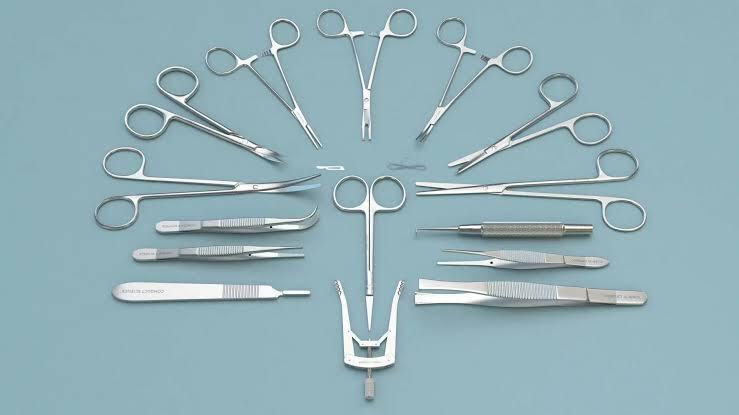
Sialkot is a city that appears in conversations about world-class surgical instruments for a reason. Long before modern supply chains became global, the region had already developed the metalworking skills, finishing techniques, and small-scale workshop culture that would later grow into a recognised export industry. Today, buyers from Europe, the Middle East, and the Americas regularly work with a surgical instruments manufacturer in sialkot because the combination of skilled craftsmanship and competitive pricing is difficult to find elsewhere.
A Skill Base Built Over Generations
What separates Sialkot from many other manufacturing hubs is the depth of its labour pool. Many of the workers in this industry grew up around the trade, learning filing, polishing, and assembly from family members or local workshops. That continuity matters because surgical instruments are precision items — a fraction of a millimetre in tip alignment or joint tension can affect how an instrument performs in the operating theatre.
This generational skill base is supported by a network of small and medium-sized units that handle different stages of production. Forging, grinding, fitting, polishing, and quality checking are often distributed across specialised workshops, which allows both flexibility and scale.
Types of Instruments Produced in the Region
The Sialkot industry covers a very broad product range. Common categories include:
-
General surgery — scissors, forceps, needle holders, retractors.
-
Orthopaedic — bone cutters, chisels, and fixation-related tools.
-
Dental — probes, excavators, and extraction forceps.
-
Microsurgery — fine-tipped instruments for delicate procedures.
-
Veterinary — specialised tools for animal care.
-
Beauty and manicure — a related but separate product line.
Because of this diversity, buyers often find that a single manufacturer can supply multiple specialties, reducing the number of suppliers they need to manage.
What International Buyers Look For
Experienced buyers do not choose a manufacturer on price alone. They evaluate several practical factors:
-
Material grade — the specific grade of stainless steel used.
-
Consistency — whether repeat orders match the original sample.
-
Finishing standards — polish and surface quality are strong indicators.
-
Documentation — certificates and traceability where applicable.
-
Communication — responsiveness during sampling and order stages.
-
Lead times — whether the manufacturer can meet realistic deadlines.
For clinical use, buyers should also confirm that instruments comply with the regulatory requirements of their own market, since these differ from country to country and change over time.
Quality and Safety Considerations
Surgical instruments come into direct contact with patients, which makes quality and safety especially important. Instruments should be free from defects, resistant to corrosion, and suitable for the sterilisation methods they will undergo. Buyers and healthcare professionals should always follow the manufacturer's instructions for use, cleaning, and sterilisation, and verify that products meet the standards required by their local health authorities. Reputable manufacturers welcome this kind of scrutiny rather than avoiding it.
Final Thoughts
Sialkot's surgical instrument industry continues to serve a global market, built on decades of craftsmanship and an ongoing shift toward structured quality systems. For buyers, working with a reputable manufacturer remains the most reliable way to ensure consistent results. For readers interested in more updates on industry, healthcare, and business topics, additional articles are regularly published on SocioMint, where a variety of content is shared for a broad audience.

 English
 Arabic
 French
 Spanish
 Portuguese
 Deutsch
 Turkish
 Italiano
 Russian
 Romaian
 Portuguese (Brazil)
 Greek
Greek
