


Streamlined Production for Apparel Label Applications
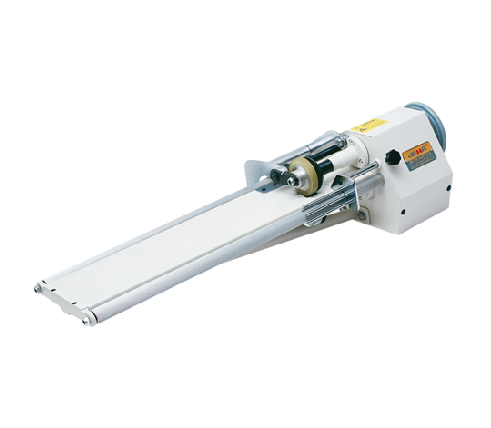
Labels may occupy only a small area of a finished garment, but they perform several important functions. Brand labels communicate product identity, size labels help customers choose suitable clothing, and care labels provide essential maintenance information. Before these components can be sewn, folded, or attached, manufacturers must prepare them with appropriate dimensions and clean edges. Label cutting therefore plays an important role in connecting textile material preparation with efficient garment assembly.
Labels are manufactured from a variety of materials, including woven polyester, nylon, cotton blends, satin, and other synthetic or natural fibers. Each material has its own characteristics. Some are smooth and flexible, while others have a denser woven structure or a surface that can shift during processing. The selected cutting method should accommodate these differences and help maintain consistent results across different label designs.
Material feeding is an important part of the process. If label material moves unevenly or becomes misaligned, the resulting pieces may differ in length or shape. These inconsistencies can create problems during folding, sewing, and attachment. Stable material movement and repeatable cutting actions help manufacturers prepare individual pieces that are easier to handle and integrate into later production stages.
Edge quality also deserves attention. Depending on the material and intended application, poorly prepared edges may fray, look uneven, or require additional finishing. Labels intended to contact the wearer's skin need particular consideration because rough edges can affect comfort. A controlled preparation process helps manufacturers maintain the appearance and usability expected from finished clothing components.
From a consumer perspective, labels contribute to both practical use and brand perception. A clearly presented size label makes garment selection easier, while a well-positioned brand label supports a consistent visual identity. Care instructions must remain accessible and readable so that consumers can maintain their clothing correctly. Although label processing happens before final assembly, it contributes to details that customers may notice throughout the life of a garment.
Automation can help manufacturers manage repetitive label preparation more efficiently. Manual cutting may remain appropriate for samples, limited orders, or specialized designs. However, as production volumes increase, repeated manual operations can consume substantial labor and make consistency more difficult to maintain. Automated machinery can standardize recurring movements and allow workers to focus on material preparation, equipment monitoring, and quality inspection.
Flexibility is another consideration for apparel suppliers. Different customers may request different label widths, materials, patterns, and order quantities. A production process that accommodates changing requirements can help manufacturers respond to new designs without creating unnecessary delays. This is particularly useful for businesses supplying multiple clothing brands or producing seasonal collections with frequent design changes.
Material efficiency can also influence equipment selection. Inaccurate separation may produce unusable pieces, increase trimming requirements, or generate unnecessary offcuts. These losses may seem minor for an individual label, but they can accumulate across large production runs. More controlled processing helps reduce avoidable waste and makes better use of the materials purchased for manufacturing.
The connection between label preparation and downstream assembly is equally important. Labels may need to be sorted, stacked, folded, sewn, or attached using different methods. Consistent pieces help these operations proceed with fewer manual adjustments. When component preparation is predictable, production teams can coordinate work more effectively and identify quality issues before they affect larger quantities of finished garments.
Good machinery should also support the people operating it. Clear procedures, convenient material handling, and stable operation can make routine tasks easier to supervise. Automation does not remove the need for skilled workers; instead, it gives them more opportunity to focus on process control, inspection, and production planning rather than repeating every cutting movement manually.
JEMA provides textile machinery solutions designed to support practical production needs across garment and material processing. With suitable equipment and careful workflow planning, label cutting can contribute to consistent component quality, more efficient material use, and smoother coordination between production stages. Manufacturers looking to improve textile processing and explore suitable machinery can find further solutions at https://www.chinajema.com/product/.

 English
 Arabic
 French
 Spanish
 Portuguese
 Deutsch
 Turkish
 Dutch
Dutch
 Italiano
 Russian
 Romaian
 Greek
Greek
