


Reliable Processing Solutions for Industrial Projects
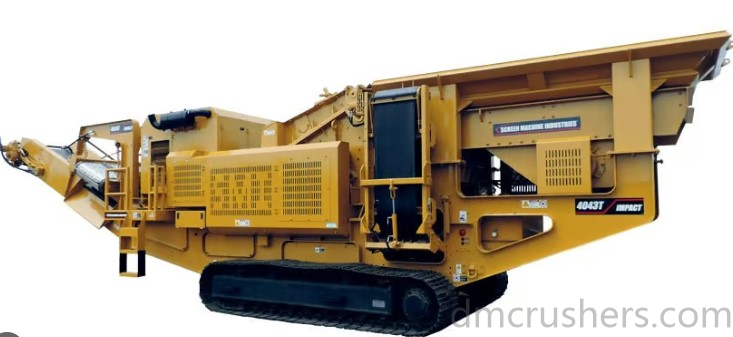
In quarrying, mining, construction, and recycling industries, a Crushing Plant is an integrated system designed to transform incoming materials into products suitable for specific applications. Its performance depends on the coordination of feeding equipment, material reduction machinery, screening units, conveyors, and stockpiling arrangements. Rather than evaluating individual machines separately, project planners should consider how the entire process handles incoming materials, maintains production continuity, and delivers the required output quality.
The first step in system planning is understanding the raw material. Rock types differ in hardness, density, abrasiveness, moisture content, and fracture characteristics. Recycled construction materials may contain mixed components that require sorting before processing. These properties influence equipment selection, expected wear rates, energy requirements, and the overall arrangement of processing stages. Accurate material assessment helps establish a practical design that reflects actual operating conditions instead of relying solely on theoretical production targets.
Feeding equipment plays a central role in maintaining process stability. An irregular supply of material can create fluctuating loads and reduce the consistency of downstream operations. Excessively large pieces may cause blockages, while unsuitable contaminants can damage working components. Proper feed preparation, including preliminary screening or sorting where appropriate, helps control these risks. A stable feeding process also makes it easier to monitor equipment behavior and identify changes that may require operational adjustments.
Material reduction stages should be selected according to feed properties and final product requirements. Initial processing may focus on reducing large pieces to a manageable size, while subsequent stages can produce smaller and more consistent particles. Different reduction methods produce different particle characteristics, so the equipment arrangement must reflect the intended use of the final aggregate. Coordinating the stages can help limit unnecessary recirculation and make better use of processing capacity.
Screening is essential when products must be separated into specific size ranges. Screen selection depends on material characteristics, required grading, moisture conditions, and the expected volume of material. Blocked or damaged screening surfaces can affect classification accuracy and increase the amount of material sent through the process again. Regular inspection and suitable cleaning procedures help maintain effective separation and protect product consistency.
Conveying systems connect the major processing stages and influence the reliability of the complete operation. Poor transfer arrangements may cause material accumulation, spillage, or interruptions between machines. Conveyor alignment, belt tension, rollers, transfer points, and protective devices should be checked regularly. Properly designed material routes can reduce unnecessary handling and improve the flow from the feed area to finished stockpiles.
Maintenance requirements should be considered during the planning and installation stages. Access to bearings, drive assemblies, wear components, lubrication points, and inspection areas affects the time needed for routine service. Scheduled inspections can identify damaged liners, loose fasteners, unusual vibration, belt wear, and other early warning signs. Keeping maintenance records allows operators to track recurring problems and develop service schedules based on actual operating experience.
Safety management must cover the entire production area. Moving machinery, conveyor belts, falling materials, dust, noise, and stored mechanical energy can create hazards throughout the process. Protective guards, emergency stopping devices, marked walkways, appropriate lighting, and established isolation procedures are important safeguards. Workers should receive clear instructions for operating equipment, clearing blockages, and performing maintenance. Access to hazardous areas should be controlled during production and servicing.
Environmental considerations also influence system efficiency. Dust suppression, noise management, controlled material transfer, and responsible water use can help reduce the environmental effects of industrial processing. In recycling projects, recovering suitable construction materials can reduce waste and support more efficient use of available resources. A coordinated layout can also reduce unnecessary transportation between stages and limit repeated material handling.
A properly designed Crushing Plant combines suitable equipment selection, controlled feeding, effective screening, reliable conveying, and planned maintenance within one coordinated workflow. Its configuration should reflect the characteristics of the feed material, required product specifications, site limitations, and long-term operating objectives. To explore additional equipment information and potential processing configurations, visit https://www.dmcrushers.com/product/stationary-crusher/ .

 English
 French
 Spanish
 Portuguese
 Deutsch
 Turkish
 Dutch
Dutch
 Italiano
 Russian
 Romaian
 Portuguese (Brazil)
 Greek
Greek
