


Customer Journey Optimization: How Businesses Can Turn More Prospects Into Clients
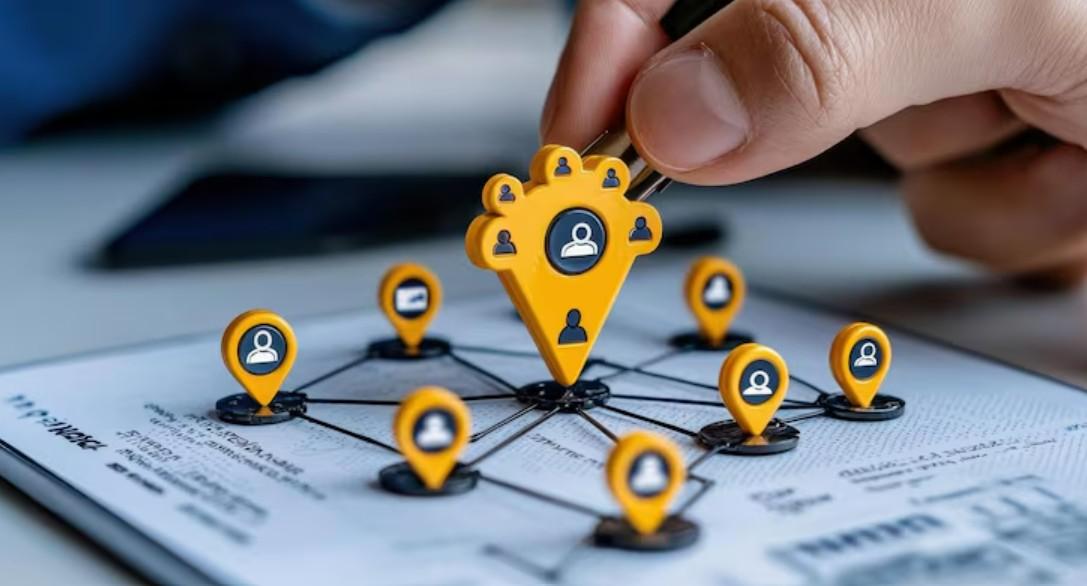
A prospect rarely becomes a client after seeing a single advertisement or visiting a website once. In most cases, the decision happens through a series of small interactions. A person sees an offer, visits a landing page, considers the information, submits an inquiry, receives a response, and eventually decides whether to move forward.
That entire process is the customer journey. Customer journey optimization is the practice of improving each stage of this experience so prospects can move from awareness to action with less confusion, friction, and delay.
For businesses that depend on a steady flow of qualified prospects, optimizing this journey can have a direct impact on lead conversion, sales productivity, and long term growth.
What Is Customer Journey Optimization?
Customer journey optimization involves analyzing every interaction a potential customer has with a business and identifying opportunities to make the experience more relevant and efficient. It starts before a prospect becomes a lead and continues through communication, consultation, appointment scheduling, and eventually the buying decision.
For example, someone may discover a service through social media. They click an advertisement and arrive on a landing page. If the message on that page matches what attracted them to the advertisement, they are more likely to continue.
If they submit their information and receive a timely response, the momentum continues. Each step matters. A disconnected experience can cause a prospect to lose interest. A well structured journey makes the next step feel natural.
Why Customer Journey Optimization Matters
Many businesses focus heavily on generating leads but pay less attention to what happens after a prospect responds. This creates a common problem. Marketing generates interest, but the process that follows is slow, inconsistent, or difficult to navigate.
Customer journey optimization addresses that gap. A strong journey gives prospects clear information, simple choices, and timely communication. It also gives sales professionals a structured process for handling new opportunities.
Speed is particularly important when a prospect has demonstrated active interest. If someone submits a request for information, waiting hours or days to respond can allow that interest to disappear. Automated lead delivery and follow up can help businesses respond while the prospect is still engaged.
The Key Stages of an Optimized Customer Journey
1. Awareness
The journey begins when a potential customer first becomes aware of a problem, service, or solution. Your marketing message should immediately communicate who you help and what you offer.
Clear positioning makes it easier for the right prospects to recognize that your business may be relevant to them. Social media advertising, educational content, search visibility, and other marketing channels can all contribute to this stage.
2. Consideration
Once someone clicks an advertisement or visits your website, the experience needs to continue the conversation that started in the awareness stage. Landing pages should be focused, easy to understand, and designed around the prospect's needs.
Too many competing messages or complicated forms can create unnecessary friction. The goal is not to tell prospects everything at once. The goal is to give them enough clarity and confidence to take the next step.
3. Conversion
Conversion occurs when a prospect takes a meaningful action. Depending on the business, that might mean submitting a form, requesting information, making a phone call, or scheduling an appointment.
The conversion process should be straightforward. Clear calls to action, relevant messaging, and simple forms can make it easier for interested prospects to respond.
4. Follow Up
Follow up is one of the most important parts of the customer journey. A prospect who has expressed interest should not be left wondering what happens next. Automated messages can acknowledge the inquiry, provide useful information, and maintain communication while a sales professional prepares to connect.
Automation does not replace human interaction. Instead, it helps ensure that opportunities are not forgotten because of a busy schedule or inconsistent manual processes.
5. Decision and Relationship Building
The final stage is about helping the prospect make a confident decision. At this point, the quality of the conversation matters. The sales process should focus on understanding the prospect, answering questions, addressing concerns, and providing a clear path forward.
A positive experience can also influence what happens after the initial sale. Customers who receive consistent communication and professional support are more likely to develop lasting relationships with a business.
Use Data to Improve the Journey
Customer journey optimization should not be based entirely on assumptions. Businesses should monitor where prospects enter the journey, where they engage, where they stop responding, and which channels produce meaningful opportunities.
Useful metrics can include landing page conversion rates, response times, appointment rates, follow up engagement, and sales conversion rates. When these numbers are reviewed consistently, businesses can identify weak points and make informed improvements.
For example, if an advertisement receives strong engagement but the landing page produces few inquiries, the problem may not be the advertisement. The landing page experience may need improvement.
If many prospects submit forms but few conversations happen, the issue could be response time or follow up. The objective is to improve the entire journey rather than simply increasing traffic.
Final Thoughts
Customer journey optimization is ultimately about making it easier for the right prospects to become clients. It requires more than generating attention. Businesses need to consider what happens after someone clicks an advertisement, submits an inquiry, makes a call, or schedules an appointment.
Clear messaging, conversion focused landing pages, fast responses, consistent follow up, automation, and ongoing measurement can work together to create a stronger acquisition process.
When every stage of the journey supports the next one, businesses can reduce wasted opportunities and create a more predictable path from initial interest to meaningful client relationships.
Frequently Asked Questions
What is customer journey optimization?
Customer journey optimization is the process of improving every interaction a prospect has with a business to make the path from awareness to conversion clearer, easier, and more effective.
Why is customer journey optimization important?
It helps businesses identify friction points that may cause prospects to leave, while improving communication, conversion opportunities, and the overall customer experience.
How does automation improve the customer journey?
Automation can help businesses deliver leads quickly, trigger timely follow up, organize communication, and simplify appointment scheduling. This creates greater consistency throughout the journey.
What should businesses measure when optimizing the customer journey?
Important metrics can include website and landing page conversions, response times, appointment bookings, follow up engagement, lead quality, and eventual sales conversions. Reviewing these metrics helps identify where improvements can have the greatest impact.

 English
 Arabic
 Spanish
 Portuguese
 Deutsch
 Turkish
 Dutch
Dutch
 Italiano
 Russian
 Romaian
 Portuguese (Brazil)
 Greek
Greek
