


Stem Cell Therapy in Dubai:Modern Regenerative Applications
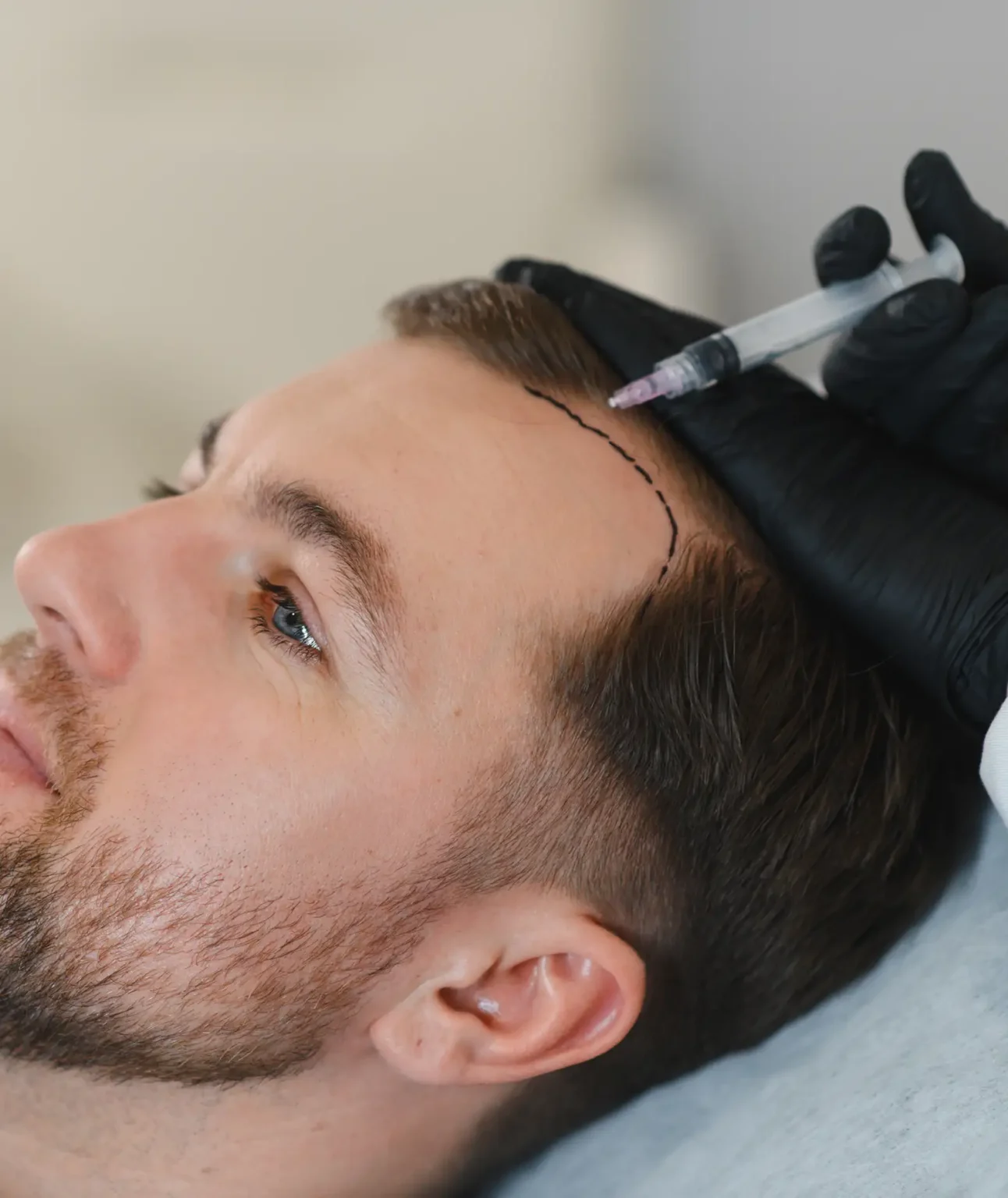
Stem Cell Therapy in Dubai is an area of regenerative medicine that explores how cells and cell-derived biological processes may support tissue repair and recovery. Modern research continues to investigate the potential applications of stem cells in different medical fields, with a focus on understanding cellular behavior, tissue function, and the body's natural repair mechanisms.
At Biolite Clinic Dubai, understanding regenerative applications begins with recognizing the importance of scientific evidence, individualized assessment, and realistic treatment expectations. Stem cell therapy is a developing field, and its suitability depends on the specific medical concern, the proposed procedure, and the available clinical evidence.
Understanding Stem Cells and Regenerative Medicine
Stem cells are distinguished by their ability to self-renew and, under suitable conditions, develop into specialized cell types. These characteristics make them important subjects in medical research, particularly in the study of tissue development, cellular repair, and regenerative processes.
Different stem cell types have distinct biological properties. Embryonic stem cells can develop into many cell types, while adult stem cells generally have more restricted differentiation potential. Induced pluripotent stem cells are created by reprogramming specialized cells into a state that resembles pluripotent stem cells.
Researchers investigate these cells to better understand how tissues function and how cellular processes might contribute to future medical treatments. However, promising laboratory findings do not automatically establish that a treatment is safe or effective in clinical practice.
Modern Applications of Stem Cell Research
Tissue Repair and Regeneration
One important area of investigation involves the biological processes associated with tissue damage and repair. Researchers study how stem cells interact with surrounding tissues, communicate with other cells, and influence the local biological environment.
These mechanisms may help scientists develop new approaches to selected medical conditions. Nevertheless, the effectiveness of any specific treatment must be evaluated through appropriate clinical research rather than assumed from the general properties of stem cells.
Musculoskeletal Research
Stem cell research has attracted interest in the study of cartilage, bone, muscles, and other musculoskeletal structures. Scientists investigate whether cellular approaches could contribute to improved understanding of tissue degeneration, injury, and repair.
The potential applications vary considerably according to the cell type, delivery method, condition being studied, and quality of the supporting evidence. Many proposed applications remain experimental and should not be presented as established treatments.
Cellular Signaling and Biological Responses
Stem cells can release signaling molecules that influence interactions between cells and their surrounding environment. Researchers examine these processes to understand inflammation, tissue responses, and cellular communication.
Studying these mechanisms may contribute to future therapeutic developments. However, the biological effects observed in laboratory settings may not translate directly into predictable benefits for patients.
The Importance of Individualized Assessment
A responsible approach to regenerative medicine begins with an evaluation of the patient's medical history, symptoms, existing diagnoses, and treatment goals. This assessment helps determine whether an established treatment, further diagnostic investigation, or a research-based option is appropriate.
At Biolite Clinic Dubai, personalized consideration should include a clear explanation of the proposed procedure, its evidence base, potential risks, and available alternatives. Patients should understand whether an intervention is an established medical treatment or remains under investigation.
Individualized assessment also helps prevent unrealistic expectations. No single regenerative approach is appropriate for every condition, and outcomes can differ depending on multiple medical and biological factors.
Safety, Regulation, and Clinical Evidence
Safety is a central consideration in all stem cell-related interventions. Potential risks may include infection, immune reactions, contamination, inappropriate cell growth, and complications associated with the procedure itself. The level of risk depends on the specific product, preparation method, administration route, and clinical circumstances.
Patients should ask about the source of the cells, how the product is prepared and tested, the qualifications of the treating professional, and the regulatory status of the proposed intervention. They should also request clear information about published clinical evidence and follow-up arrangements.
The term regenerative medicine covers a broad range of approaches, and not every treatment marketed under this description has been demonstrated to provide meaningful clinical benefits. Independent medical advice can help patients evaluate claims and compare appropriate options.
What to Consider Before Stem Cell Therapy
Before considering a stem cell-related procedure, patients should establish the medical purpose of treatment and determine whether credible evidence supports its use for their particular condition.
A thorough consultation should address the expected benefits, possible complications, limitations of current research, and alternative treatment options. Patients should also understand the likely costs, recovery requirements, and need for continued medical monitoring.
It is important to be cautious of claims promising guaranteed regeneration, permanent results, or cures for multiple unrelated conditions. Scientific advances in stem cell research are significant, but responsible clinical decisions must remain grounded in evidence.
The Future of Regenerative Applications
Ongoing research is improving scientific understanding of stem cell biology, cellular signaling, and tissue development. Advances in laboratory techniques, cell characterization, and clinical study design may help researchers determine which applications could eventually become reliable medical treatments.
Future progress will depend on demonstrating safety, reproducible results, and meaningful benefits through well-designed clinical trials. Continued scientific evaluation and appropriate regulatory oversight remain essential for translating experimental discoveries into responsible patient care.
Frequently Asked Questions
What is stem cell therapy?
Stem cell therapy refers to approaches that use stem cells or stem cell-based products for a proposed therapeutic purpose. The evidence, approved uses, and risks vary by treatment and medical condition.
What conditions can stem cell therapy treat?
Established uses are limited to specific indications, including certain blood and immune system disorders. Many applications promoted for orthopedic, neurological, and other conditions remain experimental or lack sufficient evidence for routine clinical use.
Is stem cell therapy safe?
Safety depends on the particular intervention, product quality, administration method, and patient's medical circumstances. Potential complications should be discussed with a qualified medical professional before treatment.
How can patients evaluate regenerative treatment claims?
Patients should review the clinical evidence, ask about regulatory authorization, understand possible risks, and seek independent medical advice when necessary. Guaranteed results and broad claims of curing unrelated diseases should be treated cautiously.
Conclusion
Stem cell research represents an important area of modern regenerative science, offering valuable insights into cellular function, tissue repair, and potential future medical applications. However, the clinical value of each intervention must be assessed individually, with careful attention to scientific evidence, safety, and regulatory requirements.
At Biolite Clinic Dubai, informed decision-making should remain central to discussions about regenerative medicine. Understanding the potential applications and limitations of Stem Cell Therapy in Dubai can help patients approach available options with realistic expectations and a clear understanding of the importance of evidence-based care.

 English
 Arabic
 French
 Spanish
 Portuguese
 Deutsch
 Turkish
 Italiano
 Russian
 Romaian
 Portuguese (Brazil)
 Greek
Greek
