


How to Prepare Your House for Power Outages Without Making Costly Backup Power Mistakes
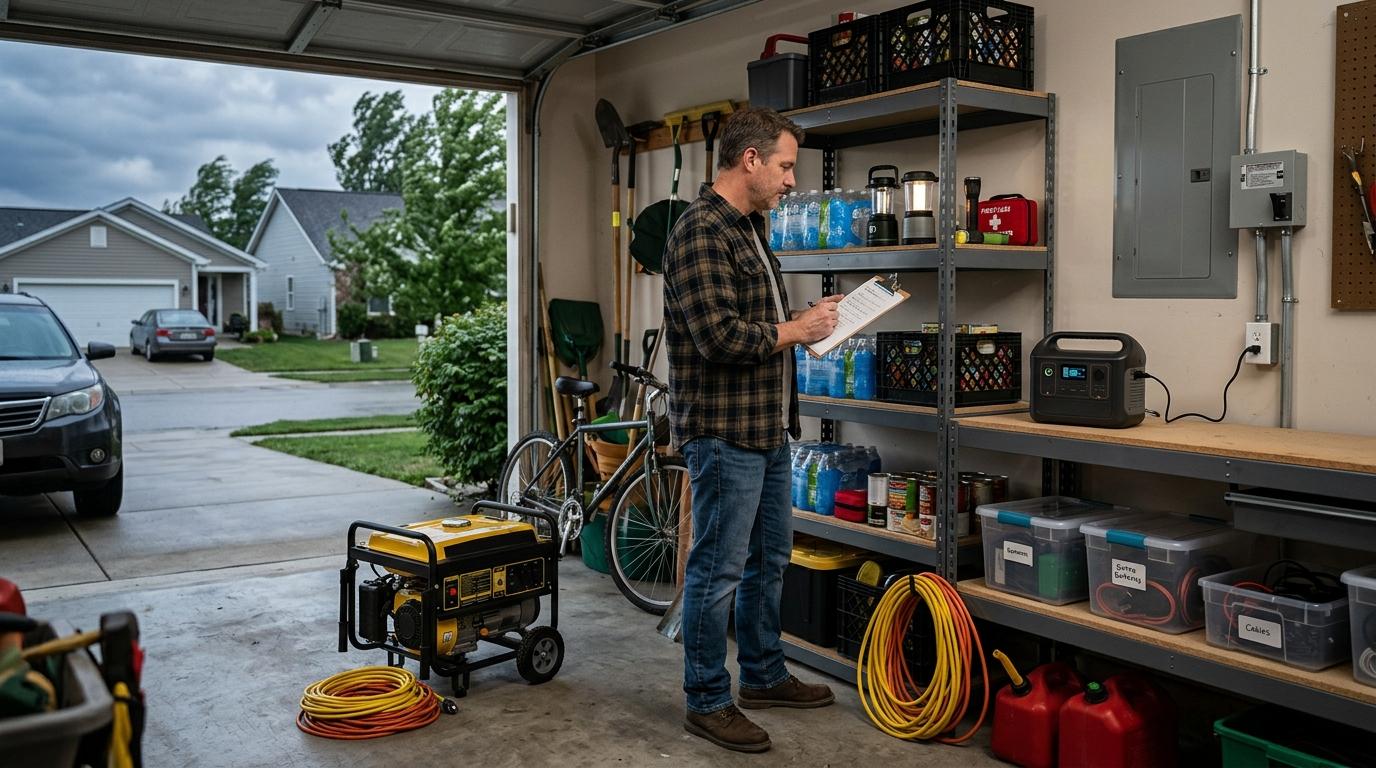
A power outage becomes more than an inconvenience when the refrigerator stops cooling, medical equipment loses power, or the heating and cooling system cannot operate. Portable generators can provide temporary electricity, but homeowners who want automatic backup power often consider a permanently installed generator. Choosing one involves more than finding a model with enough wattage to run the house.
A generator that is too small may struggle when major appliances start. An oversized system can cost more than necessary, while poor placement or an unsuitable fuel supply can create operating problems. Planning Home Generator Installation around the household's actual electrical needs helps avoid these mistakes and creates a more dependable backup power system.
Why Your Electrical Needs Should Determine the Generator Size
The first decision is not which generator brand to purchase. It is deciding what must continue working during an outage. Some households need only refrigeration, lighting, internet access, and a few essential outlets. Others want central air conditioning, cooking equipment, a well pump, and most normal household functions to remain available. These requirements produce very different electrical loads.
An electrician can review the home's electrical equipment and calculate the expected demand. The calculation should consider both running wattage and the additional power certain motors require when starting. A refrigerator compressor, air-conditioning system, or water pump may briefly demand considerably more electricity during startup than during normal operation. Ignoring these starting loads can result in a generator that appears adequate on paper but struggles when several appliances operate.
Why a Generator's Advertised Wattage Can Be Misleading
Manufacturers may list several output ratings, including continuous or rated power and short-duration maximum output. A generator should not be selected solely because its largest advertised number exceeds a rough estimate of household consumption. The unit must be capable of supplying the expected continuous load while accommodating permitted motor-starting demands.
Fuel type and operating conditions also matter. Some generators provide different output ratings depending on whether they operate on natural gas or propane. High temperatures and installation altitude can affect available performance according to the manufacturer's specifications. Comparing the correct ratings under the intended operating conditions provides a more realistic picture of what the system can support.
Should You Power the Entire House or Only Essential Circuits?
Whole-house backup power sounds appealing because it reduces the need to choose which appliances remain available. However, supplying every circuit can require a larger generator, additional fuel capacity, and equipment capable of managing significant electrical demand. For households with electric heating, multiple air-conditioning systems, or high-powered cooking appliances, the difference in equipment requirements can be substantial.
An essential-load approach prioritizes the circuits that matter most during an outage. Refrigeration, selected lighting, communications equipment, and certain heating controls are common considerations. The final selection depends on the household's needs, particularly where medical devices, sump pumps, or electrically operated water systems are involved.
A useful planning exercise is to separate electrical loads into three groups:
-
Essential: Refrigeration, necessary medical equipment, critical pumps, and basic lighting.
-
Important: Internet equipment, selected outlets, heating or cooling equipment, and garage access.
-
Optional: Electric ovens, clothes dryers, pool equipment, and other high-demand appliances.
These categories are only a starting point. A household with electrically powered medical equipment may need additional safeguards, including a suitable uninterruptible power supply or other medically appropriate backup arrangements. A standby generator is not an uninterrupted power source because startup and transfer normally take time.
How the Transfer Switch Protects the Electrical System
A permanently installed standby generator must be connected through equipment designed to safely separate utility power from generator power. This is the purpose of a transfer switch. Without appropriate transfer equipment, electricity could flow into utility lines during an outage, creating a serious hazard for utility workers and potentially damaging electrical equipment.
An automatic transfer switch monitors the utility supply and initiates the transfer process when an outage occurs. The generator starts, reaches acceptable operating conditions, and then supplies the connected circuits. When stable utility power returns, the system transfers the load back according to its programmed sequence. The generator typically runs through a cooldown period before shutting down.
The transfer switch must be compatible with the generator, electrical service, and intended loads. Its location and installation may also affect the amount of electrical modification required. A qualified electrician should determine the correct equipment and wiring arrangement rather than attempting to connect a generator directly to an existing breaker panel.
Why Load Management May Be Necessary
A generator does not always need enough capacity to run every connected appliance simultaneously. Some systems use approved load-management controls to prevent large electrical loads from operating together. For example, a controller may temporarily delay one air-conditioning system while another high-demand appliance is running.
This approach can reduce the generator capacity needed for a particular household, but it must be designed around the equipment's actual electrical requirements. Homeowners should understand which loads may be interrupted or delayed and whether that behavior is acceptable. Equipment that must operate continuously should not depend on a control arrangement that could unexpectedly disconnect it.
Where Should a Standby Generator Be Installed?
Generator placement is a safety decision before it becomes a landscaping or convenience decision. Standby generators produce carbon monoxide and other exhaust gases, so they must operate outdoors in locations that meet the manufacturer's clearance requirements and applicable codes. They must never be placed inside a garage, basement, enclosed porch, or other indoor space.
Distance from windows, doors, ventilation openings, and combustible materials is particularly important. There is no single universal clearance that applies to every standby generator model and installation. The manufacturer's listed installation instructions, local building requirements, and applicable fire codes determine the acceptable location.
The site should also provide stable support, adequate airflow, drainage, and access for servicing. A location that appears convenient beside a bedroom window may create unnecessary noise or exhaust concerns. Placing the generator far from the electrical service, on the other hand, can increase wiring requirements and installation costs. Evaluating these trade-offs before preparing the site helps prevent expensive relocation.
How Fuel Supply Affects Generator Reliability
Most residential standby generators operate on natural gas or propane. Both can provide practical backup power, but they require different planning considerations. A natural gas generator depends on the available gas utility supply and the capacity of the property's gas piping. A propane generator depends on stored fuel, tank capacity, regulator performance, and the ability to obtain refills.
A natural gas connection should not be assumed adequate simply because the house already has a gas furnace or water heater. The generator may require substantial additional fuel flow, particularly when operating under heavy electrical load. A qualified gas professional must assess the supply pressure, meter capacity, pipe sizing, and other connected appliances.
Propane offers on-site fuel storage, which can be valuable where natural gas service is unavailable. However, tank size determines how long the generator can operate before refilling. Actual runtime depends on generator load, fuel consumption, weather conditions, and usable tank capacity. Homeowners should calculate expected fuel needs for realistic outage durations rather than relying on a maximum runtime estimate based on unusually light loads.
What Should Be Checked Before Installation Begins?
A successful installation depends on coordinating electrical work, fuel connections, equipment placement, and local approval requirements. Discovering an unsuitable gas supply or a difficult wiring route after equipment arrives can delay the project. A site assessment should identify these issues before the final equipment selection is confirmed.
Homeowners should review the following with the installer:
-
The home's calculated electrical demand and selected backup circuits.
-
Generator output ratings for the intended fuel.
-
Transfer switch compatibility and load-management requirements.
-
Outdoor placement, exhaust clearances, and maintenance access.
-
Fuel piping or propane storage requirements.
-
Applicable permits, inspections, and utility coordination.
In California, electrical and fuel-system work may require permits and inspections from the authority having jurisdiction. Requirements can differ according to the city, installation type, and equipment involved. The contractor should establish which approvals apply before beginning work.
What Happens During Professional Generator Installation?
The installation typically begins with preparing a suitable mounting surface and positioning the generator according to the approved site plan. Depending on the model and local requirements, the unit may use a manufacturer-approved composite pad or a properly constructed concrete foundation. The generator must remain stable, level, and accessible for maintenance.
The electrical contractor then installs the necessary wiring and transfer equipment. The fuel connection is completed by appropriately qualified personnel, with required testing performed before operation. These activities must follow the equipment instructions and applicable electrical, mechanical, plumbing, and fuel-gas requirements.
Once the connections are complete, the system requires commissioning. This includes checking generator operation, transfer-switch behavior, electrical output, control settings, and the response to simulated utility failure where appropriate. The installer should also explain how to identify warning messages, review operating status, and arrange future servicing.
Why Testing With Realistic Electrical Loads Matters
A generator may start successfully during a basic demonstration but still experience problems when substantial household loads are connected. Commissioning should therefore verify that the system operates correctly under suitable test conditions. This may involve observing how major appliances start, confirming load-management behavior, and checking for unexpected shutdowns or transfer problems.
The purpose is not to overload the generator deliberately. It is to confirm that the installed system performs within its intended capacity. Homeowners should ask which circuits were tested, whether any limitations were identified, and what happens if demand exceeds available generator output.
What Can Make Installation More Expensive Than Expected?
The generator itself is only one component of the total project cost. Electrical modifications, transfer equipment, fuel piping, site preparation, permits, and labor can account for a significant portion of the final expense. A property with straightforward access to electrical and gas services may require less work than one where the generator must be positioned far from existing connections.
Older electrical panels can introduce additional complications. Limited panel space, deteriorated equipment, or an unsuitable service configuration may require corrective work before the generator can be connected safely. These conditions should be evaluated individually rather than assuming every generator project requires a complete panel replacement.
When comparing estimates, homeowners should request a clear explanation of what is included. The proposal should identify the generator model, output rating, transfer equipment, intended backup loads, fuel arrangements, required electrical modifications, and commissioning work. This makes comparisons more meaningful than choosing solely by the lowest quoted price.
How to Keep Backup Power Available When an Outage Happens
A standby generator requires ongoing maintenance even when it rarely supplies the house. Many systems perform automatic exercise cycles to help verify readiness, but those cycles do not replace scheduled servicing. Oil, filters, batteries, cooling components, and other parts require attention according to the manufacturer's maintenance schedule.
Homeowners should periodically check the controller for alerts and confirm that automatic operation remains enabled. The area around the generator should remain clear of vegetation, stored materials, and other obstructions that could interfere with airflow or service access. After extended operation, the system may require additional maintenance based on operating hours.
Fuel availability should also be part of an outage plan. Propane users should monitor tank levels and arrange refills before severe weather when possible. Natural gas users should understand that utility interruptions can still affect generator operation. A backup power system improves preparedness, but it does not guarantee uninterrupted electricity under every possible condition.
Conclusion
Choosing a standby generator requires balancing electrical demand, fuel availability, installation conditions, and the household's actual priorities. The most effective system is not necessarily the largest model available, but one properly designed to support the loads that matter during an outage. Understanding electrical load helps explain why equipment sizing, starting demand, and circuit selection must be evaluated together. With a suitable generator, correctly installed transfer equipment, and regular maintenance, homeowners can prepare for outages without investing in unnecessary capacity or overlooking important safety requirements.

 English
 Arabic
 French
 Spanish
 Portuguese
 Deutsch
 Turkish
 Dutch
Dutch
 Italiano
 Russian
 Portuguese (Brazil)
 Greek
Greek
