


Material Choices and Engineering Decisions in Injection Mould Design
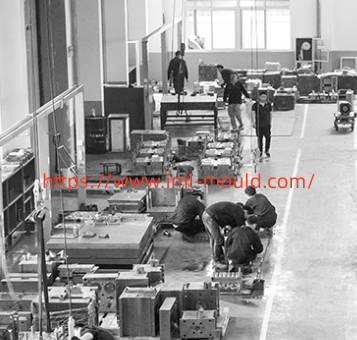
Turning a product concept into a repeatable manufacturing process requires coordination between design, materials, tooling, and production requirements. Working with a Custom Injection Mould Manufacturer can help businesses translate product drawings into practical tooling while considering how the finished component will function, fit into an assembly, and appear to customers. Rather than treating the mould as a separate production tool, developers benefit from viewing it as part of the complete product development process.
Material selection begins with the working conditions of the mould itself. Tool steel is widely used because it can provide the structural support needed during repeated molding cycles. Different grades offer different characteristics in machinability, hardness, wear resistance, and corrosion resistance. The appropriate material depends on the molded resin, cavity complexity, production environment, and maintenance expectations. A carefully considered material choice can influence how the mould is machined, finished, maintained, and used throughout its service life.
The plastic selected for the finished component also affects tooling decisions. Resins vary in flow behavior, shrinkage, stiffness, surface characteristics, and response to processing conditions. Some applications prioritize impact resistance, while others require a refined appearance or particular flexibility. These differences influence the design of cavities, gates, cooling arrangements, and release features. Sharing the intended resin and product application early allows the mould development team to consider material behavior before the design becomes difficult or expensive to change.
Choosing a manufacturing partner requires more than reviewing a catalogue of existing moulds. Buyers should assess whether a supplier can interpret technical drawings, discuss design alternatives, identify manufacturing challenges, and communicate clearly during development. Experience with comparable product structures may be useful, but the supplier should also understand the specific requirements of the new project. Clear documentation, agreed review stages, and communication about revisions can help prevent misunderstandings between product owners, designers, and tooling engineers.
Product definition is an essential early step. Designers should clarify how the component connects with neighboring parts, what loads or movement it may encounter, and which surfaces will remain visible after assembly. Features such as snap fits, screw bosses, ribs, openings, and joining edges can influence both the finished product and the mould structure. Reviewing these details before machining begins helps identify potential conflicts between appearance, assembly, material behavior, and manufacturability.
Engineering software supports the transition from concept to tooling. Three-dimensional models allow engineers to examine cavity geometry, parting lines, draft angles, and the arrangement of moving components. Mold-flow analysis may help identify potential filling difficulties, weld lines, air traps, or areas where material behavior needs further attention. These tools do not replace practical testing, but they can provide useful information for refining a design before the mould enters production.
The feeding system must deliver molten plastic into the cavity in a controlled way. Gate location can influence filling patterns, visible marks, and the distribution of material across the component. Runner design also affects how resin travels through the tooling. The most appropriate arrangement depends on part geometry, resin characteristics, production priorities, and the required surface appearance. Engineers need to balance these factors rather than selecting a feeding design based on convenience alone.
Cooling and temperature management also shape the molding process. Heat must be removed in a way that supports solidification while helping the component retain its intended form. Poorly balanced cooling can contribute to warping, uneven surfaces, or longer production cycles. Cooling-channel placement should therefore reflect the geometry and thermal behavior of the part. Coordinating cooling with cavity layout and material selection can help make production more predictable.
The ejection system determines how the finished component leaves the mould. Ejector pins, sleeves, plates, or other mechanisms may be selected according to the part's structure and release requirements. Their placement needs to provide sufficient support without leaving unwanted marks on visible surfaces. Thin sections, deep cavities, delicate edges, and textured areas may require additional design attention. A well-planned ejection arrangement can reduce the risk of damage and simplify production handling.
The experience of the eventual product user should influence these engineering choices. A molded component may need to feel comfortable in the hand, open or close smoothly, align easily during assembly, or remain simple to clean. Small design details, including rounded edges, grip textures, button placement, and connection features, can affect everyday usability. Designers should consider how people interact with the product instead of focusing exclusively on whether the component can be molded successfully.
Appearance is closely linked to the quality of the mould surface. Polished cavities may support a smooth finish, while carefully designed textures can provide grip or create a distinctive visual effect. Surface details can also influence how easily a part releases from the mould, so texture depth and direction should be evaluated during design. Color is generally determined by the selected resin or finishing process, but the mould can still influence the clarity of molded details and the consistency of visible surfaces.
Maintenance planning deserves attention before tooling is completed. Accessible wear components, practical cleaning arrangements, and a clear record of design changes can make mould servicing easier. During trial production, the team can inspect filling, ejection, surface appearance, and assembly compatibility, then refine the tooling where necessary. These observations help connect engineering decisions with actual manufacturing results.
Ningbo Hengqi Precision Mould Co., Ltd. works in precision mould development and manufacturing, where product requirements, tooling structure, processing considerations, and finished-part quality need to be coordinated. For businesses developing customized plastic products, discussing material choices, component geometry, surface expectations, trial feedback, and maintenance planning with the mould supplier can help align the tooling with the intended application. More information about the company's mould services is available at https://www.iml-mould.com/

 English
 French
 Spanish
 Portuguese
 Deutsch
 Turkish
 Dutch
Dutch
 Italiano
 Russian
 Romaian
 Portuguese (Brazil)
 Greek
Greek
