


Improving Efficiency in Modern Electrical Distribution
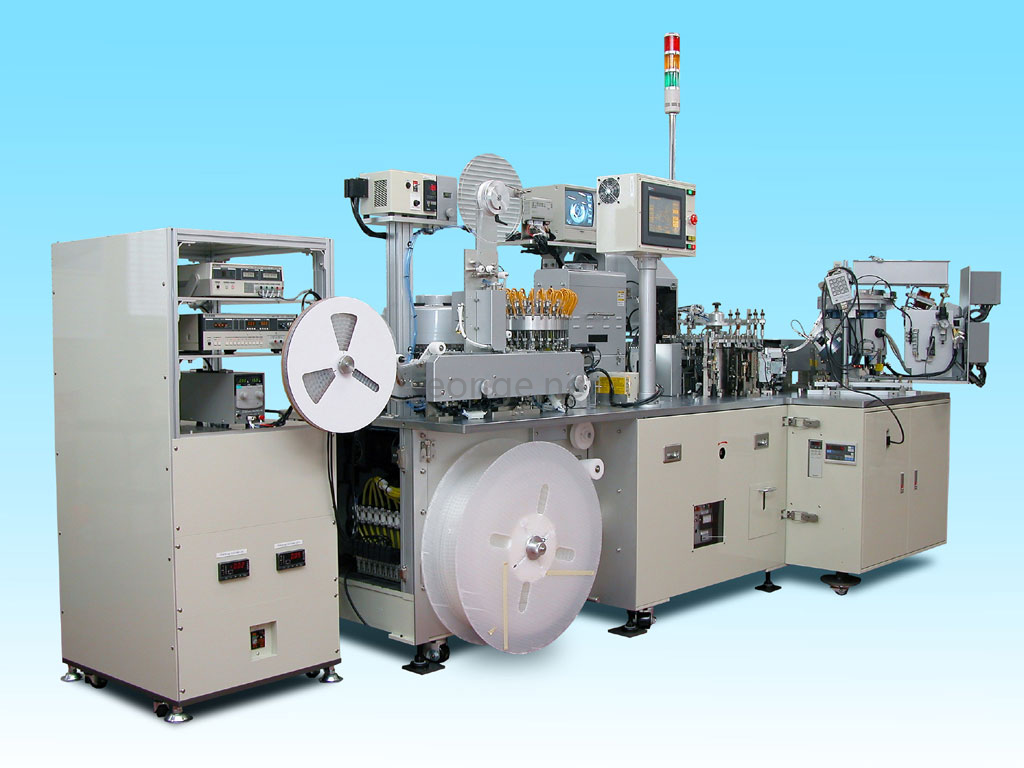
Electrical networks supply a wide range of loads, from industrial motors and transformers to commercial air-conditioning systems and automated production equipment. Many of these loads require reactive power to establish magnetic fields, creating additional demand on distribution infrastructure. A Reactive Power Compensation Device helps manage this demand by supplying or controlling reactive power according to the requirements of the electrical system. When properly selected and configured, compensation equipment can improve power factor, reduce unnecessary current flow, support voltage conditions, and make better use of existing electrical capacity.
Reactive power is necessary for the operation of many electrical devices, but excessive reactive demand can reduce the efficiency of power distribution. Higher current may increase losses in cables and transformers, contribute to voltage drops, and limit the capacity available for useful power delivery. Compensation can address part of this problem by balancing reactive demand closer to the point where it occurs. However, the appropriate solution depends on load characteristics, operating schedules, network impedance, and the electrical objectives of the facility. A detailed assessment should precede equipment selection.
Different compensation methods serve different operating requirements. Fixed capacitor banks may be suitable for relatively stable loads, while automatically switched systems can adjust compensation as demand changes. Dynamic solutions, including power-electronic equipment, may be appropriate where rapid variations require a faster response. The decision depends on load fluctuation, response time, harmonic conditions, budget, and maintenance capability. Engineers should evaluate actual operating data instead of selecting a system solely according to the facility's nominal power rating.
Component quality plays an important role in long-term reliability. Capacitors, switching devices, controllers, reactors, sensors, and protective components must operate together as an integrated system. Dielectric materials and insulation structures should match the intended electrical conditions, while switching equipment must be suitable for the expected operating frequency and current. Control components should provide accurate measurement and stable switching decisions. Proper coordination helps reduce unnecessary switching, excessive electrical stress, and premature component deterioration.
Harmonic distortion requires special attention in facilities using variable-frequency drives, rectifiers, welding equipment, and other nonlinear loads. Harmonic currents can interact with capacitor banks and create resonance conditions, potentially increasing current and temperature beyond acceptable levels. Before installing compensation equipment, engineers should assess the harmonic spectrum and evaluate the network's response. Detuned reactors, harmonic filters, or alternative compensation technologies may be needed depending on the results. Treating harmonic mitigation as part of system design helps avoid problems that might otherwise emerge after commissioning.
Installation planning should consider the physical environment and the electrical arrangement. Equipment requires suitable ventilation, secure mounting, appropriate cable sizing, effective grounding where applicable, and coordinated overcurrent protection. Ambient temperature, dust, moisture, and restricted airflow may affect service life. The installation should also provide safe access for inspection and maintenance. Connections must be tightened according to the manufacturer's instructions, and all wiring should be verified before energization. Qualified personnel should carry out commissioning in accordance with applicable standards and safety procedures.
Monitoring allows operators to evaluate whether the compensation system continues to meet its objectives. Measurements of voltage, current, power factor, reactive power, temperature, and switching activity can reveal changes in operating conditions. Historical data may help identify deteriorating connections, unexpected load patterns, or changes in harmonic levels. If production equipment is upgraded or operating schedules change, the original compensation settings may no longer be suitable. Periodic reviews help maintain alignment between the equipment configuration and the facility's actual requirements.
Maintenance practices should be based on manufacturer guidance, operating conditions, and the importance of the electrical installation. Inspections may identify abnormal heating, contamination, damaged insulation, loose connections, unusual noise, or ventilation problems. Protective devices and control functions should be checked according to the established maintenance plan. Before servicing capacitor equipment, personnel must follow approved isolation and discharge procedures because stored electrical energy can remain hazardous after disconnection. Maintenance records also help support troubleshooting and replacement planning.
For industrial operators, electrical contractors, utilities, and system integrators, selecting a Reactive Power Compensation Device involves evaluating load behavior, response requirements, harmonic conditions, component compatibility, and ongoing support. Shanghai Yongjin Electric Technology Co.,Ltd. provides electrical products for power distribution and related applications. Businesses planning power quality improvements can review available product information at https://www.eonge.net/product and assess technical suitability against their installation requirements.

 English
 Arabic
 French
 Portuguese
 Deutsch
 Turkish
 Dutch
Dutch
 Italiano
 Russian
 Romaian
 Portuguese (Brazil)
 Greek
Greek
