


Can Sustainable Materials Match Traditional Durability Standards
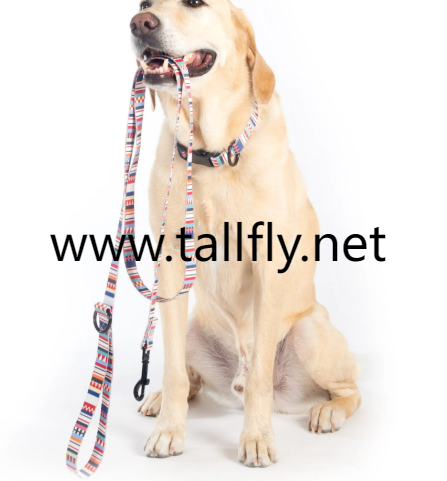
Walking equipment connects handlers to their canine companions during outdoor activities, providing control, safety, and communication throughout daily exercise routines. The materials from which this essential gear is crafted have evolved substantially over centuries, reflecting technological advances, changing user preferences, and improved understanding of both human and animal needs. Understanding how a Dog Leash Factory selects materials reveals the considerations balancing durability, comfort, safety, and environmental impact in modern manufacturing.
Historical materials reflected the resources available to early dog owners and the practical demands of working animals. Leather emerged as a natural choice due to its availability from livestock farming and its combination of strength and flexibility. Craftsmen cut strips from cattle, deer, or other animal hides, treating them to resist moisture and rot while maintaining pliability. The natural material developed character through use, softening with hand oils and conforming to individual handling styles. Leather's longevity when properly maintained made it valuable despite requiring periodic conditioning to prevent cracking and brittleness.
Hemp and other plant fiber ropes served as alternatives in regions where leather proved scarce or expensive. These natural fibers twisted into cords provided adequate strength for managing most dogs while costing less than processed leather. The rough texture offered secure grip but could cause rope burn during sudden pulls. Hemp's susceptibility to rot when stored wet limited its longevity compared to leather alternatives.
Chain links forged from metal provided solutions for dogs who chewed through softer materials. The metallic construction resisted even determined gnawing, though the weight and potential for rust created drawbacks. Handlers also discovered that chain could pinch fingers or damage property when dragged across surfaces, limiting its appeal beyond specific problem solving applications.
Modern synthetic materials revolutionized walking equipment through engineered properties unavailable in natural substances. Nylon webbing combines impressive tensile strength with lightweight portability and resistance to moisture, mildew, and rot. The woven construction distributes stress across multiple strands, preventing the catastrophic failure that occurs when single strand materials develop weak spots. Nylon also accepts dyes readily, allowing vibrant colors and patterns impossible with natural materials.
Polyester emerged as an alternative synthetic offering even greater UV resistance than nylon, maintaining its strength when exposed to prolonged sunlight that gradually degrades other materials. This durability makes polyester suitable for equipment stored outdoors or used in sunny climates where UV exposure accelerates material breakdown.
Biothane represents a modern innovation combining desirable characteristics from multiple material categories. This coated webbing features a polyester core encased in a vinyl or thermoplastic coating that creates a leather like appearance and feel. The waterproof construction requires no conditioning, wiping clean easily after muddy adventures. Biothane resists odor absorption and bacterial growth better than porous natural materials while maintaining flexibility across temperature extremes that make some synthetics stiff.
Reflective materials integrated into walking equipment address modern safety concerns in urban environments with vehicle traffic and limited lighting. Manufacturers weave reflective threads throughout webbing or apply reflective coatings that bounce light back toward its source, making dogs and handlers visible to drivers from significant distances.
Neoprene padding incorporated into handles improves comfort during extended holding or when managing strong pullers. This cushioning distributes pressure across larger hand surface areas, preventing the concentrated stress that causes discomfort or injury during sustained use.
Sustainable materials address growing environmental consciousness among consumers concerned about product lifecycle impacts. Recycled plastics repurposed into webbing reduce virgin material demand while diverting waste from landfills. Some manufacturers explore plant based alternatives to petroleum derived synthetics, developing walking equipment from renewable resources like bamboo fibers or recycled cotton.
Material selection affects not just the walking equipment itself but also the hardware and components attached to it. Stainless steel, brass, and zinc alloy each offer different combinations of strength, weight, and corrosion resistance that influence overall performance and longevity.
The evolution from historical to modern materials reflects broader technological progress while revealing that some traditional choices like quality leather remain valued for their distinctive characteristics despite synthetic alternatives. A Dog Leash manufactured today might incorporate materials from multiple categories, combining synthetic strength with natural comfort or traditional aesthetics with modern safety features. For walking equipment crafted from carefully selected materials balancing durability, comfort, safety, and environmental considerations, visit https://www.tallfly.net/ to review options utilizing both time tested natural substances and innovative modern synthetics.

 English
 Arabic
 French
 Spanish
 Portuguese
 Deutsch
 Turkish
 Dutch
Dutch
 Russian
 Romaian
 Portuguese (Brazil)
 Greek
Greek
