


Dermal Fillers Near Me: Discover Which Facial Areas Can Benefit From Injectable Fillers
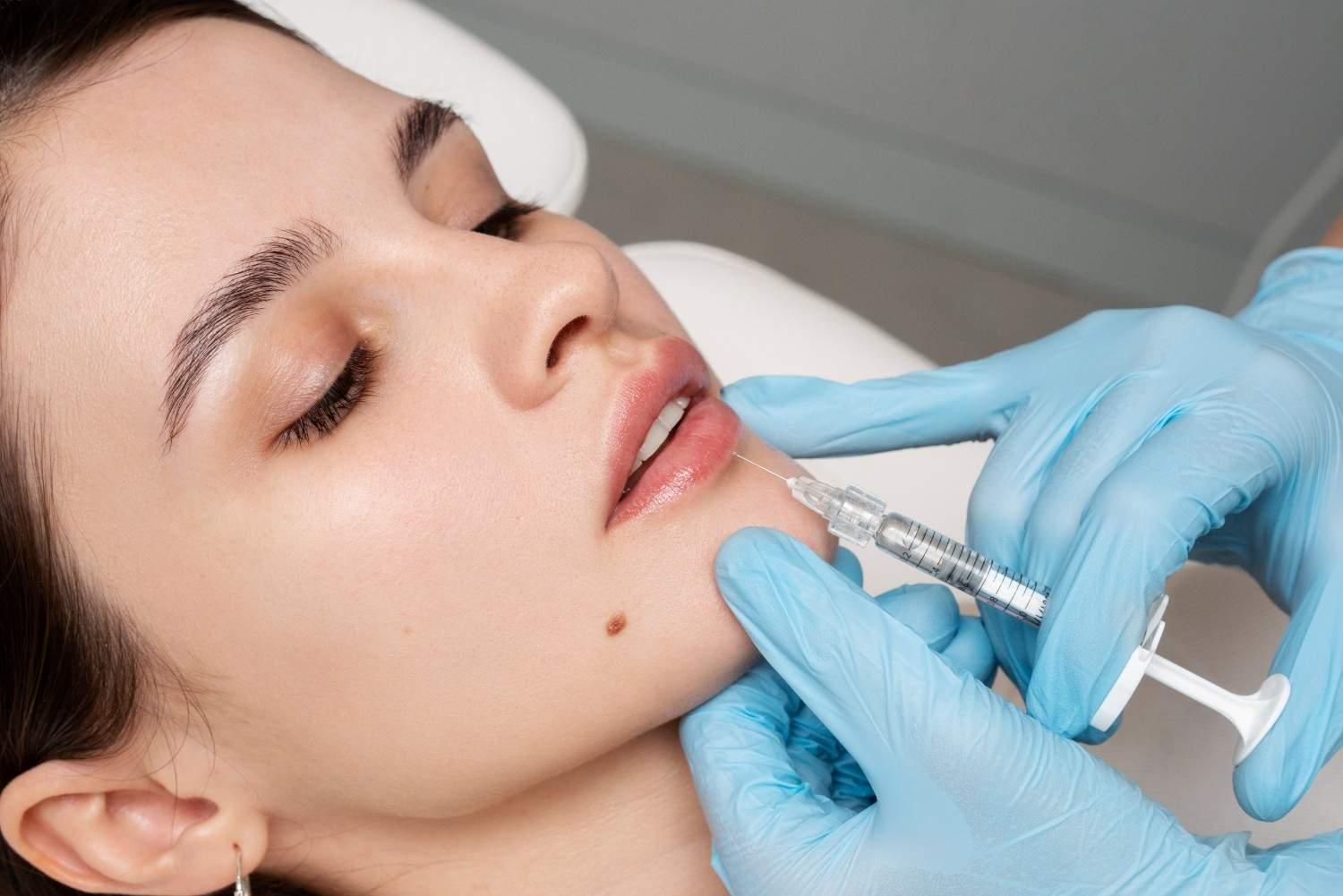
Facial features naturally change over time. You may notice less fullness in your cheeks, thinner-looking lips, or deeper folds around your mouth. These changes can influence facial balance, but they do not always require surgery. For suitable candidates, dermal fillers offer a non-surgical option for enhancing selected features and restoring lost volume.
If you are searching for dermal fillers near me, understanding which areas can benefit from treatment is a useful first step. Different facial regions have different anatomical structures, movement patterns, and aesthetic considerations. The right treatment depends on your goals, individual features, and a qualified provider’s assessment.
What Makes Dermal Fillers Different From Other Injectable Treatments?
Dermal fillers are injectable products designed to add volume, improve selected contours, or soften certain facial folds. Many commonly used fillers contain hyaluronic acid, which helps retain moisture in the skin and surrounding tissues.
Other aesthetic injectables work differently. Botulinum toxin injections temporarily reduce activity in specific muscles and are often used for certain expression-related lines. Fillers primarily provide volume or structural support rather than relaxing muscles.
These treatments are not interchangeable. Some concerns may respond better to a filler, a muscle-relaxing treatment, skincare, or another procedure. A professional assessment can help determine which approach is appropriate.
Facial Areas That May Benefit From Dermal Fillers
1. Lips: Volume, Shape, and Definition
Lip fillers are commonly considered by people who want fuller-looking lips, improved definition, or a more balanced appearance between the upper and lower lips.
Depending on your anatomy and goals, treatment may focus on subtle volume, lip-border definition, or selected areas of the lips. The aim should be to complement your natural features rather than create an exaggerated appearance.
Your provider should explain the limitations of treatment and discuss possible swelling, bruising, asymmetry, and other complications. Because the lips are highly vascular, appropriate injection technique and complication management are particularly important.
2. Cheeks: Restoring Facial Fullness
Changes in facial volume can make the cheeks appear flatter or less defined. In suitable candidates, cheek fillers may help restore fullness and improve the appearance of selected contours.
Treatment planning should account for facial proportions, existing volume, skin quality, and the relationship between the cheeks and surrounding features. Adding too much filler can create unwanted heaviness or an overly rounded appearance.
A qualified injector should determine whether volume restoration is likely to help your concern and explain what can realistically be achieved.
3. Nasolabial Folds: Softening Lines Around the Mouth
Nasolabial folds are the lines that extend from the sides of the nose toward the corners of the mouth. They are a normal facial feature, but they may become more noticeable with age and changes in facial volume.
Fillers may soften the appearance of selected folds in appropriate cases. However, these lines can have several contributing factors, so directly filling them is not always the best solution.
A provider may assess surrounding facial volume and skin characteristics before deciding whether treatment is appropriate. The objective is to improve the overall appearance without making the treated area look heavy or unnatural.
4. Chin: Improving Selected Facial Contours
Chin filler may be considered by some patients who want to improve chin projection or create a more balanced relationship between the chin and other facial features.
The treatment does not replace every option for addressing chin shape or structural concerns. Significant skeletal differences or functional issues may require evaluation by an appropriate medical professional.
Before proceeding, discuss the intended change, the product being used, possible risks, and how the result may affect your overall facial profile.
5. Jawline: Enhancing Definition
Some fillers can be used to improve the appearance of selected jawline contours in suitable patients. Treatment may be considered when the goal is greater definition or improved visual balance between the lower face and other features.
However, jawline filler is not a substitute for treatments addressing substantial skin laxity or excess fat. Adding volume where it is not needed may make the lower face appear wider or heavier.
An individualized assessment helps determine whether filler is likely to provide a suitable result.
6. Under-Eye Area: Addressing Selected Hollowing
Hollowing beneath the eyes can create shadows that make someone look tired. In carefully selected patients, certain fillers may improve the appearance of under-eye hollows.
This is a technically demanding area. The skin is thin, and swelling, visible irregularities, or a bluish discoloration known as the Tyndall effect may occur. Some people are not suitable candidates because of puffiness, skin characteristics, or other anatomical factors.
Anyone considering under-eye filler should seek an experienced, appropriately qualified provider who can explain the specific risks and alternative options.
How to Determine Which Area Is Right for You
When researching dermal fillers near me, begin by identifying the concern you would like to address. You do not need to know the exact treatment or product before your consultation.
Consider these questions:
-
Do you want to restore volume or improve the definition of a particular feature?
-
Are you seeking a subtle enhancement or a more noticeable contour change?
-
Have you previously received fillers or other cosmetic injections?
-
Do you have any relevant medical conditions, allergies, or medications that need to be discussed?
-
Are you comfortable with temporary results and the possibility of maintenance appointments?
Your provider should review these details and explain whether filler is appropriate. If another treatment would better address your concern, that possibility should be discussed openly.
What to Expect During a Filler Appointment
The process typically begins with a consultation covering your medical history, aesthetic goals, and expectations. The provider may assess facial proportions, examine the treatment area, and discuss the proposed product and injection plan.
Before treatment, ask about the product’s approved uses, expected duration, possible side effects, and total cost. You should have enough information to make an informed decision and should never feel pressured to proceed.
During injections, you may experience temporary discomfort, pressure, or a pinching sensation. Depending on the product and treatment area, a numbing agent may be used.
Afterward, mild swelling, redness, tenderness, or bruising may occur. Follow the provider’s aftercare instructions and attend recommended follow-up appointments.
How Long Do Results Last?
Filler longevity varies according to the product, injection area, amount used, and individual factors. Areas with frequent movement may behave differently from areas with less movement, and not all products last the same amount of time.
Your provider should offer a realistic estimate rather than guarantee a specific duration. Maintenance treatment may be considered when the effect gradually diminishes, but repeated injections should be based on an appropriate assessment rather than an automatic schedule.
Avoid adding more filler simply because an earlier treatment has settled. Too much product can affect facial proportions and produce unwanted results.
Safety Considerations Before Treatment
Although many people tolerate dermal fillers well, they are medical procedures with potential risks. Common temporary effects include swelling, bruising, redness, and tenderness. Less common complications can include infection, lumps, delayed inflammatory reactions, and asymmetry.
A rare but serious complication occurs when filler blocks a blood vessel. This can cause tissue damage and, in some cases, vision loss or stroke. Seek immediate medical attention if you experience unusual severe pain, skin discoloration, vision changes, or symptoms suggestive of a stroke.
When comparing dermal fillers near me options, confirm that the provider has appropriate training, uses suitable products, and can recognize and manage complications. Ask how you can reach the practice if unexpected symptoms develop after your appointment.
Conclusion
Dermal fillers can address several concerns, including lip volume, cheek fullness, selected facial folds, and certain contouring goals. However, each area requires a different approach, and not everyone is a suitable candidate for every treatment. If you are exploring dermal fillers near me, focus on your individual goals, provider qualifications, realistic expectations, and safety practices. A personalized consultation can help you understand which options may suit your features and whether treatment is appropriate for you.
Frequently Asked Questions
1. Can more than one facial area be treated during the same appointment?
Sometimes, but the decision depends on your goals, medical history, treatment plan, and the amount of filler required. Your provider should explain the benefits and risks of treating multiple areas rather than assuming that more treatment is better.
2. Are dermal fillers suitable for every type of facial wrinkle?
No. Fillers may improve certain folds associated with volume loss, but expression-related lines and skin texture concerns may require different approaches. A consultation can help identify the underlying concern.
3. Can filler treatment look natural?
A natural-looking result may be possible when the treatment is carefully tailored to facial anatomy and uses an appropriate amount of product. Individual results vary, and no provider can guarantee a particular appearance.
4. Is under-eye filler appropriate for everyone with dark circles?
No. Dark circles may result from pigmentation, visible blood vessels, hollowing, or other factors. Filler may help selected cases involving hollowing, but it may not improve other causes and can sometimes worsen puffiness.

 English
 Arabic
 French
 Spanish
 Portuguese
 Deutsch
 Turkish
 Dutch
Dutch
 Russian
 Romaian
 Portuguese (Brazil)
 Greek
Greek
