


Advanced Automation Technology for Efficient Paper Rolling
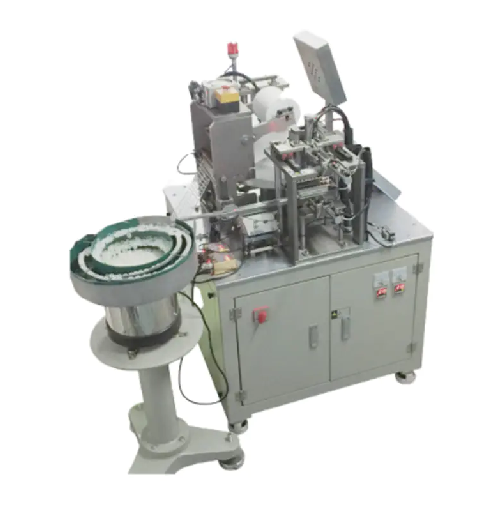
Paper processing depends on stable material movement, consistent tension, accurate alignment, and controlled winding. Variations in these conditions can affect the appearance, density, and structural consistency of finished rolls. An Automatic Paper Rolling Machine integrates feeding mechanisms, rollers, winding assemblies, drive systems, and process controls into a coordinated production workflow. This integrated design helps reduce repetitive manual handling while supporting more predictable manufacturing operations.
Paper materials can differ in thickness, flexibility, surface finish, moisture content, and tensile strength. These characteristics influence how the material behaves when moving through rollers and entering the winding section. Thin paper may be vulnerable to wrinkles or tearing under excessive tension, while heavier grades can place greater demands on drive mechanisms and supporting structures. Equipment design should therefore reflect the intended paper types and the characteristics required for the finished rolls.
Material feeding is the first important stage of the rolling process. Paper needs to enter the machine smoothly and remain aligned as it moves toward the winding assembly. Guide rollers, alignment devices, feeding mechanisms, and drive systems help regulate material direction and movement. Proper alignment reduces edge deviation and helps prevent folds from developing during processing. Consistent feeding also supports stable coordination between upstream material handling and downstream winding operations.
Tension regulation plays a central role in roll formation. Excessive tension can stretch, wrinkle, or damage paper, while insufficient tension may create loose or uneven rolls. Automated controls can coordinate the speed of feeding rollers and winding mechanisms to maintain a suitable relationship between material movement and rotational speed. Depending on the machine design, sensors and feedback systems can monitor operating conditions and support adjustments when material characteristics or production conditions change.
The winding mechanism must maintain consistent mechanical coordination throughout the process. Roller alignment, shaft stability, bearing performance, and drive transmission accuracy all influence the movement of the material. Uneven rotation or excessive vibration can affect winding consistency, especially during extended production runs. Appropriate mechanical design, accurate installation, and routine inspection help maintain stable movement and reduce unnecessary wear on critical components.
Modern control systems can connect feeding, alignment, tension regulation, and winding into a unified process. Programmable controllers coordinate motor operation and production sequences, while sensors monitor material position, equipment status, and other relevant conditions. A clear operator interface allows production personnel to review operating information and respond to abnormal conditions. These functions support more systematic production management without eliminating the need for skilled supervision.
Material compatibility should also be considered when selecting rollers and contact components. Their surface characteristics need to support smooth paper movement without causing excessive friction, marking, or damage. Bearings, belts, shafts, and transmission components should be appropriate for the operating environment and expected workload. Consistent maintenance of these parts contributes to reliable movement and helps prevent avoidable production interruptions.
Safety is essential because paper rolling equipment contains rotating shafts, moving rollers, and transmission mechanisms. Protective guards help limit accidental contact with moving components, while emergency stopping functions support responses to unexpected conditions. Maintenance procedures should include appropriate energy isolation before servicing the machine. Accessible inspection points also make it easier for technicians to check rollers, bearings, sensors, and mechanical connections.
Production flexibility is valuable when manufacturers process different paper grades or roll formats. Adjustable guides, configurable control settings, and adaptable winding structures can help accommodate changes in material characteristics and production requirements. Operators can establish suitable process settings for different materials without unnecessarily changing the entire equipment structure. Such flexibility can support a broader range of manufacturing tasks while maintaining a consistent operating approach.
Long-term performance depends on regular inspection and process monitoring. Production teams can review recurring alignment issues, tension variations, or equipment interruptions to identify opportunities for improvement. Preventive maintenance helps address component wear before it develops into larger problems, while organized operating records support better maintenance planning.
Ultimately, consistent paper rolling requires coordinated control of material feeding, alignment, tension, mechanical stability, and winding. An Automatic Paper Rolling Machine designed around these principles can support uniform roll formation and organized industrial paper processing. AMBE TRADE focuses on automation-oriented manufacturing solutions that integrate mechanical engineering and process control, with further information available at https://www.ambemedi.com/product/.

 English
 Arabic
 French
 Spanish
 Portuguese
 Deutsch
 Turkish
 Dutch
Dutch
 Italiano
 Russian
 Portuguese (Brazil)
 Greek
Greek
