


How Healthcare Animation Services Bring Medical Concepts to Life
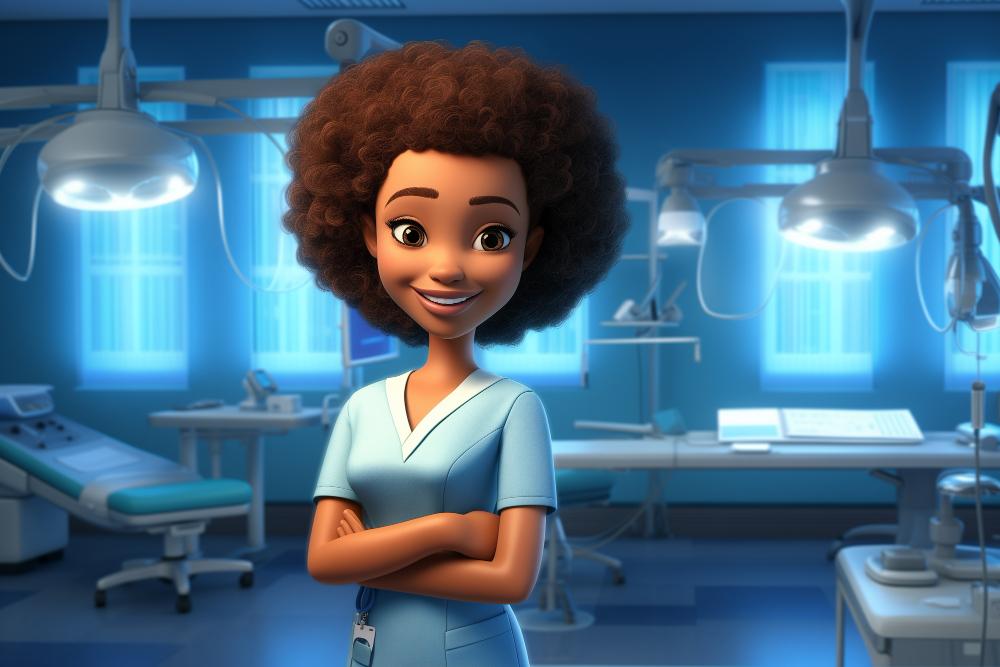
A patient may understand that a heart valve is not working properly, yet still struggle to picture what is happening inside the body. A physician can explain the procedure clearly, but words alone may not answer every question. This communication gap is one reason visual storytelling has become valuable across healthcare.
Medical animation can turn complex anatomy, procedures, disease processes, and treatment concepts into visuals that are easier to follow. For clinics, hospitals, health educators, and medical marketers, healthcare animation services can help transform difficult information into structured visual experiences without oversimplifying the subject.
Medical Concepts
Healthcare information often involves things patients cannot see directly. Blood flow, cellular activity, surgical techniques, drug mechanisms, and changes inside an organ all happen beneath the surface.
· A provider may explain these processes using medical terms, diagrams, or printed materials. Those tools can work well for some audiences, but they may leave others trying to build a mental picture from unfamiliar information.
· Animation provides another layer of explanation. A carefully designed sequence can show where a condition develops, how a procedure is performed, or how a medical device interacts with the body.
For example, an orthopedic practice could use animation to demonstrate how a damaged joint affects movement. A cardiology practice might show how plaque can narrow an artery and affect blood flow. The goal is not to replace the physician's explanation, but to make that explanation easier to visualize.
Healthcare Animation
Medical animation is not limited to attractive graphics or promotional videos. Its value comes from showing information that is otherwise difficult to demonstrate.
· Anatomy and Disease Processes
Three-dimensional animation can provide views of organs, tissues, blood vessels, and other structures from different angles. This can help explain how a disease affects a specific part of the body.
For instance, an educational animation about spinal stenosis could illustrate how narrowing around the spinal canal may affect nearby nerves. Instead of relying on several paragraphs of anatomical description, viewers can see the relationship between the structures.
· Medication and Cellular Mechanisms
Some medical concepts occur at a microscopic level. Animation can make these processes visible by illustrating how a medication interacts with a target or how cells respond to a biological process.
These visuals are useful for patient education, pharmaceutical communication, professional training, and healthcare marketing. Healthcare animation services can help organize these complex ideas into a sequence that viewers can follow without needing advanced medical knowledge.
How the Animation Process Turns Complex Information into a Story
The first step is usually defining the communication goal. Is the animation explaining a procedure to patients? Training healthcare professionals? Supporting a pharmaceutical presentation? Or helping a clinic explain a specialized service?
The answer affects everything from visual detail to terminology.
· From Medical Concept to Visual Script
Once the goal is clear, the information can be organized into a script or storyboard. This stage determines what viewers need to see and in what order.
For a surgical animation, the sequence might begin with the relevant anatomy, move into the problem being addressed, explain the procedure, and finish with appropriate recovery information.
· From Storyboard to Animation
After the storyboard is approved, designers build the visual elements and animation. Depending on the project, this could involve 2D graphics, 3D anatomical models, motion graphics, text overlays, or a combination of techniques.
Voiceover, captions, sound design, and pacing also matter. A technically impressive animation can still fail if viewers cannot understand the narration or if important information moves too quickly.
That is why healthcare animation services should be evaluated on communication quality as well as visual quality.
What Makes a Medical Animation Effective?
A polished animation is not automatically an effective one. Healthcare audiences need clarity, accuracy, and appropriate context.
1. Medical Accuracy Comes First
Anatomical structures should be represented correctly, and procedural sequences should reflect the intended educational purpose. If a concept has important limitations or variations, the animation should not imply that every patient experiences it in the same way.
2. The Visuals Should Match the Audience
A patient-facing animation does not need the same level of detail as a training video for surgeons or other healthcare professionals.
Patients may benefit from simplified anatomy and plain-language narration. Professional audiences may need more detailed structures, terminology, and procedural information.
3. Every Scene Should Have a Purpose
A better approach is to use motion to direct attention. If the video is explaining blood flow, movement should help viewers follow the path of blood rather than compete with the narration.
Common Mistakes to Avoid in Healthcare Animation
Another problem is using technical language without context. Terms such as “arthroscopy,” “stenosis,” or “angioplasty” may be familiar to healthcare professionals but unfamiliar to many patients. A short plain-language explanation can make the content more accessible.
Visual exaggeration is another concern. Dramatic effects may attract attention, but they can also create inaccurate impressions about anatomy, treatment, or risk. Medical communication should remain engaging without sacrificing accuracy.
Choosing the Right Healthcare Animation Partner
Ask whether the production team understands medical terminology, patient communication, regulatory considerations, and the intended audience. Find out how medical information is reviewed and how revisions are handled.
Reviewing previous healthcare projects can also reveal whether the team knows how to balance scientific detail with visual clarity. Healthcare animation services should ultimately make complicated information easier to understand, not simply make it look more sophisticated.
For organizations developing patient-facing digital content, MediVerticals can be explored alongside other healthcare-focused digital communication resources.
Bringing Medical Information Closer to the Patient
Good healthcare communication does more than deliver information. It helps people understand what they are being told and gives them a clearer basis for discussing questions with their healthcare provider.
That is where well-planned medical animation can make a practical difference. By combining accurate medical information, thoughtful storytelling, appropriate visuals, and audience-specific language, healthcare animation services can turn difficult concepts into experiences that are easier to follow.

 English
 Arabic
 French
 Spanish
 Portuguese
 Deutsch
 Turkish
 Dutch
Dutch
 Italiano
 Russian
 Romaian
 Greek
Greek
