


Jewellery Repair London: How to Restore and Protect Your Favourite Pieces
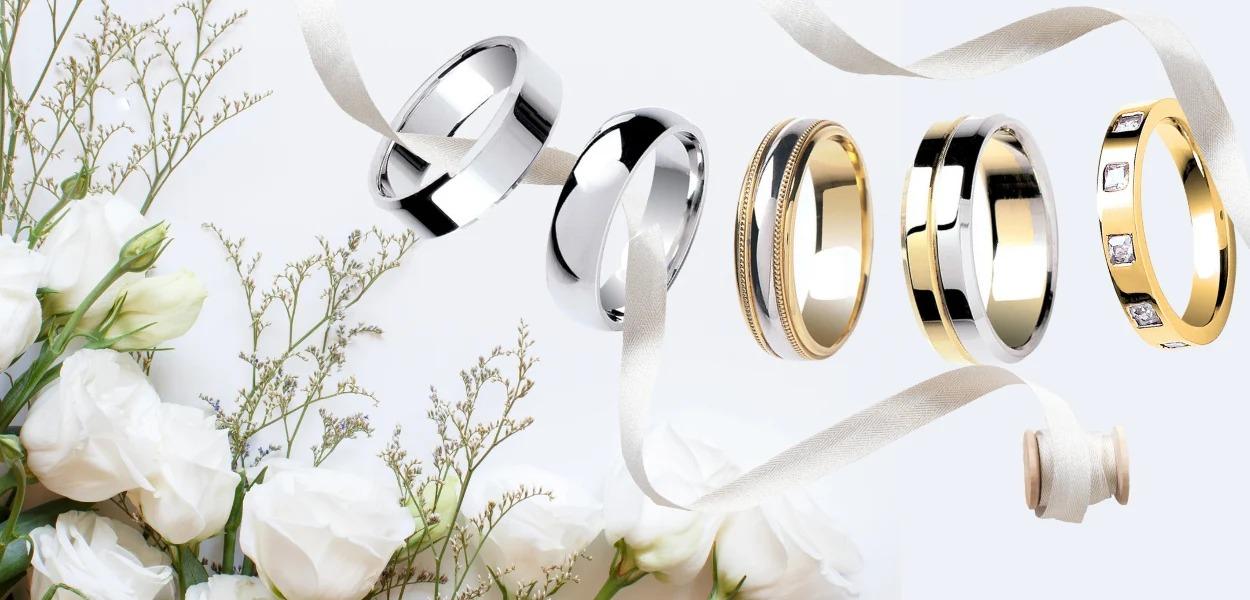
Jewellery often carries more than financial value. A gold ring might mark a special anniversary, a necklace may have been passed down through generations, or a pair of earrings could remind you of someone important. When a favourite piece becomes damaged, worn or difficult to wear, repairing it can be a meaningful way to keep its story alive.
If you are looking for jewellery repair London, understanding the available services can help you make a confident decision. From repairing a broken chain to restoring an old ring, professional jewellery care can help preserve the appearance, comfort and usability of your treasured pieces.
At Gold Centre Fulham, jewellery owners can explore repair options for pieces that need attention. The right approach depends on the type of jewellery, the materials involved and the extent of the damage.
When Should You Get Jewellery Repaired?
Small jewellery problems can be easy to overlook. However, leaving certain issues untreated may increase the risk of further damage or losing a valuable item.
Look out for these common warning signs:
-
Loose gemstones: A diamond or coloured stone that moves within its setting may need professional attention before it falls out.
-
Damaged chains: Weak links, stretched sections or a broken clasp can make a necklace or bracelet unsafe to wear.
-
Worn ring bands: Repeated everyday wear can gradually thin the metal, particularly underneath a ring.
-
Loose earring fittings: A faulty post, back or fastening can make earrings uncomfortable or easy to lose.
-
Bent or misshapen jewellery: Bangles, rings and other delicate pieces can become distorted after an impact.
-
Dull or scratched surfaces: Regular use can affect the finish of gold and silver jewellery over time.
If you notice a loose stone, a crack or a weakened fastening, it is sensible to stop wearing the item until a jeweller has assessed it. Avoid trying to force a damaged piece back into shape yourself.
Common Jewellery Repair Services in London
Different pieces require different repair methods. An experienced jeweller can assess the damage and explain which options are suitable for the metal, setting and design.
1. Ring Resizing and Band Repairs
A ring that no longer fits comfortably can be inconvenient, especially if it is an engagement ring or wedding band worn every day.
Ring resizing can make a piece larger or smaller, depending on its design and construction. The jeweller will need to consider the metal, the thickness of the band and whether the ring contains gemstones around its circumference.
Not every ring can be resized in the same way. Eternity rings, intricate patterns and certain alternative-metal designs may require specialist assessment.
If the band has become thin or worn, ask whether it needs strengthening rather than simply resizing. Addressing the underlying issue can help make the ring more suitable for continued wear.
2. Broken Necklace and Bracelet Chains
A broken chain does not always mean you need to replace the entire necklace or bracelet. Depending on the damage, a jeweller may be able to repair a link, reconnect a section or replace a faulty fastening.
The repair method depends on the chain's construction. Fine chains, hollow links and intricate designs need careful handling to avoid causing additional damage.
Before arranging a repair, explain how the chain broke and whether it has been repaired previously. This information can help the jeweller assess the problem and recommend an appropriate solution.
3. Clasp and Fastening Replacement
Clasps are among the most frequently used parts of necklaces and bracelets. Repeated opening and closing can wear their mechanisms, making them difficult to secure.
A clasp that no longer closes properly can put the entire piece at risk. Replacing it with a suitable fastening may restore both convenience and security.
The replacement should match the jewellery's weight, style and intended use. A delicate necklace and a substantial gold bracelet may need very different clasp designs.
4. Diamond and Gemstone Setting Repairs
Gemstones need secure settings to remain in place. Prongs can wear down, bezels may become damaged, and everyday knocks can affect how securely a stone sits.
If a gemstone appears loose, avoid wearing the jewellery until it has been checked. A jeweller can inspect the setting and determine whether it needs tightening, rebuilding or more extensive work.
This is particularly important for diamond engagement rings and heirloom pieces, where the stone may hold considerable financial or sentimental value.
5. Cleaning, Polishing and Surface Restoration
Over time, jewellery can collect residue from skincare products, soap and everyday handling. Gold and silver surfaces may also develop scratches and lose some of their original shine.
Professional cleaning and polishing can improve the appearance of suitable pieces. However, polishing removes a small amount of metal, so it should not be carried out excessively, particularly on antique jewellery or items with fine details.
Some pieces may also need specialist treatment because of gemstones, enamel, plating or delicate finishes. Always ask which cleaning method is appropriate before proceeding.
Repairing Gold and Silver Jewellery
Gold and silver jewellery can both benefit from professional maintenance, but their properties and construction influence the repair process.
Gold jewellery is available in different purities and colours, while silver pieces may have polished, oxidised or plated finishes. A repair should take these characteristics into account.
For example, repairing a white gold ring may involve considerations that differ from those for a yellow gold band. Similarly, polishing silver with a deliberately darkened finish could alter its intended appearance if the wrong technique is used.
If you are unsure what your jewellery is made from, tell the jeweller what you know about its history and any markings. UK hallmarking provides information about precious-metal fineness and can help identify a piece's metal standard. The official guidance is available from GOV.UK's hallmarking advice.
How Much Does Jewellery Repair Cost in London?
There is no single price for every repair. The cost depends on the type of work, the materials required, the complexity of the design and the condition of the jewellery.
A simple fastening replacement may involve less work than rebuilding a worn ring band or resetting a valuable gemstone.
Before agreeing to a repair, ask the jeweller to explain:
-
What work is required and why.
-
Whether replacement parts or additional materials are needed.
-
The estimated total cost.
-
How long the repair is likely to take.
-
Whether there are any limitations or risks associated with the proposed work.
For older, antique or sentimental pieces, it is also worth asking whether the repair could affect the original design or finish.
A clear estimate helps you compare your options and decide whether the proposed work is appropriate for your jewellery.
How to Choose a Jewellery Repair Service in London
Choosing a repair service is about more than finding the lowest price. You want to feel confident that your jewellery will be handled carefully and that you understand what will happen to it.
Here are five useful things to consider.
Look for relevant experience. Ask whether the jeweller has experience with your specific repair, especially if the item contains valuable stones or has an unusual design.
Request an assessment. A professional should examine the piece before recommending work. A photograph alone may not reveal hidden wear or structural weaknesses.
Ask for a clear quote. Make sure you understand the proposed repair, the expected cost and any possible additional charges.
Discuss sentimental or antique pieces. If preserving the original appearance matters to you, explain this before the work begins. Some repairs involve a balance between structural strength and retaining the original character.
Understand the repair process. Ask how the item will be handled, whether any stones need to be removed and what care may be required afterwards.
A good repair experience should leave you informed about the work, rather than uncertain about what has been done.
Why Repairing Jewellery Can Be Better Than Replacing It
Buying a new piece may seem like the easiest solution when jewellery becomes damaged. However, repair can offer several advantages.
First, it allows you to continue wearing a piece that already suits your style. You may also preserve its sentimental meaning, especially when it was received as a gift or inherited from a family member.
Repairing an existing item may also avoid the need to purchase an entirely new piece. The financial benefit depends on the damage, the materials and the work required, so it is worth comparing the repair estimate with replacement options.
There is also a practical benefit to maintaining jewellery regularly. Addressing loose settings, worn bands and faulty clasps early may help prevent more extensive damage later.
Repair is not always the best option for every item, but a professional assessment can help you weigh the alternatives.
How to Care for Jewellery After a Repair
Once your jewellery has been repaired, a few simple habits can help keep it in good condition.
-
Remove rings and bracelets before activities that could expose them to knocks or heavy pressure.
-
Store jewellery separately to reduce scratches and tangling.
-
Keep chains fastened when storing them to help prevent knots.
-
Avoid exposing delicate pieces to harsh cleaning products.
-
Check clasps and settings periodically for signs of wear.
-
Arrange a professional inspection if a stone moves or a fastening becomes unreliable.
Follow any care instructions provided by the jeweller, particularly if the repair involved gemstones, plating or a delicate setting.
Jewellery Repair London: Give Your Favourite Pieces a New Lease of Life
Damaged jewellery does not always need to be replaced. With the right assessment and repair, a favourite ring, necklace, bracelet or pair of earrings may be suitable for many more years of wear.
If you are considering jewellery repair London, start by identifying the problem, asking about the available repair options and requesting a clear estimate before committing to the work.
Gold Centre Fulham can be a starting point for exploring jewellery care and repair options. Visit the jewellery repair page to find out more and discuss your requirements.
Taking care of jewellery today can help protect both its appearance and the memories attached to it.
Frequently Asked Questions
1. Can a broken gold chain be repaired?
In many cases, yes. The appropriate repair depends on the chain's design, metal and the location of the break. A jeweller can assess whether a link can be repaired or whether a section needs replacing.
2. Is it possible to repair an old or inherited ring?
Often, yes. The jeweller will need to check the condition of the band, setting and gemstones before recommending suitable work. Antique or delicate rings may require specialist care to preserve their original character.
3. Can a loose diamond be secured again?
A jeweller may be able to tighten or rebuild the setting, depending on its condition. Avoid wearing the ring until it has been inspected, as a loose diamond could fall out.
4. How long does jewellery repair take?
The timeframe varies according to the type of repair, the complexity of the piece and whether parts or specialist work are required. Ask for an estimated completion time when requesting a quote.
5. Is jewellery repair cheaper than buying a replacement?
It can be, particularly when the damage is minor. However, extensive repairs may cost more than expected, so compare a professional estimate with the cost of replacing the item.
6. Can scratched gold jewellery be polished?
Many gold pieces can be professionally polished to improve their appearance. The jeweller should first assess the item's condition, as repeated polishing removes a small amount of metal and may affect fine details.
7. Should I clean jewellery before taking it for repair?
You do not need to carry out a deep clean before an assessment. If the item is delicate, damaged or contains loose stones, avoid cleaning it yourself and let the jeweller examine it safely.

 English
 Arabic
 French
 Portuguese
 Deutsch
 Turkish
 Dutch
Dutch
 Italiano
 Russian
 Romaian
 Portuguese (Brazil)
 Greek
Greek
