


How Does Botox for Foot Sweating Work Effectively?
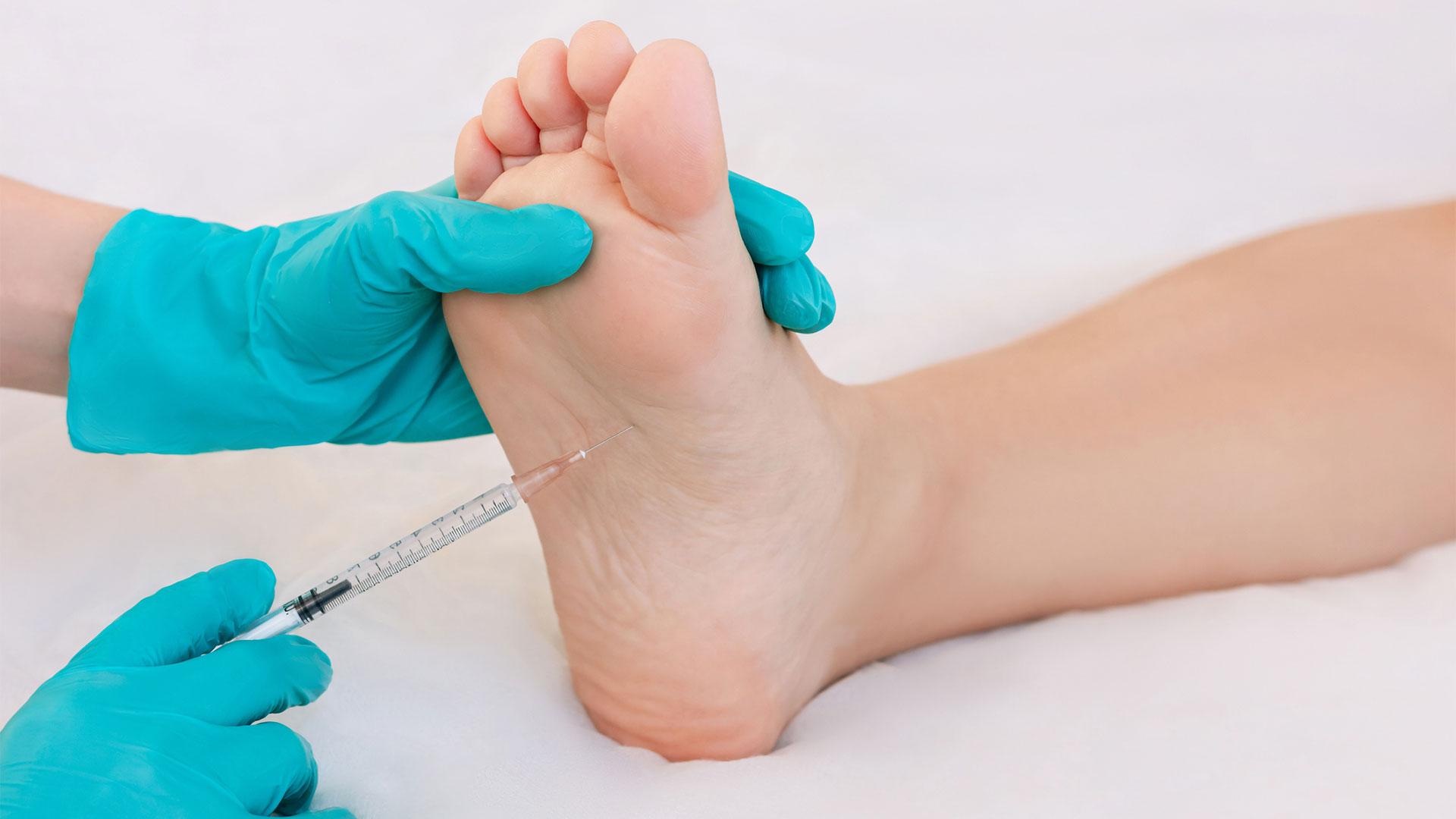
Excessive foot sweating can turn everyday activities into an uncomfortable experience, making shoes feel damp, causing unpleasant odors, and affecting confidence during social or professional situations. While sweating is a natural process that helps regulate body temperature, some people experience it far more than necessary. Fortunately, modern aesthetic and medical treatments offer effective ways to manage this concern. Botox for Foot Sweating in Dubai is one option that can help reduce excessive perspiration by temporarily blocking the nerve signals responsible for activating sweat glands. Understanding how this treatment works, what to expect, and how long its effects may last can help you decide whether it suits your needs.
What Causes Excessive Foot Sweating?
Excessive sweating of the feet, medically known as plantar hyperhidrosis, occurs when the sweat glands produce more moisture than the body needs for temperature regulation. This condition can develop even when the weather is cool or a person is resting.
Understanding Overactive Sweat Glands
The nervous system controls sweat production through signals sent to sweat glands. In people with hyperhidrosis, these signals can become overactive, triggering excessive perspiration without an obvious reason.
Common signs include:
-
Persistently damp or wet feet.
-
Unpleasant foot odor caused by moisture and bacterial activity.
-
Slippery feet inside shoes or sandals.
-
Skin irritation from prolonged moisture.
-
Discomfort when walking barefoot or wearing open footwear.
Although breathable shoes, moisture-absorbing socks, and antiperspirants may help, some people need additional treatment when these measures do not provide sufficient relief.
How Does Botox for Foot Sweating Work?
Botox works by temporarily interrupting the communication between specific nerves and sweat glands. It contains botulinum toxin type A, a purified substance that affects the release of a chemical messenger called acetylcholine.
Under normal circumstances, acetylcholine signals sweat glands to produce perspiration. When Botox is injected into the appropriate areas of the soles, it reduces the release of this messenger, limiting the signals that stimulate sweating.
How the Treatment Reduces Perspiration
The process typically involves several steps:
-
Assessment: A qualified medical professional evaluates your sweating symptoms, medical history, and treatment suitability.
-
Treatment planning: The areas of the soles that produce excessive sweat are identified.
-
Targeted injections: Small amounts of Botox are injected into selected areas of the skin using a fine needle.
-
Reduced nerve activity: The treatment temporarily blocks the chemical signals that activate the sweat glands.
-
Gradual improvement: Sweating generally decreases over the following days, with results becoming more noticeable as the treatment takes effect.
Botox does not permanently destroy sweat glands. Instead, it temporarily reduces their activity, which is why the effects gradually wear off.
What Happens During the Treatment?
Understanding the treatment process can make the experience less intimidating, particularly for people who are concerned about injections in the soles of their feet.
Preparing for the Procedure
Before treatment, the practitioner reviews your symptoms and checks for possible contraindications. They may also assess the distribution of sweating to determine which areas require attention.
Because the soles can be sensitive, a suitable method of pain management may be discussed. Depending on individual needs, this may involve a topical anesthetic or another appropriate technique.
Receiving the Injections
The practitioner administers multiple small injections across the affected areas. The number and placement of injections depend on the size of the treatment area and the severity of sweating.
The procedure is generally completed during an outpatient appointment, and most people can return to their usual daily activities relatively quickly. However, aftercare instructions should be followed carefully.
When Will You Notice Results?
Botox does not usually stop foot sweating immediately. Some people begin noticing improvement within a few days, while the full effect may take around one to two weeks.
The response varies according to individual physiology, treatment technique, and the severity of hyperhidrosis.
How Long Do the Effects Last?
Results commonly last several months, although the duration differs from person to person. Sweating may gradually return as nerve activity recovers.
Some individuals choose repeat treatments when symptoms become bothersome again. A healthcare professional can help determine an appropriate interval based on the response to previous sessions and individual medical needs.
What Are the Benefits of Botox for Foot Sweating?
For people who struggle with persistent moisture, reducing sweat production can make everyday life more comfortable.
Potential benefits include:
-
Less moisture: Reduced perspiration can help keep the soles drier.
-
Improved comfort: Dry feet may feel more comfortable inside shoes.
-
Better confidence: Managing visible or noticeable sweating can ease concerns in social situations.
-
Less moisture-related irritation: Reduced dampness may help limit skin problems associated with prolonged wetness.
-
Convenient treatment: The procedure is generally performed without surgery and requires little downtime.
However, Botox does not guarantee completely dry feet, and it may not eliminate odor if other contributing factors are present.
Are There Any Risks or Side Effects?
Like any medical procedure, Botox injections can cause side effects. Temporary injection-site pain, redness, swelling, or bruising may occur. Some people experience tenderness or discomfort while walking after treatment.
Rarely, more significant complications can develop. Treatment should be performed by a qualified healthcare professional who understands the anatomy of the feet and the appropriate use of botulinum toxin.
People with certain neuromuscular conditions, relevant allergies, or other medical concerns may not be suitable candidates. A proper consultation is essential before proceeding.
Is Botox the Right Choice for You?
Botox may be worth considering if excessive foot sweating interferes with your comfort, footwear choices, or daily activities and conventional treatments have not helped enough.
A professional assessment can confirm whether you have plantar hyperhidrosis and help rule out other causes of excessive sweating. Depending on your symptoms, alternatives such as prescription antiperspirants, iontophoresis, or other medical treatments may also be appropriate.
Conclusion
Botox can effectively reduce excessive foot sweating by temporarily blocking the nerve signals that stimulate sweat glands. With carefully targeted injections, many people experience drier feet, improved comfort, and greater confidence for several months. Results and treatment experiences vary, so realistic expectations and professional guidance are important. If persistent foot perspiration affects your quality of life, discussing available options with a qualified healthcare professional can help you identify a suitable approach to managing your symptoms.

 English
 Arabic
 French
 Portuguese
 Deutsch
 Turkish
 Dutch
 Italiano
 Russian
 Romaian
 Portuguese (Brazil)
 Greek
