


AC-EPIC2000: A Complete Guide to High-Power Bass Performance and Modern Car Audio Upgrades
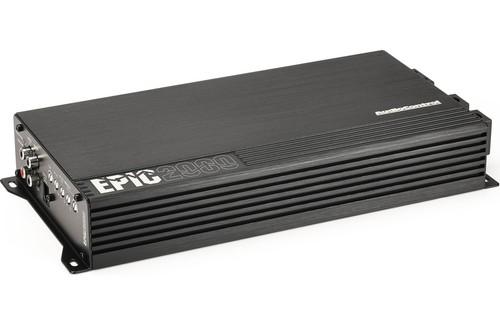
Modern car audio upgrades are no longer just about adding a subwoofer and turning up the volume. Drivers want a system that delivers deep bass, clear musical detail, consistent output, and dependable performance during everyday driving. Achieving that combination requires careful equipment selection, proper installation, and an understanding of how every component contributes to the final sound.
The AC-EPIC2000 is a model worth exploring when planning a high-power car audio system focused on substantial bass output. However, getting the most from an amplifier involves more than comparing wattage figures. Subwoofer compatibility, electrical capacity, enclosure design, signal quality, and system tuning all influence the listening experience. This guide explains how to approach a modern bass upgrade, avoid common installation problems, and build a system designed for performance and reliability.
Start With the Sound You Want to Achieve
Before choosing equipment, define what a successful upgrade means for your vehicle. Some enthusiasts want bass that creates a strong physical impact, while others prefer a more balanced sound that supports vocals, instruments, and different musical genres.
These preferences affect the type of subwoofer, enclosure, and amplifier configuration that makes sense for your build. A system designed for occasional high-volume listening may have different requirements from one intended for daily use across a wide range of music.
Consider three priorities:
-
Bass depth: How well the system reproduces low-frequency sounds without losing definition.
-
Output capability: How much clean sound the system can deliver at your preferred listening level.
-
Long-term reliability: How effectively the components manage heat, electrical demand, and regular use.
Establishing these priorities early helps prevent unnecessary purchases and keeps the entire upgrade focused on a clear goal.
What to Consider When Evaluating the AC-EPIC2000
When researching the AC-EPIC2000, begin with its verified technical specifications rather than relying solely on the model name or advertised power category. Confirm the manufacturer's RMS output ratings, supported impedance loads, electrical requirements, and recommended installation practices for the exact version you intend to purchase.
RMS power is particularly useful because it describes continuous output under specified conditions. Peak or maximum wattage figures may communicate short-duration capability, but they should not replace RMS ratings when matching an amplifier to a subwoofer.
Impedance is another essential consideration. An amplifier's available output can change depending on the resistance presented by the connected subwoofer. However, the amplifier must support the final load created by the voice-coil wiring. Operating below its specified impedance can lead to excessive current draw, overheating, or protection shutdowns.
Also consider the amplifier's physical dimensions, ventilation requirements, input connections, and compatibility with your existing audio equipment. Checking these details before purchasing can prevent installation complications later.
Build a Subwoofer Combination That Makes Sense
The subwoofer is responsible for converting the amplifier's electrical output into the low-frequency sound you hear and feel. Its specifications therefore play a central role in determining how well the system performs.
Start by comparing the subwoofer's RMS power handling with the amplifier's actual output at the intended impedance. The objective is not necessarily to make both ratings identical. Instead, choose a combination that allows the subwoofer to operate within its limits while providing the output required for your listening preferences.
Voice-coil configuration also affects compatibility. Dual-voice-coil subwoofers, for example, may support multiple wiring arrangements. Each arrangement creates a particular final impedance, so calculate the load before connecting the equipment.
Sensitivity, excursion capability, and enclosure recommendations deserve attention as well. A subwoofer with suitable specifications can perform effectively without requiring excessive power, while a poorly matched driver may struggle even when paired with a powerful amplifier.
If you plan to use multiple subwoofers, evaluate the combined impedance, total RMS power handling, available enclosure space, and electrical demand before finalizing the design.
Enclosure Design Can Transform Bass Quality
Two systems using similar amplifiers and subwoofers can produce noticeably different results because their enclosures are not the same. The enclosure affects the driver's acoustic behavior, influencing bass extension, output, and response across different frequencies.
A sealed enclosure is often considered by listeners who value controlled bass and a relatively compact installation. A ported enclosure can provide greater output around its tuning frequency when designed correctly, making it attractive for builds that emphasize stronger low-frequency impact.
The best choice depends on the subwoofer manufacturer's recommendations and the intended sound profile. An enclosure that is too small, too large, or incorrectly tuned may limit performance rather than improve it.
Construction quality matters just as much as enclosure type. Secure panels, suitable internal volume, proper sealing, and correctly designed ports help prevent air leaks and unwanted noise. Weak panels can flex under pressure, creating vibrations that distract from the music.
Before building or purchasing an enclosure, measure the available space in your vehicle. Account for the enclosure's external dimensions, the room needed for installation, and access to storage areas. A practical design should support the subwoofer's requirements without making the vehicle difficult to use.
Prepare the Vehicle's Electrical System for the Upgrade
High-power audio equipment can place a significant demand on a vehicle's charging and electrical systems. If the wiring or power supply is inadequate, the amplifier may not operate consistently under heavy loads.
Begin by checking the condition of the battery, alternator, factory wiring, and existing electrical connections. The required upgrades depend on the amplifier's verified current demand, the vehicle's electrical capacity, and how the system will be used.
Correct cable sizing is essential. Power and ground cables should be selected according to the expected current, cable length, installation conditions, and manufacturer recommendations. A cable that is too small can create excessive voltage drop and heat.
The ground connection must also be secure. Poor grounding can contribute to unreliable operation, unwanted noise, and performance problems. Use an appropriate grounding point and ensure the connection has sound metal-to-metal contact.
Install the main power fuse close to the battery, using a fuse rating suitable for protecting the cable and meeting the equipment's requirements. Route wiring away from sharp metal edges, moving components, and heat sources.
If the system causes repeated voltage drops or noticeable electrical problems, have the vehicle's charging system assessed before adding more equipment. An additional battery or other electrical upgrade should be selected based on actual system requirements, not as a substitute for diagnosing an underlying problem.
Integrate the Amplifier With a Modern Audio Setup
Today's car audio systems can include factory infotainment units, aftermarket head units, digital signal processors, component speakers, and multiple amplifiers. Integrating a powerful subwoofer amplifier into this environment requires attention to signal quality and compatibility.
First, determine how the audio signal will reach the amplifier. Depending on the existing equipment, the installation may use compatible preamp outputs or an appropriate interface for the factory system. Verify the required input type and signal range before connecting anything.
Factory audio systems may apply equalization, bass roll-off, or volume-dependent processing. These behaviors can affect the signal delivered to an aftermarket amplifier. In some vehicles, an appropriate integration interface or digital signal processor can help provide a more suitable signal.
Grounding and cable routing also influence noise performance. Keep signal cables away from high-current power wiring where practical, and make sure all connections are secure.
The goal is to integrate the new bass system without compromising the operation of the vehicle's existing speakers or infotainment features. A well-planned installation can preserve everyday usability while adding the low-frequency performance the original system lacks.
Tune for Clean Output Instead of Maximum Volume
Correct tuning helps an amplifier and subwoofer work together effectively. Even high-quality equipment can sound disappointing if gain, crossover, and equalization settings are poorly configured.
Gain should match the amplifier's input sensitivity to the signal supplied by the head unit or processor. It is not simply a volume control, and turning it up does not automatically produce clean additional power. Excessive gain can cause clipping and increase the risk of damage to connected components.
Crossover settings help divide the audio signal between the subwoofer and the main speakers. A low-pass filter restricts the frequencies sent to the subwoofer, allowing it to concentrate on bass reproduction. The appropriate setting depends on the subwoofer, the main speakers, the vehicle's acoustics, and how the components blend together.
Avoid applying large amounts of bass boost before checking the rest of the setup. Boosting selected frequencies increases the system's demand for power and can push the amplifier or subwoofer beyond a safe operating range.
Listen to familiar tracks with different bass characteristics and adjust settings gradually. If the bass sounds muddy, overwhelms vocals, or becomes harsh as the volume rises, revisit the gain, crossover, enclosure, and signal settings rather than assuming that more power is the answer.
Manage Heat, Mounting, and Everyday Reliability
A high-output amplifier needs a suitable mounting location. Restricted airflow, loose connections, and excessive vibration can create problems over time, particularly in vehicles exposed to high temperatures or rough road conditions.
Choose a secure location that allows the amplifier to dissipate heat according to its installation instructions. Do not block ventilation openings or place the unit where moisture or loose cargo can damage it.
Mount the enclosure firmly so that it cannot shift during braking or cornering. Secure all wiring and protect cables where they pass through metal panels. These precautions improve safety and reduce the chance of rattles, damaged insulation, or loose connections.
After installation, monitor the system during normal use. Repeated protection shutdowns, unusual heat, intermittent output, or unexplained distortion should be investigated. Possible causes include incorrect impedance, poor connections, inadequate power delivery, or insufficient ventilation.
A system that operates consistently is more useful than one that produces impressive output briefly but struggles during regular listening.
Upgrade Strategically Instead of Replacing Everything
A successful audio upgrade does not always require replacing every component at once. Evaluating the equipment already installed in your vehicle can reveal where improvements will have the greatest impact.
If your existing subwoofer is compatible with the planned amplifier, retaining it may be practical. If the enclosure is poorly designed or the driver cannot handle the intended output, upgrading those components may be more important than adding further amplification.
Likewise, factory speakers that distort at higher volumes may need attention if the goal is a balanced system rather than bass alone. Sound deadening and improved mounting can sometimes address door-panel vibration and unwanted noise without requiring a complete speaker replacement.
Plan the upgrade as a complete system. Consider equipment costs, installation labor, wiring, enclosure construction, and any necessary electrical work. Leaving room in the budget for professional tuning and safety checks can produce better results than spending everything on the amplifier itself.
A Practical Checklist Before Installation
Before committing to your build, review these essential points:
-
Confirm the amplifier's exact RMS output and supported impedance ratings.
-
Match the subwoofer's power handling and voice-coil configuration to the intended setup.
-
Choose an enclosure that follows the driver's recommended design requirements.
-
Verify the battery, charging system, power wiring, grounding, and fuse protection.
-
Confirm compatibility with the vehicle's factory or aftermarket audio signal.
-
Plan amplifier placement, ventilation, cable routing, and enclosure mounting.
-
Set gain and crossovers carefully, then test the system at moderate volume.
-
Investigate unusual heat, distortion, voltage problems, or protection shutdowns.
Following this checklist gives you a clear starting point for building a high-output system while reducing common compatibility and installation issues.
Final Perspective: Make Performance and Reliability Work Together
The AC-EPIC2000 can be evaluated as part of a serious bass-focused upgrade, but the right decision depends on the specifications of the exact amplifier and the equipment surrounding it. Power ratings, impedance compatibility, subwoofer selection, enclosure design, and electrical capacity should all be considered before installation.
The most rewarding car audio systems combine output with control. A suitable amplifier, a properly matched subwoofer, reliable power delivery, and careful tuning can produce deep, engaging bass without sacrificing the rest of the music. Verify the manufacturer's current specifications, plan the complete installation, and address any electrical or acoustic limitations before increasing system output.
With a thoughtful approach, a modern car audio upgrade can deliver a more immersive listening experience while remaining practical and dependable for everyday driving.

 English
 Arabic
 French
 Spanish
 Deutsch
 Turkish
 Dutch
 Italiano
 Russian
 Romaian
 Portuguese (Brazil)
 Greek
