


What Should Manufacturers Consider When Calculating Resin Zipper Machine Costs
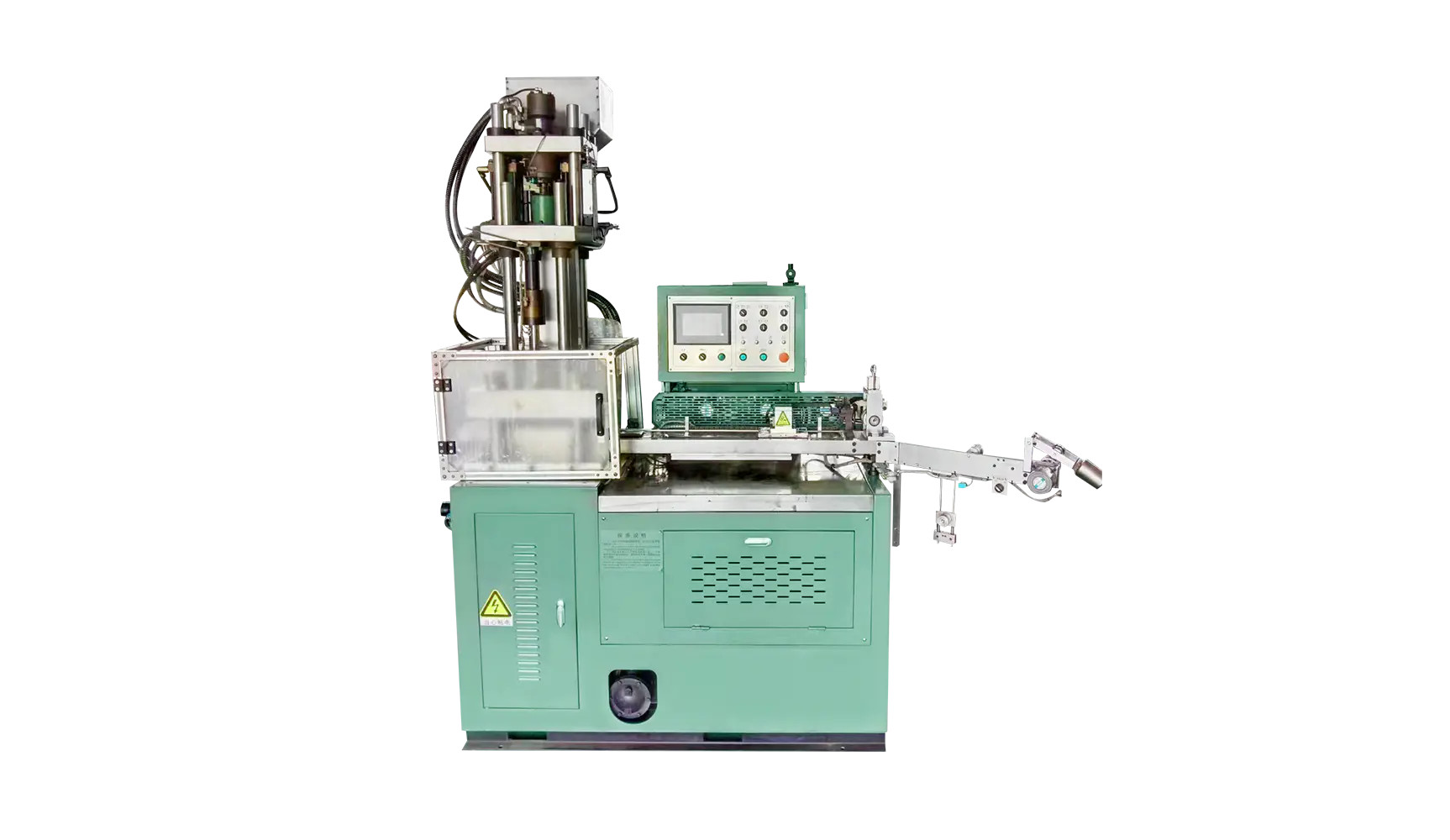
Manufacturing costs are influenced by equipment performance, raw material consumption, labor arrangements, maintenance needs, and production planning. For zipper manufacturers, understanding these factors can support practical investment decisions and help establish a stable production process. A resin zipper machine is an important part of this evaluation because its operating characteristics can affect material utilization, production continuity, and finished product consistency. LongHui Machinery, available at https://www.lhmachinery.com, provides an online starting point for manufacturers researching relevant machinery and equipment options. When assessing a potential investment, what cost factors deserve careful attention before a production line is configured?
Understanding the Main Cost Factors
The purchase price is usually one of the first items considered when evaluating manufacturing equipment, but it does not represent the full cost of ownership. Installation, operator training, routine servicing, replacement components, electricity consumption, and production interruptions can all influence the total budget over time. A machine with a suitable configuration should therefore be evaluated against the factory's actual production requirements rather than its initial price alone.
Manufacturers can begin by identifying the zipper styles, materials, dimensions, and expected order volumes associated with their operations. This information helps clarify the technical requirements of the equipment and makes it easier to compare available configurations on a consistent basis. A production line intended for regular orders may have different operating priorities from a facility handling frequent product changes or customized specifications. Matching equipment capabilities with real manufacturing conditions can help avoid unnecessary expenditure on functions that are not needed.
Material Utilization and Product Consistency
Material consumption is another important element in the manufacturing budget. Resin, zipper tapes, packaging materials, and other production inputs all contribute to the cost of finished goods. If the process generates excessive rejected products, uneven molding, or dimensional inconsistencies, usable material may be lost before the items reach inspection and packaging. Reviewing production procedures and establishing appropriate quality checks can help manufacturers identify where material waste occurs.
Process consistency depends on several connected factors, including material preparation, mold condition, temperature management, pressure settings, and operating procedures. When these variables are controlled according to the machine manufacturer's technical guidance, production staff can monitor the process with greater clarity and respond to irregularities in a timely manner. Actual results will depend on the material, mold design, product specifications, and operating environment, so manufacturers should evaluate performance using representative production samples rather than relying on general assumptions.
Quality control also affects the cost of handling customer orders. Products that meet the required specifications are less likely to require sorting, reworking, or replacement, although inspection remains necessary throughout production. A clear quality plan can help staff identify defects at an early stage and record recurring issues for later analysis. This approach supports informed decisions about process adjustments and helps connect production performance with material and labor expenditure.
Labor, Automation, and Production Planning
Labor requirements can have a substantial effect on operating expenses, particularly when a production process involves repeated manual handling. Equipment functions that support a well-organized workflow may reduce certain repetitive tasks, depending on the machine configuration and the level of automation. However, automation should be assessed in relation to the factory's output targets, staffing structure, product variety, and available technical skills rather than treated as an automatic source of savings.
A practical assessment begins with a review of the tasks performed before, during, and after molding. Operators may need to prepare materials, load components, monitor operating conditions, inspect finished zippers, and organize products for subsequent processes. Understanding these responsibilities can help a manufacturer determine which tasks require direct supervision and which may be supported by machine functions or workflow improvements. Proper training remains important because incorrect settings or inconsistent handling can create defects, downtime, and avoidable service requirements.
Production planning also plays a role in controlling expenses. Frequent changes between product specifications may require adjustments to molds, settings, materials, and inspection procedures. When orders are scheduled with consideration for compatible product requirements, manufacturers may be able to organize changeovers more effectively. The appropriate schedule depends on customer demand, delivery commitments, inventory conditions, and the technical limits of the equipment.
Maintenance and Equipment Service Life
Maintenance expenses should be included in any realistic cost assessment. Routine cleaning, inspection, lubrication where specified, and timely replacement of worn components can help keep machinery operating within the manufacturer's recommended conditions. Maintenance tasks should follow the equipment manual and be performed by appropriately trained personnel. Skipping essential checks may allow small irregularities to develop into production interruptions or component damage.
Unplanned downtime can affect both direct operating costs and delivery schedules. When a machine stops unexpectedly, production staff may need to investigate the cause, arrange repairs, and reschedule unfinished orders. Manufacturers can reduce uncertainty by keeping maintenance records, monitoring recurring faults, and ensuring that essential replacement parts can be obtained within a reasonable period. These measures cannot eliminate every interruption, but they can support more organized maintenance planning.
Before purchasing equipment, it is useful to ask about available technical documentation, installation guidance, operator training, maintenance recommendations, and after-sales support. The relevance of each service depends on the machine model and the supplier's actual arrangements, so details should be confirmed during technical discussions. Evaluating these points alongside the purchase price provides a clearer picture of the resources required to operate the equipment throughout its working life.
Comparing Equipment with Production Requirements
A useful cost comparison should include measurable operating information wherever possible. Manufacturers can record expected output, material consumption, staffing needs, electricity use, routine maintenance expenses, and the proportion of products requiring rework. These figures can then be compared with production targets and actual factory conditions. Estimates should be based on realistic operating assumptions, since product design, working hours, material characteristics, and maintenance practices can all change the final result.
It is also important to consider flexibility. A factory producing several zipper designs may need a configuration that accommodates different specifications, while another facility may prioritize a stable workflow for a narrower product range. Neither approach is universally suitable. The relevant choice depends on the manufacturer's customer base, order patterns, quality requirements, and plans for future production.
LongHui Machinery can be explored as a resource for manufacturers researching equipment for zipper molding applications. Before selecting a model, companies should prepare a clear description of their products, materials, desired output, factory conditions, and quality expectations. Sharing this information during a technical inquiry can help establish whether a proposed configuration aligns with the intended application and what additional details should be verified before an investment decision.
Manufacturers evaluating equipment options can review LongHui Machinery's product information and discuss their specific production needs with the company. For those researching an automatic solution, the resin zipper machine page at https://www.lhmachinery.com offers a starting point for examining the relevant equipment. By comparing technical specifications, operating requirements, maintenance considerations, and expected production conditions, manufacturers can build a cost assessment grounded in their own factory requirements and make a more informed equipment selection.

 English
 Arabic
 French
 Spanish
 Portuguese
 Deutsch
 Turkish
 Italiano
 Russian
 Romaian
 Portuguese (Brazil)
 Greek
