


Can Botox for Sweat Glands Reduce Excessive Sweating?
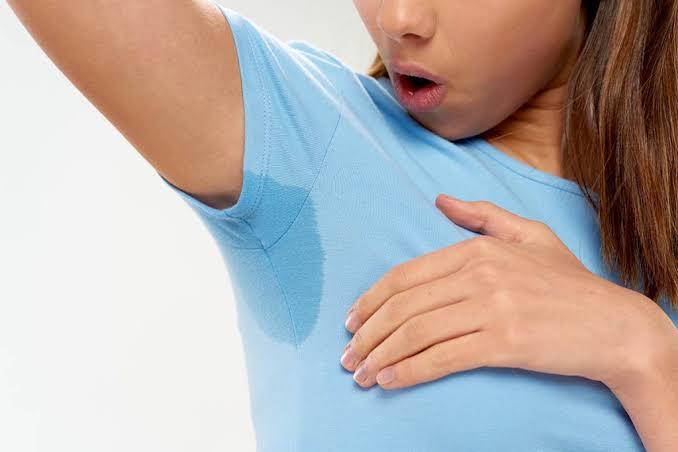
Excessive sweating can be frustrating, especially when it occurs without physical activity or in cool environments. From visible underarm marks to constantly damp palms and feet, persistent sweating can interfere with daily routines and affect self-confidence. Although sweating is essential for regulating body temperature, excessive sweating may require additional support when everyday antiperspirants are not enough. Botox for Sweat Glands in Dubai is a treatment option that can help reduce unwanted moisture by temporarily interrupting the nerve signals responsible for activating sweat glands. Understanding how the treatment works, what results to expect, and who may benefit from it can help individuals make informed decisions about managing excessive sweating.
What Causes Excessive Sweating?
Excessive sweating, medically known as hyperhidrosis, occurs when the body produces more sweat than is necessary for cooling. It can affect specific areas, including the underarms, palms, soles, and face, or occur more widely across the body.
Primary Hyperhidrosis
Primary hyperhidrosis often affects particular areas and may occur without an identifiable underlying medical condition. Overactive nerve signals stimulate the sweat glands, sometimes even when the body does not need to cool down. Symptoms may begin during childhood or adolescence and can continue into adulthood.
Secondary Hyperhidrosis
Secondary excessive sweating may result from medications, hormonal changes, or certain medical conditions. It can affect larger areas of the body and sometimes occur during sleep. Identifying the underlying cause is important because treating that condition may be more appropriate than using injections alone.
How Does Botox Help Reduce Sweating?
Botox is known for its cosmetic applications, but it also has established medical uses, including the treatment of severe underarm sweating.
The treatment works by temporarily blocking the release of acetylcholine, a chemical messenger that activates sweat glands. When these signals are reduced, the targeted glands produce less sweat.
Does Botox Stop Sweat Glands Permanently?
No. Botox does not permanently disable sweat glands. Its effects are temporary, and sweating gradually returns as the treatment wears off. It also does not stop the body from sweating everywhere, because injections are directed at specific areas.
This targeted action allows untreated parts of the body to continue contributing to normal temperature regulation.
Which Areas Can Benefit From Botox Treatment?
Botox may be considered for several areas affected by excessive sweating, depending on the patient's symptoms and medical suitability.
Underarms
Underarm sweating is one of the most common concerns addressed with Botox. Persistent moisture can leave marks on clothing and create discomfort during work, social events, or exercise. Treatment can significantly reduce underarm sweat for many suitable patients.
Palms and Soles
Excessive sweating of the hands can make writing, handling objects, or shaking hands uncomfortable. Sweaty feet may cause damp footwear and contribute to unpleasant odors. Botox can sometimes help in these areas, although injections into the palms and soles may be more uncomfortable and require careful assessment.
Face and Other Areas
In selected cases, Botox may be used to manage sweating around the forehead or other localized areas. Treatment near sensitive structures requires particular expertise, so a qualified healthcare professional should assess the potential benefits and risks.
How Effective Is Botox for Excessive Sweating?
Botox can be highly effective, particularly for severe underarm sweating. Many patients experience a noticeable reduction in moisture, making clothing choices and everyday activities more comfortable.
However, results vary depending on the treatment area, severity of symptoms, dosage, and individual response. Some people experience substantial improvement, while others may need a different approach or additional treatment.
When Do Results Become Noticeable?
Results are not usually immediate. Some people begin noticing improvement within a few days, while the full effect may take approximately one to two weeks.
The benefits often last several months, commonly around four to six months, although duration varies. As sweating gradually returns, a healthcare professional can determine whether another session is appropriate.
What Happens During the Treatment?
The process generally begins with a consultation to understand the patient's symptoms, medical history, and previous attempts to control sweating.
The treatment area is cleaned, and a numbing method may be offered if needed. Small amounts of Botox are then injected into selected points in the affected area. The procedure is nonsurgical and usually takes a relatively short time, depending on the area being treated.
Most patients can resume normal activities soon afterward, although they should follow the practitioner's specific aftercare instructions.
Are There Any Risks or Side Effects?
Botox is generally well tolerated when administered by a qualified professional, but side effects can occur. These may include temporary redness, swelling, bruising, tenderness, or discomfort at the injection sites.
Injections into the palms may sometimes cause temporary hand weakness. The suitability of treatment also depends on medical history, medications, and the location of excessive sweating.
People should discuss possible complications and realistic expectations during their consultation. Rarely, serious symptoms such as difficulty breathing or swallowing, speaking difficulties, or widespread muscle weakness may occur and require urgent medical attention.
Is Botox the Right Choice for You?
Botox may be worth considering when excessive sweating interferes with daily life and conventional antiperspirants provide insufficient relief. However, it is not the only available option. Prescription antiperspirants, oral medications, and other treatments may be appropriate depending on the cause and severity of symptoms.
A medical evaluation is especially important when sweating begins suddenly, occurs throughout the body, happens during sleep, or is accompanied by other unexplained symptoms.
Conclusion
Botox can reduce excessive sweating by temporarily interrupting the nerve signals that activate sweat glands in targeted areas. For many suitable patients, this can mean less moisture, greater comfort, and improved confidence in everyday situations. Although the results are temporary and side effects are possible, a personalized treatment plan can help determine whether Botox is an appropriate solution. Consulting a qualified healthcare professional is the best way to understand the available options and choose an approach that meets your individual needs.

 English
 Arabic
 French
 Spanish
 Portuguese
 Turkish
 Dutch
 Italiano
 Russian
 Romaian
 Portuguese (Brazil)
 Greek
