


Who Can Benefit From Liposuction Treatment in Riyadh?
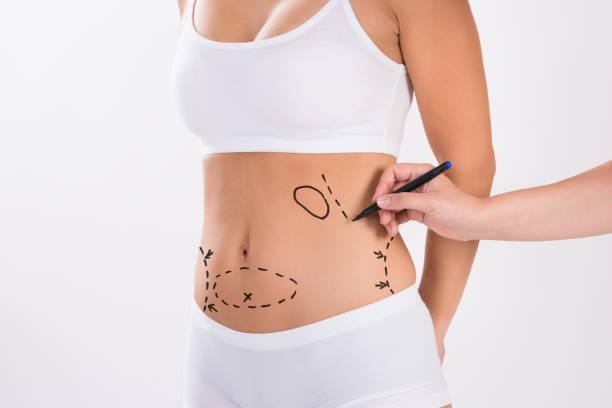
Liposuction is a body-contouring procedure designed to remove localized fat deposits that may remain despite a healthy diet and regular exercise. For individuals exploring liposuction in Riyadh (عملية شفط الدهون في الرياض), understanding who may benefit from treatment, how the procedure works, and what results to expect is essential before making a decision. Liposuction is available in different forms, and the appropriate approach depends on a person's health, body composition, treatment goals, and medical assessment.
Interest in liposuction Surgery in Saudi Arabia has grown alongside the demand for cosmetic procedures that help refine body contours. However, liposuction is not a weight-loss solution, and it cannot replace healthy lifestyle habits. Learning about candidacy, treatment areas, recovery, potential risks, and realistic outcomes can help individuals determine whether this procedure aligns with their needs.
Understanding Liposuction and Its Purpose
Liposuction is a surgical procedure that removes excess fat from specific areas of the body using a suction technique. It is generally intended for body contouring rather than overall weight reduction. During the procedure, a qualified surgeon inserts a thin tube called a cannula through small incisions to loosen and remove targeted fat.
People considering liposuction in Riyadh may seek treatment for areas such as the abdomen, waist, hips, thighs, upper arms, back, chin, or neck. The objective is to improve the proportions and contours of the treated area rather than achieve a particular number on the weighing scale.
The results depend on several factors, including the amount and distribution of fat, skin elasticity, anatomy, and individual healing. A medical consultation helps establish whether liposuction is appropriate and whether another treatment may better address the person's concerns.
Who Can Benefit From Liposuction Treatment in Riyadh?
Individuals With Localized Fat Deposits
People who have stubborn fat deposits that persist despite consistent exercise and balanced nutrition may be candidates for liposuction. These deposits can occur around the abdomen, flanks, thighs, hips, or upper arms.
Liposuction can reduce fat in selected areas and create a more defined appearance. However, the procedure does not guarantee perfectly symmetrical contours, and the amount of improvement varies between individuals.
Adults Near Their Healthy, Stable Weight
Liposuction is generally more suitable for individuals who are near a healthy weight and have maintained a relatively stable weight. It is not intended to treat obesity or replace a structured weight-management plan.
People who are still experiencing significant weight fluctuations may be advised to establish a stable weight before considering surgery. This can help support more predictable contouring outcomes.
People With Good Skin Elasticity
Skin elasticity plays an important role in the appearance of the treated area after fat removal. Skin that can contract adequately is more likely to adapt to the body's new contours.
Individuals with significant loose skin may not achieve their desired appearance through liposuction alone. Depending on the assessment, a surgeon may discuss alternative or complementary procedures that address excess skin.
Individuals Seeking Improved Body Proportions
Some people are interested in refining particular areas rather than changing their overall body size. For example, they may want a more defined waistline, smoother thigh contours, or reduced fullness beneath the chin.
For suitable candidates, liposuction in Riyadh may help improve the relationship between different body areas. A realistic treatment plan should focus on natural-looking improvement and the person's individual anatomy.
People With Realistic Expectations
Suitable candidates generally understand that liposuction can improve body contours but cannot create perfection or guarantee a specific appearance. The procedure also does not treat every cause of fullness, including all forms of abdominal protrusion or skin laxity.
People who understand the benefits, limitations, recovery requirements, and potential complications are better prepared to make an informed decision.
Which Areas Can Liposuction Treat?
Abdomen and Waist
The abdomen and waist are common treatment areas for people seeking a more defined midsection. Liposuction may reduce localized fat around the stomach and flanks, helping improve the overall outline of the torso.
However, abdominal fullness can also result from loose skin, abdominal muscle separation, or internal fat surrounding the organs. Liposuction primarily addresses fat beneath the skin and does not correct these other conditions.
Thighs and Hips
Fat deposits around the inner and outer thighs or hips can affect the body's overall proportions. Liposuction may help refine these areas when the individual has suitable skin elasticity and localized fat.
The surgeon must consider natural anatomy and the risk of contour irregularities when planning treatment. Removing too much fat can lead to unevenness or an unnatural appearance.
Upper Arms
Some individuals experience persistent fullness around the upper arms despite maintaining healthy habits. Liposuction may reduce localized fat in this area and improve its contour.
When excess skin is the main concern, fat removal alone may not produce the desired result. A professional assessment helps determine the most appropriate option.
Chin and Neck
Liposuction may be used to reduce selected fat deposits beneath the chin or around the upper neck. For suitable candidates, this can help create a more defined jawline.
Results depend on skin quality, anatomy, and the amount of fat present. Loose skin or other structural factors may limit the improvement achievable through fat removal alone.
Types of Liposuction Techniques
Traditional Liposuction
Traditional liposuction uses a cannula connected to a suction device to remove fat from targeted areas. It remains an established surgical approach for body contouring.
The technique and amount of fat removed depend on the treatment area, the patient's anatomy, and the surgeon's clinical judgment.
Tumescent Liposuction
Tumescent liposuction involves injecting a fluid containing local anaesthetic and other medications into the treatment area before fat removal. This fluid can help reduce bleeding and discomfort during the procedure.
The suitability of this technique depends on the patient's health, the planned procedure, and the medical team's assessment.
Laser-Assisted Liposuction
Laser-assisted liposuction uses laser energy to help disrupt fat before it is removed. It is sometimes discussed as an option for treating selected areas of localized fat.
Despite its name, laser-assisted treatment is not suitable for everyone, and it does not guarantee skin tightening. Patients should understand the evidence, limitations, and risks associated with the specific device and technique being considered.
Vaser Liposuction
Vaser liposuction uses ultrasound energy to help separate fat before suction removal. It may be considered for selected body-contouring procedures, depending on the treatment goals and clinical assessment.
No technique is universally best. When researching liposuction Surgery in Saudi Arabia, patients should focus on the surgeon's qualifications, safety standards, and the suitability of the proposed method rather than relying solely on a technique's name.
What to Expect Before, During, and After Liposuction
Before the Procedure
The process begins with a consultation, during which the surgeon reviews medical history, medications, previous procedures, and the patient's goals. The assessment may include examining skin quality, fat distribution, and general health.
Patients should disclose smoking or nicotine use, allergies, bleeding problems, and all medications or supplements. They should also discuss anaesthesia, preparation instructions, possible complications, and alternative treatments before agreeing to surgery.
During the Procedure
Liposuction is performed using an appropriate anaesthesia plan in a suitable medical facility. Small incisions are made, and the surgeon uses a cannula to remove fat from the selected areas.
The procedure's duration depends on the number and size of the treatment areas and the complexity of the surgery. The surgical team monitors the patient's condition and follows appropriate safety protocols throughout treatment.
Recovery and Healing
Swelling, bruising, soreness, and temporary changes in sensation are common after liposuction. Patients may be advised to wear a compression garment and follow specific instructions for movement, wound care, and follow-up appointments.
Recovery varies according to the extent of surgery and individual healing. Many people resume some everyday activities within days, but strenuous exercise and other demanding activities may require a longer recovery period.
Final contours can take several months to become apparent as swelling subsides. Following medical instructions and maintaining a stable weight can help support lasting results.
Risks and Important Considerations
Like other surgical procedures, liposuction carries risks. These may include infection, bleeding, fluid accumulation, changes in sensation, contour irregularities, asymmetry, and complications related to anaesthesia. Rare but serious complications can also occur.
Patients should choose a suitably qualified surgeon and an appropriately equipped medical facility. They should ask about the surgeon's experience, the planned technique, emergency arrangements, and postoperative support.
Liposuction removes fat cells from the treated areas, but remaining fat cells can enlarge with weight gain. The procedure does not prevent future weight changes or eliminate the need for healthy lifestyle habits.
How to Determine Whether Liposuction Is Right for You
The best way to establish suitability is through an individual medical assessment. A surgeon can evaluate the treatment area, discuss the expected improvement, and determine whether liposuction is appropriate based on the patient's health and goals.
Before proceeding, patients should ask how much improvement is realistic, whether loose skin could affect the result, what recovery will involve, and which alternatives are available. They should also ensure they understand the consent process and all potential risks.
When exploring liposuction in Riyadh, it is important to make decisions based on medical advice, verified qualifications, and personal health considerations rather than advertising claims or promises of guaranteed results.
Conclusion
Liposuction may benefit adults who are near a stable, healthy weight, have localized fat deposits, possess suitable skin elasticity, and want to refine specific body contours. It is not a substitute for weight loss, and its results depend on individual anatomy, surgical technique, and recovery. Understanding the procedure, its limitations, and its risks is essential before making a decision about liposuction Surgery in Saudi Arabia.
Individuals researching their options can explore the information and services presented by Enfield Royal Clinic Saudi as part of their initial research. Before choosing any provider or proceeding with treatment, patients should independently verify the surgeon's credentials, the facility's safety standards, and the suitability of the proposed procedure through a qualified medical consultation.
Frequently Asked Questions
Who is an ideal candidate for liposuction in Riyadh?
An ideal candidate is generally an adult near a stable, healthy weight who has localized fat deposits that have not responded adequately to diet and exercise. Good general health, suitable skin elasticity, and realistic expectations are also important. A qualified surgeon must determine individual suitability.
Is liposuction a weight-loss procedure?
No. Liposuction is designed to remove localized fat and improve body contours rather than produce substantial weight loss. People seeking treatment for obesity or significant weight-related health concerns should discuss appropriate medical and lifestyle interventions with a healthcare professional.
Which body areas can liposuction treat?
Common treatment areas include the abdomen, waist, hips, thighs, upper arms, back, chin, and neck. The appropriate areas depend on fat distribution, skin quality, overall health, and the surgeon's assessment.
How long does recovery from liposuction take?
Recovery varies according to the treatment area, the extent of surgery, and individual healing. Some patients return to light daily activities within days, while strenuous exercise may need to wait longer. Swelling can persist for weeks or months, and final contours may take several months to develop.
Are the results of liposuction permanent?
Fat cells removed during liposuction do not grow back in the same way, but the remaining fat cells can enlarge if a person gains weight. Maintaining a stable weight and healthy lifestyle can help preserve the improved contours. Natural ageing and other changes can still affect appearance.
What should I consider before choosing liposuction Surgery in Saudi Arabia?
Consider the surgeon's qualifications, experience, medical facility, proposed technique, anaesthesia arrangements, recovery requirements, and potential complications. Ask about realistic outcomes and alternatives, and verify credentials independently before making a decision. A thorough consultation should address your medical history and individual treatment goals.

 English
 Arabic
 French
 Spanish
 Portuguese
 Deutsch
 Turkish
 Dutch
 Italiano
 Russian
 Romaian
 Portuguese (Brazil)
