


Buccal Fat Removal in Riyadh: What to Know Before Treatment
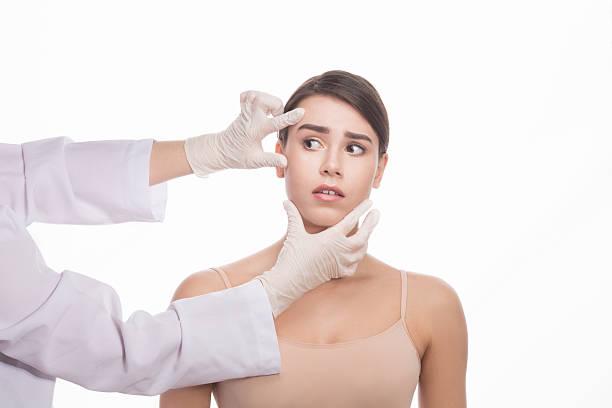
Buccal fat removal is a cosmetic procedure designed to create a more defined facial appearance by reducing the fat pads located in the lower cheeks. Many people consider this treatment when they want a slimmer facial contour and more noticeable cheekbones. Before deciding on the procedure, it is important to understand how it works, who may benefit from it, and what to expect during recovery. Learning about Buccal Fat Removal in Riyadh can help you make an informed decision based on your facial structure, aesthetic goals, and overall health.
When researching this treatment, people often look for information about buccal fat removal cost alongside safety, recovery, and expected results. However, the suitability of the procedure should remain a priority. Every face has unique proportions, and removing too much cheek fat can create an overly hollow appearance as natural facial volume decreases with age. A professional consultation can help determine whether this procedure is appropriate for your features and whether alternative treatments may better suit your goals.
What Is Buccal Fat Removal?
Buccal fat removal is a cosmetic surgical procedure that reduces the buccal fat pads inside the cheeks. These naturally occurring fat deposits contribute to the fullness of the lower face. For some individuals, prominent cheek fullness remains noticeable even when they maintain a healthy weight.
During the procedure, a qualified surgeon typically makes a small incision inside the mouth to access and carefully remove a portion of the buccal fat pad. Because the incision is inside the cheek, there is generally no visible external scar. The amount of fat removed depends on the individual's facial anatomy and the surgeon's assessment.
Who Is a Suitable Candidate for Buccal Fat Removal?
Facial Structure and Aesthetic Goals
People who have naturally full cheeks and want a more defined lower facial contour may consider this procedure. However, having round cheeks does not automatically mean that buccal fat removal is the best option. Genetics, bone structure, overall body composition, and skin elasticity all influence facial appearance.
Health and Medical Considerations
Suitable candidates should generally be in good health, understand the limitations of cosmetic surgery, and have realistic expectations. Individuals with naturally narrow faces, existing facial volume loss, or a tendency toward facial hollowness may not be ideal candidates. A qualified surgeon should review medical history, medications, and potential risks before recommending treatment.
What Happens During the Treatment?
Buccal fat removal is commonly performed under local anesthesia, although the anesthesia approach may vary according to the individual and clinical circumstances. The surgeon accesses the fat pad through the inside of the cheek, removes an appropriate amount of fat, and closes the incision with sutures.
The procedure is usually relatively short, but the exact duration depends on the surgical plan and individual anatomy. Patients should receive clear instructions about preparation, oral hygiene, medication use, and aftercare before treatment. Following these instructions helps support healing and reduce the risk of complications.
Recovery After Buccal Fat Removal
The First Few Days
Swelling, mild discomfort, bruising, and temporary difficulty eating certain foods may occur after surgery. Patients are usually advised to follow a soft-food diet initially, maintain careful oral hygiene, and avoid activities that could interfere with healing. The surgeon may also recommend specific rinses or other aftercare measures.
When Will Results Become Visible?
Initial swelling can make the cheeks appear fuller or uneven during early recovery. As the tissues heal, facial contours gradually become more apparent. The timeline varies from person to person, and final results may take several weeks or longer to assess accurately.
Patience is important because judging the outcome too early can create unnecessary concern. Follow-up appointments allow the surgeon to monitor healing and address any unexpected symptoms.
Potential Risks and Important Considerations
Like any surgical procedure, buccal fat removal carries potential risks, including infection, bleeding, asymmetry, prolonged swelling, and injury to nearby structures such as the salivary duct or facial nerves. Excessive fat removal may also lead to a hollow or aged appearance over time.
The procedure does not replace weight management or address every cause of facial fullness. Understanding these limitations is essential before making a decision. Choosing a qualified, appropriately licensed surgeon and discussing both short-term and long-term outcomes can help you approach treatment more confidently.
Frequently Asked Questions
Is buccal fat removal a permanent procedure?
Yes, the fat cells removed during surgery do not grow back. However, aging, weight changes, and natural facial changes can affect the appearance of the cheeks over time.
Does buccal fat removal leave visible scars?
The incision is generally made inside the mouth, so visible external scars are not usually expected. Proper healing and oral hygiene remain important.
How long does recovery take after buccal fat removal?
Initial swelling often improves over the first few weeks, although complete healing and the appearance of the final results can take longer. Recovery varies between individuals.
Can buccal fat removal make my face look too thin?
Yes. Removing excessive cheek fat can create an overly hollow appearance, particularly as facial volume naturally decreases with age. Careful patient selection and conservative surgical planning are important.
What should I discuss during my consultation?
Ask about your suitability, the surgeon's qualifications, possible complications, expected recovery, long-term facial changes, and alternative treatments that may help achieve your goals.
Book Your Consultation at Enfield Royal Clinic
If you are considering Buccal Fat Removal in Riyadh, arranging a professional consultation is an important first step. Enfield Royal Clinic can be your starting point for discussing your facial contouring goals, understanding the treatment process, and exploring appropriate options. Seek an individualized assessment from a qualified professional to make a well-informed decision that prioritizes your safety, facial balance, and long-term results.

 English
 Arabic
 French
 Spanish
 Portuguese
 Deutsch
 Turkish
 Dutch
 Russian
 Romaian
 Portuguese (Brazil)
 Greek
