


Rhinoplasty for Breathing Difficulties: A Patient’s Guide
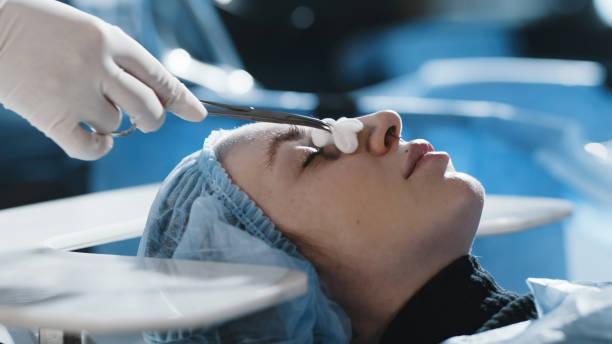
Breathing comfortably through the nose is important for everyday activities, sleep, and overall well-being. However, structural problems inside the nose can restrict airflow and cause persistent congestion or difficulty breathing. Some patients may benefit from functional nasal surgery, while others may need treatment for allergies or inflammation instead. For individuals researching nose surgery in saudi arabia price, understanding how nasal surgery relates to breathing difficulties can help clarify available options and the importance of a proper medical assessment. The most appropriate treatment depends on the underlying cause of the symptoms, nasal anatomy, and individual health needs.
Understanding the Connection Between Nasal Structure and Breathing
The nose contains several structures that help direct and regulate airflow. The nasal septum separates the two nasal passages, while the nasal valves and surrounding tissues help maintain an adequate airway. When these structures are narrowed, displaced, or weakened, breathing may become more difficult.
Common Causes of Nasal Obstruction
Several conditions can contribute to restricted nasal airflow, including:
-
Deviated septum: The wall separating the nasal passages is displaced toward one side.
-
Nasal valve narrowing: The narrowest areas of the nasal airway may be restricted or lack sufficient structural support.
-
Enlarged nasal turbinates: These structures inside the nose may become enlarged and reduce available airflow.
-
Allergies or inflammation: Swelling of the nasal lining can contribute to congestion.
-
Previous nasal injury: Trauma may change the shape or internal structure of the nose.
Because these conditions can produce similar symptoms, identifying the underlying cause is essential before deciding whether surgery is appropriate.
Can Rhinoplasty Improve Breathing Difficulties?
Rhinoplasty is commonly associated with changing the appearance of the nose, but selected surgical techniques can also address structural problems affecting airflow. When surgery is intended to improve nasal function, the treatment plan must prioritize both adequate breathing and structural stability.
Functional Rhinoplasty
Functional rhinoplasty focuses on correcting structural problems that interfere with nasal airflow. Depending on the findings, a surgeon may address weaknesses or narrowing in the nasal framework to improve support for the airway.
The exact approach varies from patient to patient. Functional rhinoplasty is not appropriate for every type of congestion, particularly when symptoms are mainly caused by allergies or other conditions affecting the nasal lining.
Combining Cosmetic and Functional Procedures
Some patients have both breathing difficulties and concerns about their nose's appearance. In selected cases, functional correction may be combined with cosmetic rhinoplasty during the same operation.
For example, a patient may require correction of an internal structural problem while also seeking changes to the nasal bridge or tip. Combining procedures requires careful planning to avoid compromising nasal support or airflow.
Understanding the Role of Septoplasty
Septoplasty is a surgical procedure used to correct a deviated nasal septum when it contributes to breathing difficulties. It differs from cosmetic rhinoplasty because its primary purpose is to improve the internal structure of the nose rather than change its external appearance.
When Septoplasty May Be Recommended
A healthcare professional may consider septoplasty when a septal deviation causes persistent nasal obstruction and symptoms have not improved sufficiently with appropriate nonsurgical treatment. The decision depends on the severity of the deviation, the patient's symptoms, and other possible causes of obstruction.
Septoplasty Versus Rhinoplasty
Septoplasty focuses on the septum, while rhinoplasty reshapes the external nose and may also address selected structural problems. Some patients need only septoplasty, others may benefit from functional rhinoplasty, and some require a combined procedure known as septorhinoplasty.
A clinical examination helps determine which option best matches the patient's needs.
How Surgeons Evaluate Breathing Problems
A detailed assessment helps identify the source of restricted airflow and determine whether surgery is likely to provide meaningful benefit.
Medical History and Symptom Review
The clinician may ask when symptoms began, whether one or both nostrils are affected, and whether congestion changes with seasons, exercise, or sleep. Information about allergies, previous injuries, nasal surgery, medications, and other medical conditions can also be relevant.
Nasal Examination
The surgeon may examine the external nose and internal nasal passages. Nasal endoscopy or other investigations may be recommended when needed to evaluate the septum, nasal valves, turbinates, or other structures.
This assessment helps distinguish structural obstruction from problems that may respond better to medication or other nonsurgical care.
Nonsurgical Treatments and Alternatives
Not every patient with breathing difficulties needs surgery. When symptoms are related to allergies or inflammation, treatment may include saline rinses or clinician-recommended medication. These treatments can help reduce inflammation but cannot straighten a deviated septum or correct a significant structural narrowing.
Patients should seek professional advice before using nasal medications regularly, particularly decongestant sprays, which can worsen congestion when overused. If symptoms persist despite appropriate treatment, further evaluation may help determine whether a structural problem is contributing to the obstruction.
Preparing for Nasal Surgery
If surgery is recommended, patients should discuss their medical history, current medicines, allergies, previous procedures, and any smoking or nicotine use with their healthcare team. The surgeon may request a medical assessment or tests depending on individual circumstances.
Follow preoperative instructions carefully, including guidance about medications, fasting, and anesthesia. Do not stop prescribed medication without medical advice. Patients should also arrange transportation home and assistance during the initial recovery period if necessary.
Recovery After Functional Rhinoplasty
Recovery varies according to the procedure performed and the patient's healing response. Temporary swelling, bruising, congestion, and discomfort are common. A splint or other support may be used during the early healing period.
Many patients return to light activities within one to two weeks, although individual timelines differ. Strenuous exercise and activities that could injure the nose should be avoided until the surgeon confirms they are safe. Swelling can take months to settle, and cosmetic changes may continue to develop for a year or longer.
Patients should follow postoperative instructions and attend all follow-up appointments. Heavy bleeding, fever, severe or increasing pain, or new breathing difficulties require prompt medical attention.
Risks and Expected Outcomes
Functional nasal surgery may improve airflow when a correctable structural problem is responsible for the symptoms, but improvement cannot be guaranteed. Potential risks include bleeding, infection, persistent obstruction, changes in sensation, septal perforation, asymmetry, and the possible need for additional surgery.
Patients considering Rhinoplasty in Riyadh should discuss the expected benefits, limitations, and risks with a qualified surgeon. It is also important to understand that surgery may not resolve symptoms caused by allergies or other nonstructural conditions.
Book an Appointment at Royal Clinic Saudia
Breathing difficulties can have several causes, and choosing the right treatment begins with identifying the underlying problem. If you are considering Rhinoplasty in Riyadh, contact Royal Clinic Saudia to discuss your nasal concerns and explore suitable options. A professional consultation can help determine whether functional rhinoplasty, septoplasty, another treatment, or a combination of approaches may be appropriate for your individual needs.

 English
 Arabic
 French
 Spanish
 Portuguese
 Deutsch
 Turkish
 Dutch
 Italiano
 Russian
 Portuguese (Brazil)
 Greek
