


Cable Gland Adaptor Ideas for Modern Cable Management
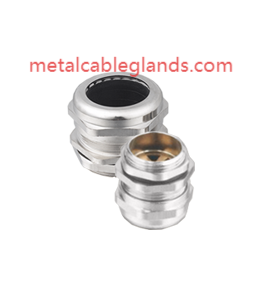
Organizing cable entries across different types of electrical equipment requires attention to compatibility, accessibility, and installation conditions. When a project involves components with different connection formats, a Cable Gland Adaptor can help bridge compatible interfaces and simplify equipment layout planning. Choosing the right Cable Gland Adaptor also gives installers a way to address specific mounting requirements while keeping component selection aligned with the enclosure design, cable routing plan, and operating environment.
Designing a More Organized Cable Entry Layout
Cable entry arrangements influence how electrical equipment is assembled, accessed, and maintained. In control panels, machinery housings, and distribution cabinets, available space may be limited, especially when several cables enter through a compact area. Selecting compatible connection accessories during the design stage can help avoid crowded installations and unnecessary adjustments later.
Before choosing an adaptor, engineers should review the enclosure opening, the connected gland, and the available clearance around the mounting point. The connection should fit the intended arrangement without placing unnecessary strain on adjacent parts. Cable direction and bend radius also deserve attention because a poorly planned layout may complicate installation and future servicing.
A simple layout drawing can help purchasing and engineering teams communicate requirements. It allows them to identify connection points, compare dimensions, and confirm which accessories are needed before ordering.
Comparing Thread Standards and Dimensions
Thread compatibility is one of the most important factors when selecting cable connection accessories. Two components may have similar diameters but still use different thread pitches or profiles. A visual comparison alone cannot reliably confirm whether they will connect correctly.
Buyers should identify the thread standard and dimensions on both sides of the proposed connection. Depending on the equipment, specifications may involve metric, PG, NPT, or other thread formats. Product drawings and technical documentation can help clarify these differences and reduce the risk of ordering an unsuitable part.
Overall length and available mounting depth may also affect the final choice. If an adaptor extends too far into an enclosure, it could interfere with internal components or reduce the space available for cable routing. Reviewing these measurements before purchasing helps make the selection process more accurate.
MetalCableGlands and Practical Sourcing Support
Finding suitable accessories often depends on how clearly a project is described. MetalCableGlands provides a starting point for exploring cable connection products and identifying options for different equipment arrangements.
When contacting a supplier, buyers can explain the existing thread, the required connection format, the material preference, and the environment where the component will be installed. Including a drawing or a concise specification sheet can make it easier to distinguish between similar product variations.
For projects involving several cable entry points, a component schedule can help keep purchasing decisions consistent. The schedule may record product dimensions, thread standards, materials, and intended applications. This information is useful when ordering replacement parts or coordinating accessories across multiple equipment models.
Before confirming an order, buyers should verify product specifications and any relevant compatibility requirements rather than relying on assumptions based on product names alone.
Considering Durability and Operating Conditions
The surrounding environment can influence the material and design of an adaptor. Indoor equipment, outdoor enclosures, and machinery operating in industrial settings may face different levels of moisture, dust, vibration, or corrosive exposure. Evaluating these conditions helps buyers narrow their choices.
Material options vary by product range, so the selected component should be assessed against the expected mechanical demands and environmental conditions. Buyers should also consider whether the adaptor will be exposed to repeated handling or whether it needs to remain accessible during maintenance.
Where an installation requires a particular ingress protection level, grounding arrangement, or electrical continuity, the complete assembly must be evaluated against the relevant requirements. An adaptor should not automatically be assumed to provide sealing or electrical functions independently of the connected components.
Making Maintenance and Replacement Easier
A well-documented cable entry system can make future maintenance more manageable. Keeping records of approved thread combinations, product drawings, and material selections helps technicians identify compatible replacement components without restarting the selection process.
During installation, technicians should inspect threads and mating surfaces for damage and follow the manufacturer's instructions. Forcing incompatible connections together may damage components, while incorrect assembly can affect the integrity of the installation. Periodic checks can help identify corrosion, loosening, or visible wear that needs attention.
Procurement teams can support this process by maintaining clear product descriptions and reviewing delivered items against purchase specifications. This approach helps reduce avoidable errors and supports more consistent equipment management. To explore cable connection accessories and compare options for your application, visit https://www.metalcableglands.com/ and prepare the connection dimensions and installation requirements for your project.

 English
 Arabic
 French
 Spanish
 Portuguese
 Deutsch
 Turkish
 Dutch
 Italiano
 Russian
 Portuguese (Brazil)
 Greek
