


Lipedema in Riyadh: Symptoms, Diagnosis, and Treatment Options
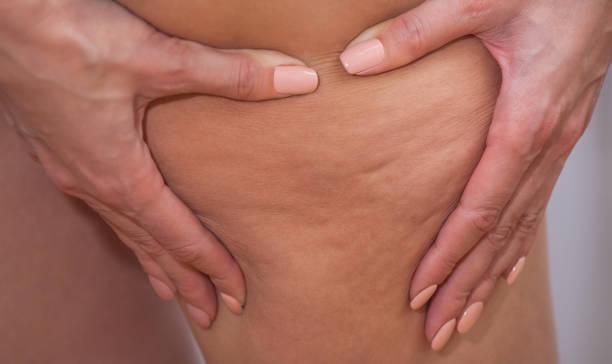
Lipedema is a chronic condition that primarily affects the distribution of fat in the legs and sometimes the arms. It is often misunderstood as ordinary weight gain, which can delay proper diagnosis and treatment. People experiencing persistent swelling, tenderness, or disproportionate fat accumulation may benefit from learning about the symptoms and available treatment options. Understanding Lipedema in Riyadh can help individuals recognize potential warning signs and seek appropriate medical evaluation for better long-term management.
People searching for lipedema jeddah and other locations across Saudi Arabia may have similar concerns about identifying this condition and finding suitable care. Although lipedema is more common in women, its exact cause is not fully understood. Hormonal changes, genetic factors, and family history may play a role. Recognizing the difference between lipedema, obesity, and other conditions that cause swelling is an important step toward receiving individualized care.
What Is Lipedema?
Lipedema is a long-term disorder characterized by an abnormal buildup of fat, usually around the hips, thighs, legs, and sometimes the upper arms. The hands and feet are typically spared, creating a noticeable difference in body proportions. Unlike ordinary fat accumulation, lipedema tissue may be painful or sensitive to touch and can bruise easily.
The condition may develop or become more noticeable during puberty, pregnancy, or menopause. Its progression varies from person to person, and symptoms may become more challenging over time. Early medical assessment can help distinguish lipedema from other causes of swelling and establish an appropriate management plan.
Common Symptoms of Lipedema
Disproportionate Fat Distribution
One of the most recognizable signs is symmetrical fat accumulation in the lower body. Both legs may appear larger than the upper body, even when a person maintains a balanced diet and regular physical activity. In some cases, the arms are also affected.
Pain and Tenderness
Lipedema tissue may feel painful, heavy, or tender, particularly after prolonged standing or physical activity. Some individuals experience discomfort even when light pressure is applied to the affected areas.
Easy Bruising and Swelling
Frequent unexplained bruising is another possible symptom. Swelling and a sensation of heaviness may become more noticeable throughout the day. Although lipedema can coexist with other conditions, significant swelling should be medically evaluated to identify its cause.
Difficulty Losing Fat in Affected Areas
Some people find that their upper body responds to weight management efforts while the affected areas remain disproportionately large. This can be frustrating and may affect confidence, mobility, and overall quality of life.
How Is Lipedema Diagnosed in Riyadh?
Lipedema is generally diagnosed through a clinical assessment rather than a single definitive test. A healthcare professional reviews the patient's medical history, symptoms, family history, and the pattern of fat distribution.
During the examination, the clinician may assess tenderness, bruising, swelling, and whether the hands and feet are affected. Additional investigations, such as ultrasound or other imaging tests, may be recommended when necessary to investigate alternative or coexisting conditions, including venous disease or lymphedema.
Early evaluation is valuable because lipedema can resemble obesity, chronic swelling, and other medical disorders. An accurate diagnosis helps guide treatment decisions and prevents individuals from relying on unsuitable approaches.
Treatment Options for Lipedema
Conservative Management
Conservative treatment focuses on reducing discomfort, supporting mobility, and improving daily functioning. Compression garments may help manage swelling in selected patients, while low-impact activities such as swimming, walking, and cycling can support circulation and joint health.
A balanced diet and appropriate physical activity are beneficial for general health, even though they do not specifically eliminate lipedema fat. Physiotherapy, skin care, and individualized symptom-management strategies may also form part of a comprehensive plan.
Lipedema Reduction Surgery
In selected cases, lipedema reduction surgery using specialized liposuction techniques may be considered. The procedure aims to remove affected fatty tissue while protecting surrounding structures. Suitability depends on the individual's symptoms, disease severity, medical history, and overall health.
Surgery is not a guaranteed cure, and recovery may require compression garments, follow-up appointments, and rehabilitation. A qualified specialist should explain the potential benefits, limitations, complications, and realistic expectations before treatment.
Ongoing Care and Lifestyle Support
Lipedema often requires long-term management. Regular medical follow-ups can help monitor changes in symptoms and identify complications. A personalized care plan may combine conservative therapies, physical activity, and surgical assessment when appropriate.
Frequently Asked Questions
What are the early signs of lipedema?
Early signs may include symmetrical enlargement of the legs, tenderness, easy bruising, and a feeling of heaviness. A healthcare professional can evaluate these symptoms and determine whether further investigation is needed.
Can lipedema be cured completely?
There is currently no guaranteed permanent cure for lipedema. However, conservative treatments and, in selected cases, surgery may help manage symptoms and improve mobility and quality of life.
How is lipedema different from ordinary weight gain?
Lipedema typically causes disproportionate, symmetrical fat accumulation in the legs and sometimes the arms. Pain, tenderness, and easy bruising may also occur, although these features vary between individuals.
Does exercise help manage lipedema?
Low-impact exercise can improve fitness, mobility, and overall well-being. While exercise may not remove lipedema tissue, it can support symptom management and general health.
When should I seek medical advice for suspected lipedema?
Consider a medical assessment if you experience persistent leg enlargement, unexplained bruising, tenderness, or swelling. Sudden swelling, particularly in one leg or when accompanied by chest pain or breathlessness, requires urgent medical attention.
Book a Consultation at Enfield Royal Clinic
If you are concerned about disproportionate fat distribution, persistent tenderness, or possible lipedema, arranging a professional assessment is a useful first step. Enfield Royal Clinic can be a starting point for exploring available consultation services and discussing your concerns with the appropriate healthcare professional. Contact the clinic to learn about its assessment options and determine the next steps for your individual needs.

 English
 Arabic
 French
 Spanish
 Portuguese
 Deutsch
 Turkish
 Dutch
 Russian
 Romaian
 Portuguese (Brazil)
 Greek
