


PRP Hair Restoration in Riyadh: Understanding the Science of Regrowth
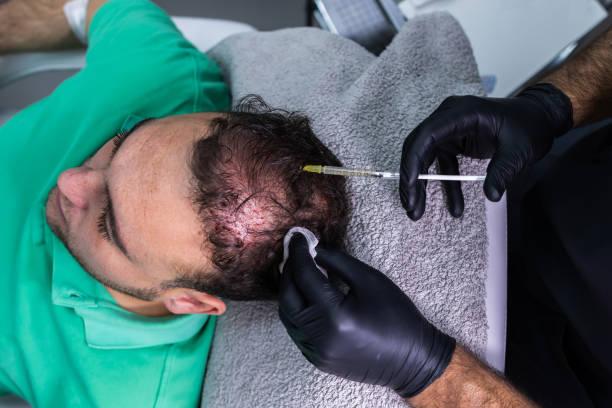
Hair thinning and hair loss can affect confidence, appearance, and overall well-being. Many people explore modern hair restoration options to improve hair density and support healthier hair growth without undergoing surgery. Platelet-rich plasma (PRP) therapy has gained attention as a treatment that uses components of a person's own blood to support scalp and hair follicle health.
PRP Hair Treatment in Riyadh is an increasingly researched option for people looking to understand non-surgical approaches to hair restoration. By using concentrated platelets, this procedure aims to create a more supportive environment for hair follicles. However, results depend on several factors, including the cause of hair loss, the condition of the scalp, and individual response to treatment.
Understanding how PRP works, who may benefit, and what to expect can help individuals make informed decisions about hair restoration.
What Is PRP Hair Treatment?
Platelet-rich plasma therapy is a procedure that involves collecting a small blood sample and processing it to concentrate platelets within the plasma. Platelets contain growth factors and other biological substances involved in the body's natural healing processes.
During PRP hair treatment, the concentrated plasma is injected into selected areas of the scalp. The goal is to support the local environment around hair follicles and potentially encourage improved hair growth in suitable candidates.
PRP is not a hair transplant and does not create new hair follicles. Instead, it may help existing, weakened follicles function more effectively in certain types of hair loss.
How Platelet-Rich Plasma Supports Hair Growth
Hair follicles pass through different stages of growth, transition, and rest. When these stages are disrupted, hair may become thinner or shed more noticeably. Researchers are studying how growth factors in PRP may influence the follicular environment and support the hair growth cycle.
Potential effects include supporting cellular activity around hair follicles, promoting tissue repair, and helping maintain existing hair density. Nevertheless, scientific evidence remains variable, and PRP does not guarantee noticeable regrowth for everyone.
How PRP Hair Treatment in Riyadh Works
The procedure typically involves several steps designed to prepare the plasma and deliver it to the targeted scalp areas. A qualified healthcare professional should assess the individual's suitability before treatment begins.
Initial Scalp Assessment
The process begins with an evaluation of hair loss patterns, scalp condition, medical history, and possible contributing factors. A healthcare professional may investigate hereditary hair loss, nutritional deficiencies, hormonal changes, or other conditions that could explain the symptoms.
This assessment is important because different causes of hair loss require different management strategies. Identifying the underlying issue helps determine whether PRP is an appropriate option or whether additional investigations are needed.
Blood Collection and Plasma Preparation
A small blood sample is collected and placed in a specialised centrifuge. The machine separates blood components according to their density, allowing the healthcare professional to prepare platelet-rich plasma.
The resulting preparation is intended to contain a higher concentration of platelets than ordinary blood plasma. Preparation methods can vary, which may influence the final composition and potentially affect treatment outcomes.
Application to the Scalp
After the scalp is prepared, the concentrated plasma is injected into selected areas experiencing thinning. The number and placement of injections depend on the treatment plan and the individual's hair loss pattern.
Some temporary discomfort, tenderness, swelling, or redness may occur. Appropriate hygiene, sterile equipment, and professional technique are essential for reducing the risk of complications.
Benefits of PRP Hair Restoration
PRP has attracted interest because it uses a person's own blood components and does not require surgery. Its potential benefits should be considered alongside the limitations of current research.
Potential Improvement in Hair Density
Some clinical studies suggest PRP may improve hair density and hair thickness in certain people with androgenetic alopecia, commonly known as pattern hair loss. Results vary, and the treatment is generally more promising when follicles are still present but producing thinner hair.
A Non-Surgical Approach
Unlike hair transplantation, PRP does not involve surgically moving follicles from one area of the scalp to another. It is performed through injections and usually involves less recovery time than surgery.
However, being non-surgical does not mean the procedure is entirely risk-free. Proper assessment, realistic expectations, and qualified medical supervision remain important.
Personalised Hair Restoration Planning
Hair loss differs from person to person. A personalised approach considers the pattern of thinning, the likely cause, existing treatments, and overall health.
PRP may sometimes be incorporated into a broader hair restoration plan rather than used alone. Depending on the diagnosis, other evidence-based treatments may be more appropriate or may be considered alongside it under professional guidance.
Who May Be Suitable for PRP Hair Treatment?
PRP may be considered for adults with certain types of hair thinning, particularly early pattern hair loss where hair follicles remain active. Suitability depends on the diagnosis, the extent of hair loss, medical history, and treatment goals.
People experiencing sudden, unexplained, or patchy hair loss should seek medical evaluation before pursuing PRP. Such symptoms may indicate an underlying condition that requires specific treatment.
A healthcare professional should also review medications, bleeding disorders, platelet-related conditions, scalp infections, and other relevant health concerns before recommending the procedure.
Factors That Can Influence Results
The response to PRP varies according to several factors, including the underlying cause of hair loss, the severity of thinning, follicular health, and individual biological differences.
The preparation method and treatment protocol may also influence outcomes. Because there is no universally accepted protocol for every patient, the number of sessions and intervals should be determined through professional assessment rather than a fixed schedule.
PRP Hair Treatment in Saudi Arabia: What to Expect
People researching PRP Hair Treatment in Saudi Arabia should understand that treatment involves a process rather than an immediate transformation. Hair grows gradually, and changes in density may take time to become noticeable.
Treatment Sessions and Follow-Up
A treatment plan may involve an initial series of sessions followed by periodic maintenance, depending on clinical assessment and response. The appropriate schedule varies, and ongoing treatment should not be assumed necessary for every individual.
Follow-up appointments allow the healthcare professional to evaluate scalp health, monitor changes in hair density, and determine whether the approach remains suitable.
When Results May Become Noticeable
Some people may observe changes in hair shedding or thickness over several months, while others may experience limited improvement. Hair growth cycles and the underlying cause of hair loss influence the timeline.
Standardised photographs and clinical assessments can help track progress more reliably than daily visual comparisons. It is also important to understand that PRP cannot restore follicles that have been permanently destroyed.
Possible Side Effects and Safety Considerations
PRP is generally associated with temporary injection-related effects, but complications can occur. Common side effects include scalp tenderness, mild swelling, redness, and temporary discomfort.
Less commonly, infection, bleeding, or other injection-related complications may occur, particularly when appropriate safety procedures are not followed. Patients should discuss their medical history and any concerns before proceeding.
Choosing a qualified healthcare professional, maintaining sterile conditions, and following aftercare instructions can help reduce avoidable risks. Anyone experiencing severe pain, increasing redness, fever, or unusual symptoms after treatment should seek medical advice promptly.
How to Support Hair Health Alongside PRP
Hair restoration is not limited to in-office procedures. Healthy habits and appropriate management of underlying conditions can contribute to overall scalp and hair health.
A balanced diet containing adequate protein, iron, zinc, and other essential nutrients supports normal hair growth. Supplements should generally be used when a deficiency has been identified or a healthcare professional recommends them.
Gentle hair care, avoiding excessive heat and damaging hairstyles, and managing relevant medical conditions can also help. Evidence-based treatments, including medications for particular forms of hair loss, may offer additional benefits when prescribed appropriately.
People should avoid assuming that every hair loss problem results from poor nutrition or that PRP alone can address every cause. A correct diagnosis remains the foundation of effective treatment planning.
Frequently Asked Questions
What is PRP Hair Treatment in Riyadh?
PRP hair treatment is a non-surgical procedure that uses platelet-rich plasma prepared from a person's own blood. It is injected into selected scalp areas to support the follicular environment and may improve hair density in some suitable individuals.
Is PRP effective for all types of hair loss?
No. Evidence is most encouraging for certain cases of pattern hair loss. PRP may be less suitable for hair loss caused by scarring, permanently damaged follicles, or untreated underlying medical conditions.
How long does PRP hair treatment take to show results?
Results may become noticeable over several months, but the timeline varies. Some people experience improvements in hair thickness or density, while others see little change.
Is PRP hair treatment painful?
The injections may cause temporary discomfort, tenderness, or a mild stinging sensation. The level of discomfort varies, and a healthcare professional can explain appropriate ways to manage it.
Are the results of PRP hair restoration permanent?
PRP should not be considered a permanent cure for hair loss. Results can vary, and ongoing management may be needed depending on the underlying condition and individual response.
What should I consider before PRP Hair Treatment in Saudi Arabia?
Consider the cause of your hair loss, your medical history, the qualifications of the treating professional, the evidence supporting the procedure, and the possibility of limited results. A proper consultation can help establish realistic expectations and identify suitable alternatives.
Conclusion
PRP offers a potential non-surgical option for supporting hair restoration in selected individuals, particularly those experiencing certain forms of pattern hair loss. Understanding the procedure, its possible benefits, its limitations, and its safety considerations is essential before making a decision. Results are not guaranteed, and a personalised assessment can help determine whether PRP is appropriate or whether another treatment would be more effective. For individuals exploring hair restoration options, Enfield Royal Clinic Saudi can be considered as a starting point for learning about available services and arranging a professional assessment based on individual hair concerns.

 English
 Arabic
 French
 Spanish
 Portuguese
 Deutsch
 Turkish
 Dutch
 Italiano
 Romaian
 Portuguese (Brazil)
 Greek
