


Inverted Nipple Surgery in Dubai: Recovery Timeline
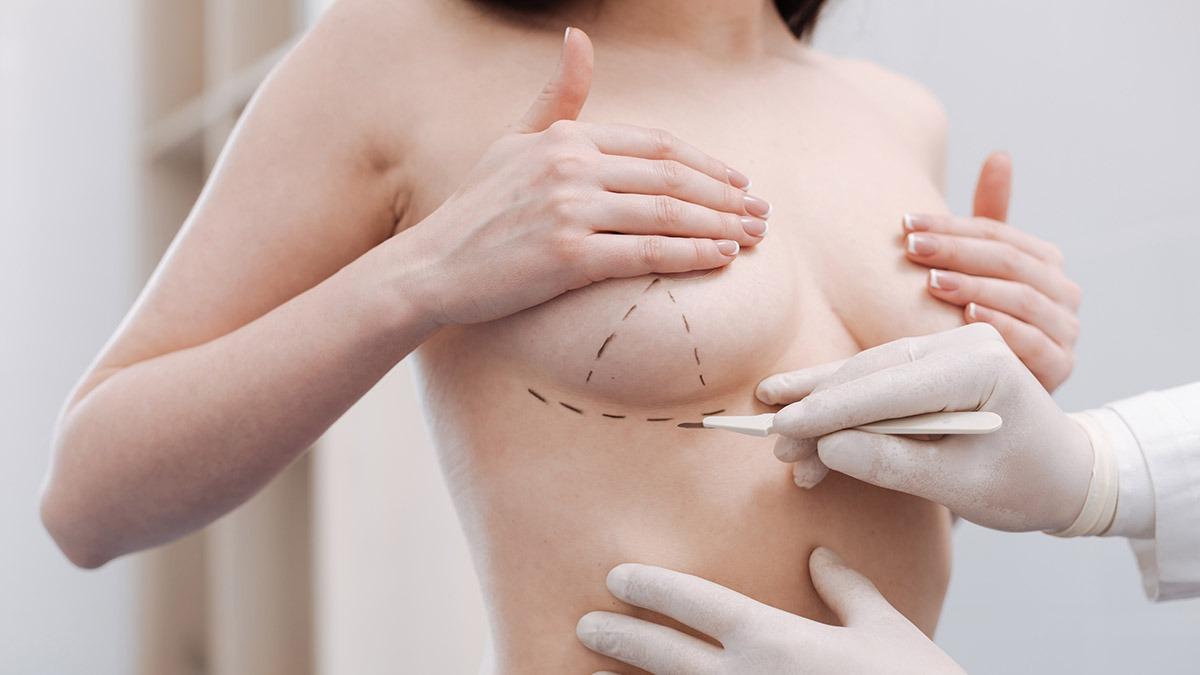
Understanding the recovery timeline can help patients prepare for nipple correction surgery and plan their daily activities accordingly. People considering Inverted nipple surgery Dubai often want to know how long healing takes, when discomfort improves, and when they can return to their usual routine. Although many patients recover without major difficulties, the exact timeline depends on the surgical technique, individual healing, and the surgeon's aftercare instructions.
Nipple correction surgery aims to improve the outward projection of an inverted nipple. Following the recommended recovery plan is important because the treated tissue needs time to heal and maintain its corrected position.
What Happens During the First 24 to 48 Hours?
The first two days after surgery are generally focused on protecting the treated area and managing any initial discomfort. Patients may notice mild swelling, tenderness, bruising, or increased sensitivity around the nipple.
A dressing or protective support may be applied to reduce friction and help protect the surgical site. Patients should follow their surgeon's instructions about keeping the dressing in place and maintaining hygiene.
Rest is important during this period. Light movement around the home may be comfortable, but strenuous activity and unnecessary pressure on the chest should be avoided. Pain relief should be taken only as directed by the healthcare provider.
Patients should contact their surgeon if they experience severe or worsening pain, significant bleeding, fever, spreading redness, or unusual changes in nipple colour.
Inverted Nipple Surgery Dubai: The First Week of Recovery
During the first week following Inverted Nipple Surgery Dubai, swelling and tenderness may gradually improve, although some discomfort can remain. The incision may still be healing, so protecting the area from friction and accidental impact is essential.
The surgeon may arrange an early follow-up appointment to examine the incision and assess the nipple's position. Depending on the technique used, patients may also receive instructions about dressings, stitches, or temporary support.
Some people can return to desk-based work or light daily activities within a short period, but this varies. Jobs involving heavy lifting, strenuous movement, or physical contact may require more time away from work.
Patients should not remove stitches or change their wound-care routine without medical advice. Following instructions carefully can help reduce avoidable complications.
Recovery During the Second Week
By the second week, some patients notice that tenderness and swelling have reduced. However, the healing process is not necessarily complete, and the incision may still require protection.
Depending on the surgeon's assessment, patients may gradually resume more normal daily activities. Exercise, heavy lifting, swimming, and activities that place pressure on the breast area may remain restricted until the surgeon confirms they are safe.
The nipple's appearance may also change as swelling settles. It is important not to judge the final result too early because tissue healing continues beyond the initial recovery period.
If symptoms become worse instead of improving, patients should contact their healthcare provider rather than assuming the changes are part of normal healing.
What to Expect Over the Following Weeks
During the following weeks, the incision continues to heal, and the nipple's appearance may become more stable. Any residual swelling or sensitivity usually improves gradually, although the timeline differs between patients.
The surgeon may assess the scar, nipple projection, and overall healing during follow-up visits. Patients should continue following advice about activity restrictions and scar care.
Some scars may initially appear pink or slightly raised before gradually becoming less noticeable. Scars do not always disappear completely, and their final appearance depends on individual healing and the surgical technique.
The corrected nipple may maintain its outward position, but recurrence is possible. The long-term result depends on factors such as the degree of inversion, tissue characteristics, and the technique used.
How Can You Support a Smooth Recovery?
Following your surgeon's instructions is the most important part of recovery. Keep the treated area clean as directed, protect the incision, and avoid unnecessary pressure or friction.
Wear comfortable clothing that does not rub against the surgical site. Use dressings or protective devices only as instructed, and avoid applying creams or other products until your surgeon confirms they are appropriate.
Maintain a balanced diet, stay hydrated, and avoid smoking or nicotine as advised by your healthcare professional because nicotine can interfere with wound healing.
Attend all recommended follow-up appointments, even if the area appears to be healing normally. These visits allow the surgeon to check progress and identify problems early.
When Can You Return to Exercise and Normal Activities?
The timing depends on the procedure and the type of activity. Light daily tasks may be possible relatively soon, while strenuous workouts, heavy lifting, and activities involving chest pressure may need to be delayed.
Patients should not use the absence of pain as the only sign that an activity is safe. The incision and underlying tissues may still be healing even when discomfort has improved.
Ask your surgeon for a personalised plan covering work, exercise, swimming, driving, and other activities relevant to your routine. Gradually returning to normal activity under professional guidance can help protect the surgical result.
Does Everyone Recover at the Same Speed?
No. Recovery varies depending on the severity of nipple inversion, the technique used, overall health, and the body's natural healing process. People who undergo additional breast procedures may need a different recovery schedule from those having isolated nipple correction.
Smoking, certain medical conditions, and problems affecting circulation or wound healing may also influence recovery. Patients should share relevant medical information with their surgeon before treatment.
If recovery takes longer than expected, the surgeon can assess whether the healing process is progressing appropriately. Individual advice is more reliable than comparing your recovery with another person's experience.
Final Thoughts
The recovery timeline for inverted nipple correction typically involves an initial period of rest, gradual improvement in discomfort, and continued healing over the following weeks. The exact schedule depends on the surgical technique and individual circumstances, so follow-up care is essential.
If you are considering Inverted Nipple Surgery Dubai, speak with a qualified plastic surgeon about your expected recovery, activity restrictions, and aftercare requirements. A personalised plan can help you prepare for treatment and support safe healing.

 English
 Arabic
 Spanish
 Portuguese
 Deutsch
 Turkish
 Dutch
 Italiano
 Russian
 Romaian
 Portuguese (Brazil)
 Greek
